How to Develop a 240–320 GSM Heavyweight T-Shirt
Written by Aimee Xiang
Founder of Kellogg Fashion
Focused on heavyweight apparel manufacturing, fabric engineering, garment development, quality control, and scalable production.
Introduction
Premium heavyweight T-shirts have become a core product for streetwear, lifestyle and premium fashion brands. However, creating a high-quality heavyweight T-shirt requires more than simply choosing a higher fabric weight.
Fabric composition, knitting density, garment structure, fit development, shrinkage control and finishing all affect the final result. Brands developing a custom heavyweight T-shirt collection should evaluate these elements during sampling before moving into bulk production.
What Defines a Premium Heavyweight T-Shirt?
A premium heavyweight T-shirt should provide structure, durability and a substantial hand feel without becoming excessively stiff or uncomfortable.
The final quality depends on several connected factors:
After the development sample is approved, all confirmed specifications should be recorded in the tech pack and production documents.
These normally include:
- Final measurement chart
- Approved fabric and color
- Grading rules
- Construction details
- Label and trim placement
- Print or embroidery specifications
- Packaging requirements
For premium apparel brands, these details must work together to create a consistent product rather than being evaluated separately.
Choosing the Right Fabric and GSM
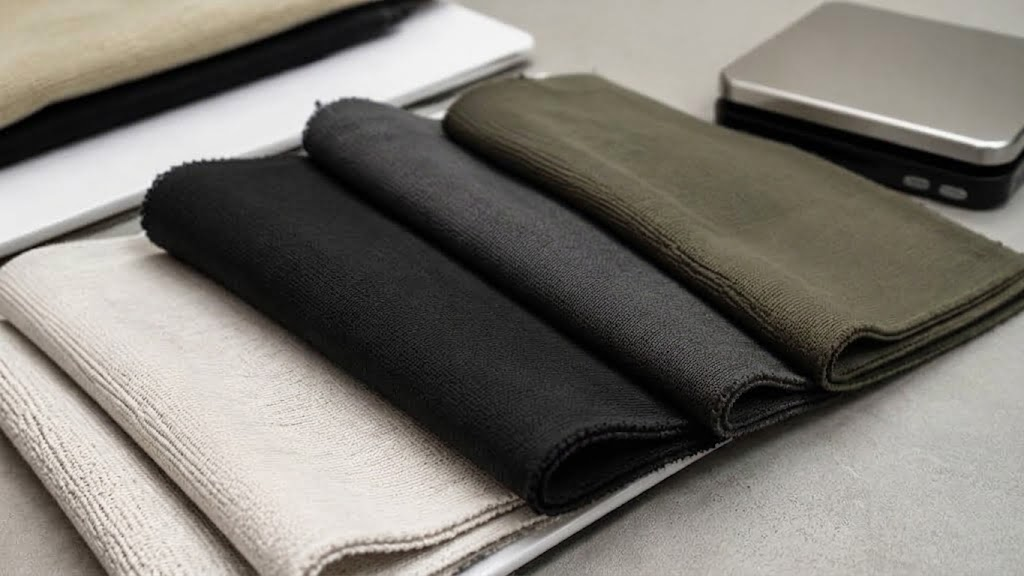
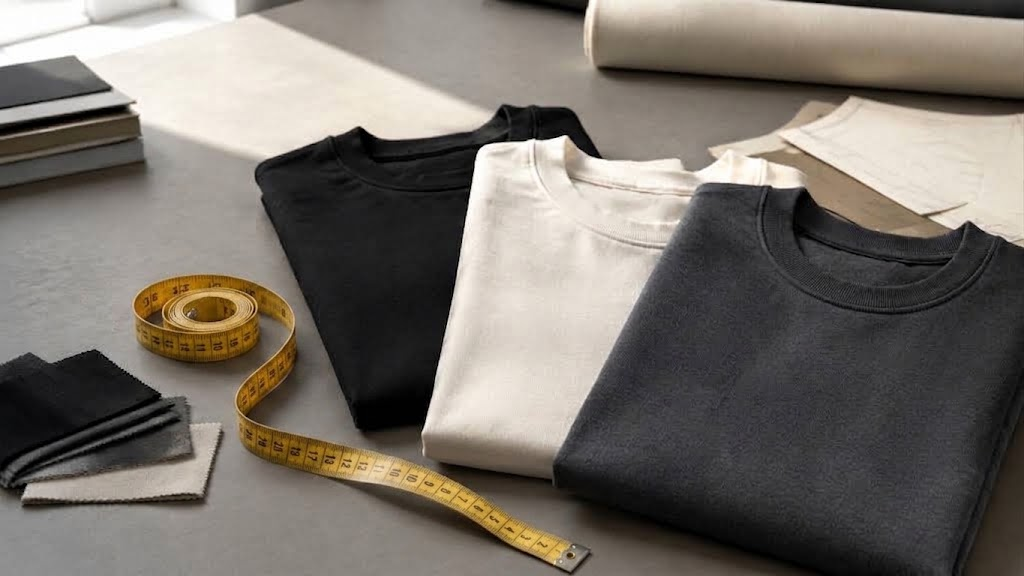
Fabric weight is normally measured in GSM—grams per square meter. Premium heavyweight T-shirts are commonly developed between 240 and 300 GSM.
240–260 GSM
This range provides a premium feel while retaining softness and natural movement. It is suitable for elevated everyday T-shirts, retail collections and relaxed silhouettes that require some drape.
280–300 GSM
This range creates a heavier, more structured garment. It is particularly suitable for oversized, boxy and streetwear-inspired fits where the T-shirt needs to maintain its shape.
However, GSM alone does not determine fabric quality. Cotton type, yarn thickness, knitting density and finishing also influence softness, stability and durability. Two fabrics with the same GSM can feel and perform very differently.
To compare these variables across heavyweight T-shirts, sweatshirts, hoodies and sweatpants, see our complete heavyweight fabric and GSM guide.
Combed cotton, compact-spun cotton and cotton-blend jersey are common options. The right choice should be based on the brand’s target hand feel, silhouette, price positioning and intended finishing. Custom heavyweight T-shirt manufacturer
Developing an Oversized or Boxy Fit
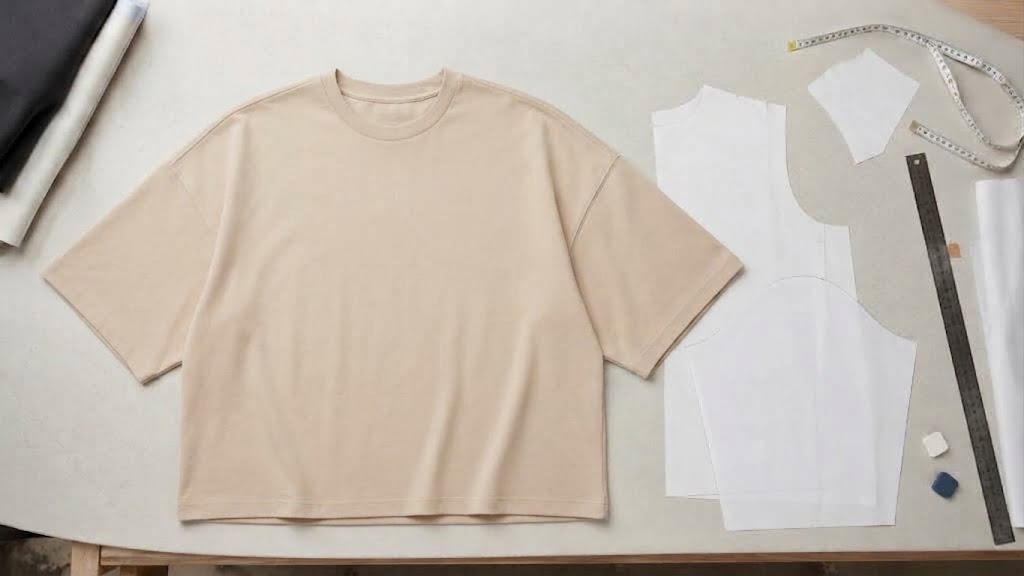
A premium oversized T-shirt should not be created by simply increasing every measurement of a standard T-shirt.
The pattern must balance:
- Shoulder width
- Chest width
- Body length
- Sleeve length and opening
- Armhole depth
- Neck opening
- Collar width
An oversized fit normally uses dropped shoulders and increased body width, while a boxy fit may use a shorter body length to create a more structured silhouette.
Small changes in shoulder width, sleeve angle or body length can significantly affect the appearance of the garment. For this reason, brands should provide a measurement chart, reference garment or clear fit direction during development. Custom apparel sampling and development →
Construction Details That Affect Quality
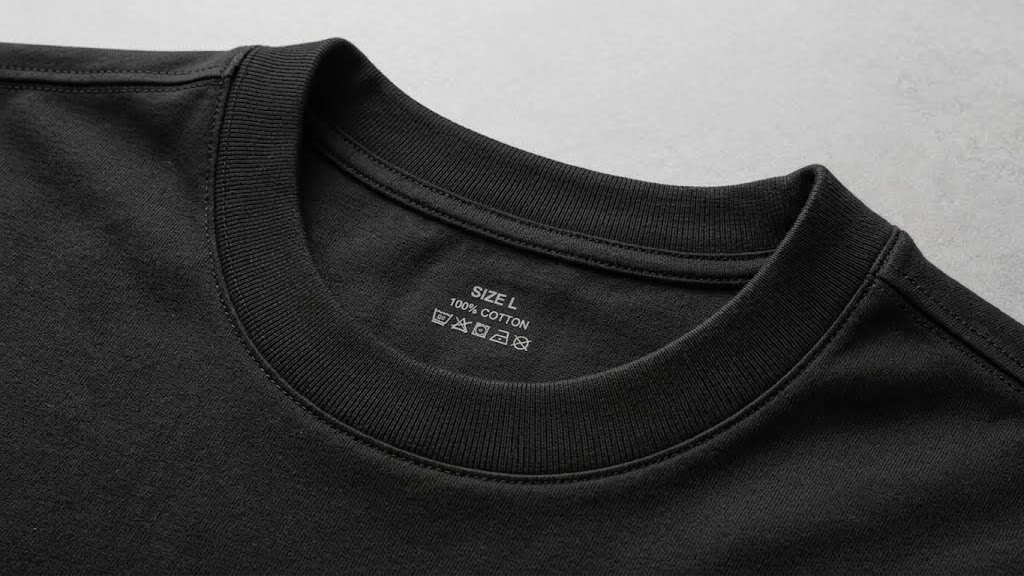
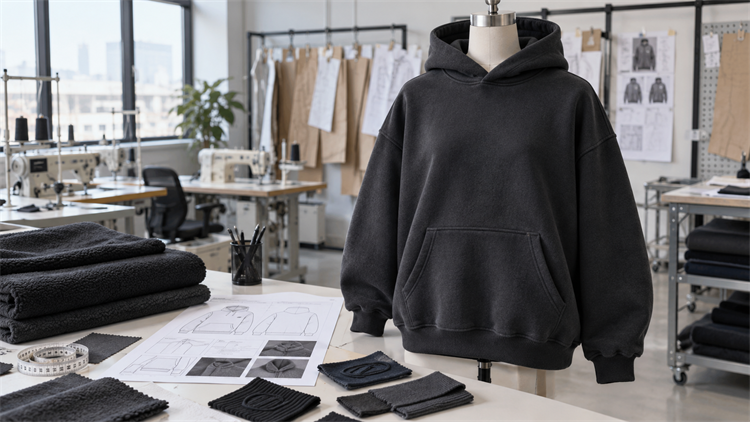
The collar is one of the most important areas of a heavyweight T-shirt. A collar that is too soft may lose its shape, while one that is too heavy can feel uncomfortable or distort the neckline.
Important specifications include:
- Rib composition and weight
- Collar width and stretch recovery
- Neck tape construction
- Shoulder reinforcement
- Stitch type and stitch density
- Seam allowance and finishing
The collar rib should be selected according to the weight and structure of the main fabric. Shoulder tape or reinforcement can also help the garment maintain its shape after repeated wear and washing.
These details should be confirmed during sampling rather than left until bulk production.
Printing, Embroidery and Garment Finishing
Heavyweight cotton jersey can support a wide range of customization techniques, including:
- Screen printing
- Puff printing
- High-density printing
- Embroidery
- Garment dyeing
- Acid or vintage washing
- Enzyme washing
The decoration method should be considered when selecting the fabric. Dense embroidery may require reinforcement, while garment washing can affect color, measurements and surface texture.
Printing and embroidery samples should be tested on the actual production fabric whenever possible. This allows the brand to evaluate color accuracy, placement, surface quality and wash performance before approval. Custom embroidery and printing →
Sampling Before Bulk Production
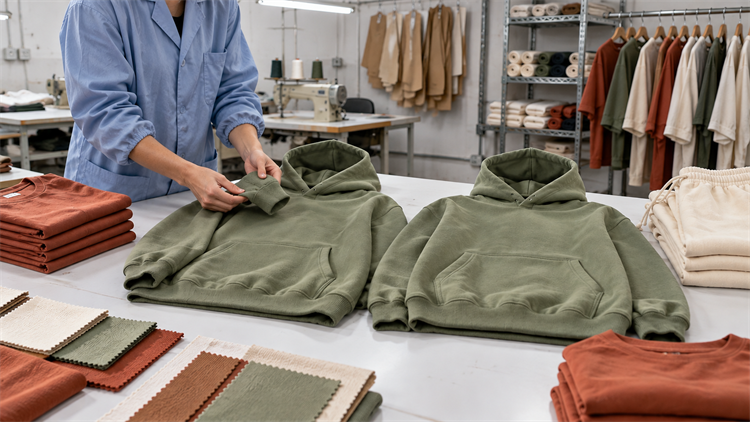
Sampling is the stage where the brand and manufacturer confirm whether the design can be reproduced consistently.
A development sample should be evaluated for:
- Fabric weight and composition
- Hand feel and fabric structure
- Garment measurements
- Overall fit and silhouette
- Collar shape and recovery
- Print or embroidery quality
- Shrinkage after washing
- Color and finishing
If adjustments are required, the pattern, fabric or construction should be revised before final approval.
Brands should avoid approving a sample based only on appearance. Measurement tolerances, wash performance and construction details must also be reviewed. why bulk production quality can differ from approved samples →
Moving From Approved Sample to Bulk Production
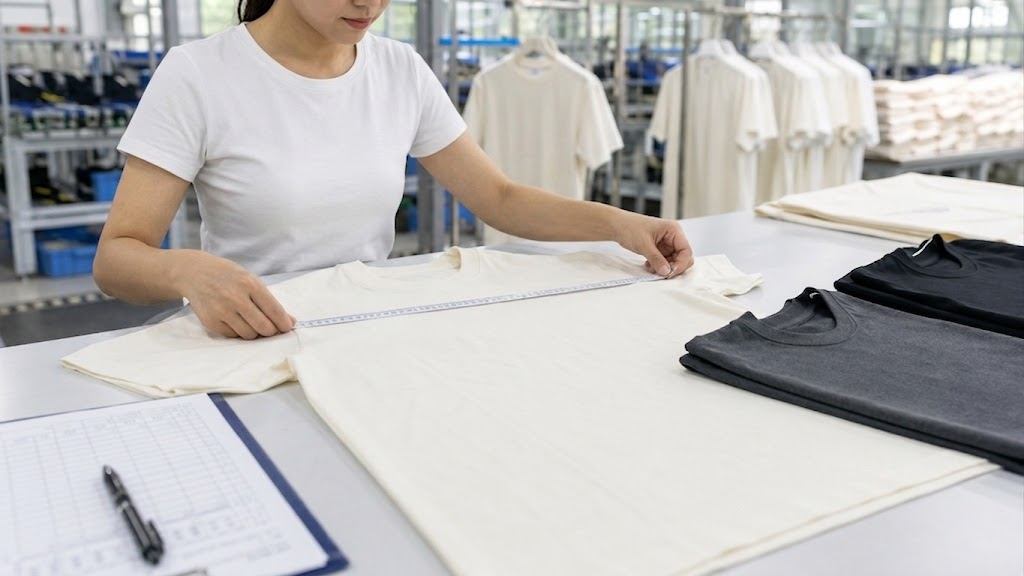
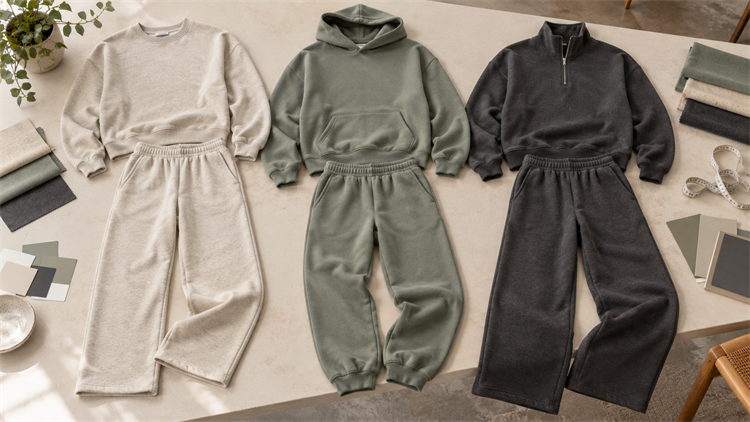
After the development sample is approved, all confirmed specifications should be recorded in the tech pack and production documents.For a practical example of how T-shirts can be developed alongside hoodies, sweatshirts and sweatpants, see our premium heavyweight lifestyle collection case study.
These normally include:
- Final measurement chart
- Approved fabric and color
- Grading rules
- Construction details
- Label and trim placement
- Print or embroidery specifications
- Packaging requirements
Depending on the project, a pre-production sample or size set may also be required before bulk cutting begins. See our garment sample-to-bulk consistency case study for a closer look at how approved measurements, bulk materials and in-line inspections are connected during production.
During production, the manufacturer should control fabric consistency, cutting accuracy, measurements, stitching, decoration and finishing. Final inspections help verify that the completed order matches the approved standards. how clothing manufacturers control quality in bulk production→
Working With a Heavyweight T-Shirt Manufacturer
A reliable manufacturing partner should understand both the technical requirements and the brand’s intended product positioning.
The manufacturer should be able to support fabric sourcing, pattern development, sampling, custom colors, labels, printing, embroidery and bulk production. Clear communication during development reduces unnecessary revisions and helps maintain consistency when the style moves into larger production quantities.
KELLOGG specializes in premium heavyweight and custom-developed apparel for fashion brands, private-label businesses and wholesalers. We support heavyweight T-shirt development from fabric selection and custom fitting through sampling and bulk production. How to choose the right clothing manufacturer for a premium fashion brand →
If you are developing a premium heavyweight T-shirt collection, contact KELLOGG with your tech pack, reference images, target GSM and estimated order quantity to discuss sampling and production.
Frequently Asked Questions
Q1. What GSM is best for a premium heavyweight T-shirt?
A: Premium heavyweight T-shirts are commonly made between 240 and 300 GSM. Fabrics around 240–260 GSM provide a substantial feel with more natural drape, while 280–300 GSM fabrics create a heavier and more structured silhouette.
Q2. Is 300 GSM too heavy for a T-shirt?
A: A 300 GSM fabric is suitable for premium oversized, boxy and streetwear T-shirts. However, the final comfort depends on the yarn, knitting density, finishing and garment construction—not only the fabric weight.
Q3. What fabric is commonly used for heavyweight T-shirts?
A: Combed cotton jersey and compact-spun cotton jersey are commonly used for premium heavyweight T-shirts. Cotton blends can also be developed when the brand requires improved stability, stretch or specific performance characteristics.
Q4. What is the difference between an oversized and a boxy T-shirt?
A: An oversized T-shirt normally has wider shoulders, a larger chest and a relaxed overall silhouette. A boxy T-shirt also has a wide body but usually features a shorter body length and more structured proportions.
Q5. Can a manufacturer develop a custom T-shirt fit?
A:Yes. A custom fit can be developed from a tech pack, measurement chart, reference garment or design images. Shoulder width, body length, sleeve shape, chest width and collar proportions can all be adjusted during sampling.
Q6. Why is collar construction important for heavyweight T-shirts?
A: The collar affects both appearance and durability. Its rib weight, width, elasticity and recovery should match the main fabric. An unsuitable collar may stretch, lose its shape or distort the neckline after washing.
Q7. Can heavyweight T-shirts be garment dyed or washed?
A: Yes. Heavyweight cotton T-shirts can be garment dyed, enzyme washed, acid washed or given a vintage finish. Because these processes may affect color, measurements and fabric texture, they should be tested during sampling.
Q8. Are heavyweight T-shirts suitable for printing and embroidery?
A: Yes. Their dense fabric structure generally supports screen printing, puff printing, high-density printing and embroidery. The decoration method should be tested on the selected production fabric to confirm appearance and wash performance.
Q9. What should brands check when approving a T-shirt sample?
A: Brands should review the fabric, GSM, hand feel, measurements, fit, collar construction, stitching, decoration placement, shrinkage and colorfastness. The sample should also be evaluated after washing before bulk production approval.
Q10. How can brands maintain consistency during bulk production?
A: All approved specifications should be recorded in the final tech pack, including fabric, measurements, construction, colors, decorations, labels and packaging. Fabric inspections, in-line quality control and final inspections help keep bulk production consistent with the approved sample.
Share this article