What Problems We Can Solve
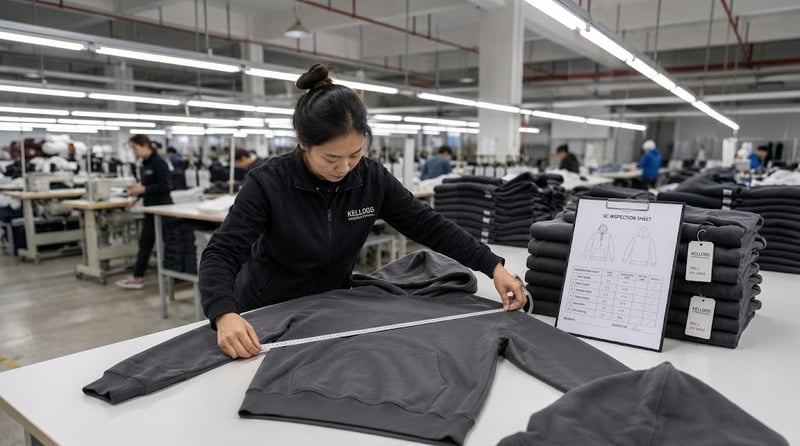
1. Reduce Shrinkage After Washing
- Many heavyweight garments lose their original fit after washing due to unstable fabric tension and poor pre-shrinking processes.
- We control shrinkage through fabric relaxation, wash testing, and pattern compensation, helping brands maintain consistent sizing, better customer satisfaction, and fewer return issues after bulk production.
- Why Heavyweight Hoodies Shrink After Washing?: Read blog...
2. Prevent Fabric Twisting and Seam Distortion
- Oversized t-shirts and hoodies often twist after washing because of unstable yarn construction and incorrect fabric alignment.
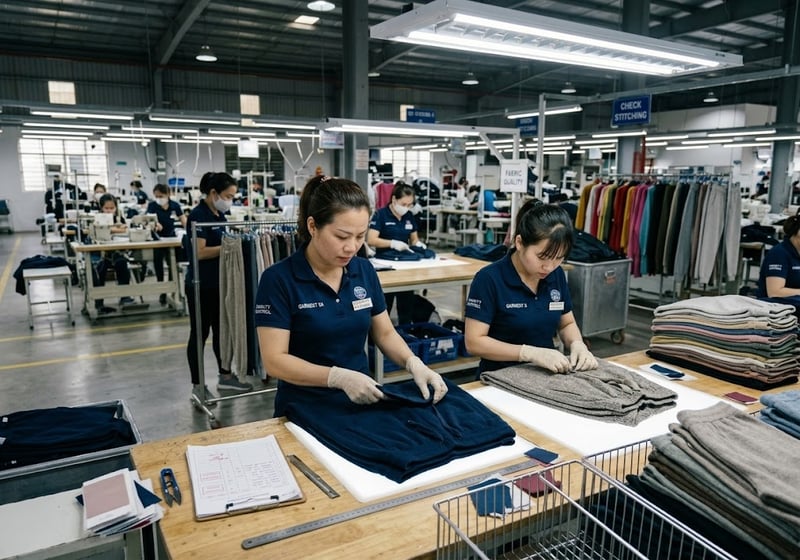
- We reduce garment torque through controlled grain alignment, stable fabric engineering, and wash stability testing, ensuring cleaner side seams, balanced silhouettes, and better long-term garment structure.
3. Improve Color Fastness and Reduce Fading
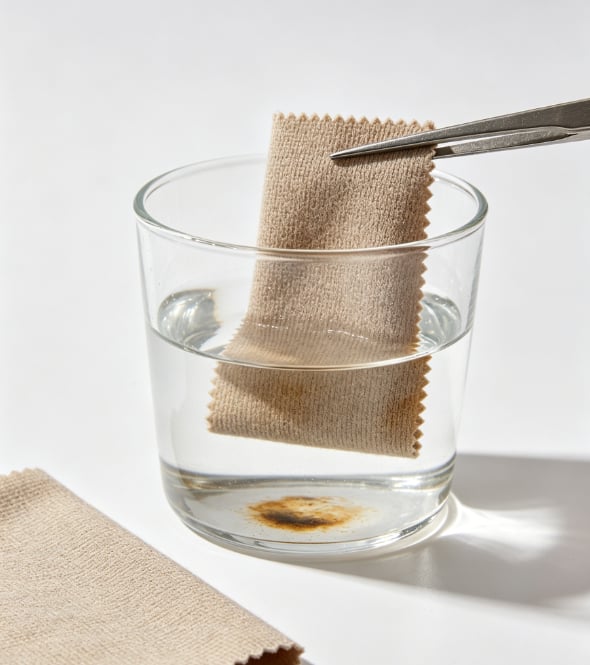
- Poor dyeing and uncontrolled wash processes can cause fading, color bleeding, and uneven garment appearance.
- We use reactive dye systems, controlled wash development, and color fastness testing to improve color durability, helping premium streetwear brands maintain a cleaner, richer, and longer-lasting product appearance.
4. Maintain Oversized Fit and Shape Stability
- Heavyweight hoodies and oversized garments can easily lose shape without proper construction and rib support.
- We develop engineered oversized patterns, reinforced seam structures, and balanced rib systems to maintain shoulder shape, hood structure, and overall garment stability after repeated washing and daily wear.
- Streetwear Fit Guide: Explore

How Kellogg Controls Shrinkage
Supply Chain Planning
- Kellogg uses KPS to align weekly production with real-time demand.
- This active optimization has successfully cut supply chain waste by 8%.
Factory Automation
- Advanced robotic packaging lines increase facility throughout by 20%.
- This precision setup prevents material damage and manufacturing errors.
Waste Commitments
- Under its Better Days Promise, Kellogg targets a 50% food waste reduction.
- These active upgrades secure a $30 million cost savings.

How Kellogg Improves Color Fastness
Ink Standardization
- Kellogg utilizes specific Pantone 206 C spot colors.
- This strict matching limits deviation across diverse packaging substrates.
Digital Proofing
- The company implements automated X-Rite spectrophotometers.
- These tools scan packaging runs to ensure color variance remains remains below (Delta E)=2.0.
Lightfastness Testing
- Printed boxes undergo Xenon arc exposure for 48 hours.
- This process guarantees 100% brand color stability under supermarket lighting.
Heavyweight Streetwear Manufacturing Authority
Kellogg expertly crafts premium 400–600 GSM heavyweight streetwears.
FAQ- Find answers to common questions here