How We Control Fabric Quality in Heavyweight Hoodie Manufacturing
Written by Aimee Xiang
Founder of Kellogg Fashion
Focused on heavyweight apparel manufacturing, fabric engineering, garment development, quality control, and scalable production.
Introduction
In premium streetwear manufacturing, fabric quality is not only about softness or weight. It directly affects garment structure, fit consistency, shrinkage performance, and long-term durability.
For heavyweight hoodies and oversized silhouettes, controlling fabric stability is one of the most important steps during production.
At KELLOGG, we focus on fabric control throughout the entire manufacturing process — from yarn selection to final garment inspection.Can review How We Developed a 580GSM Heavyweight Hoodie for an Australian Streetwear Brand:Explore
1.Fabric Weight Consistency (GSM Control)
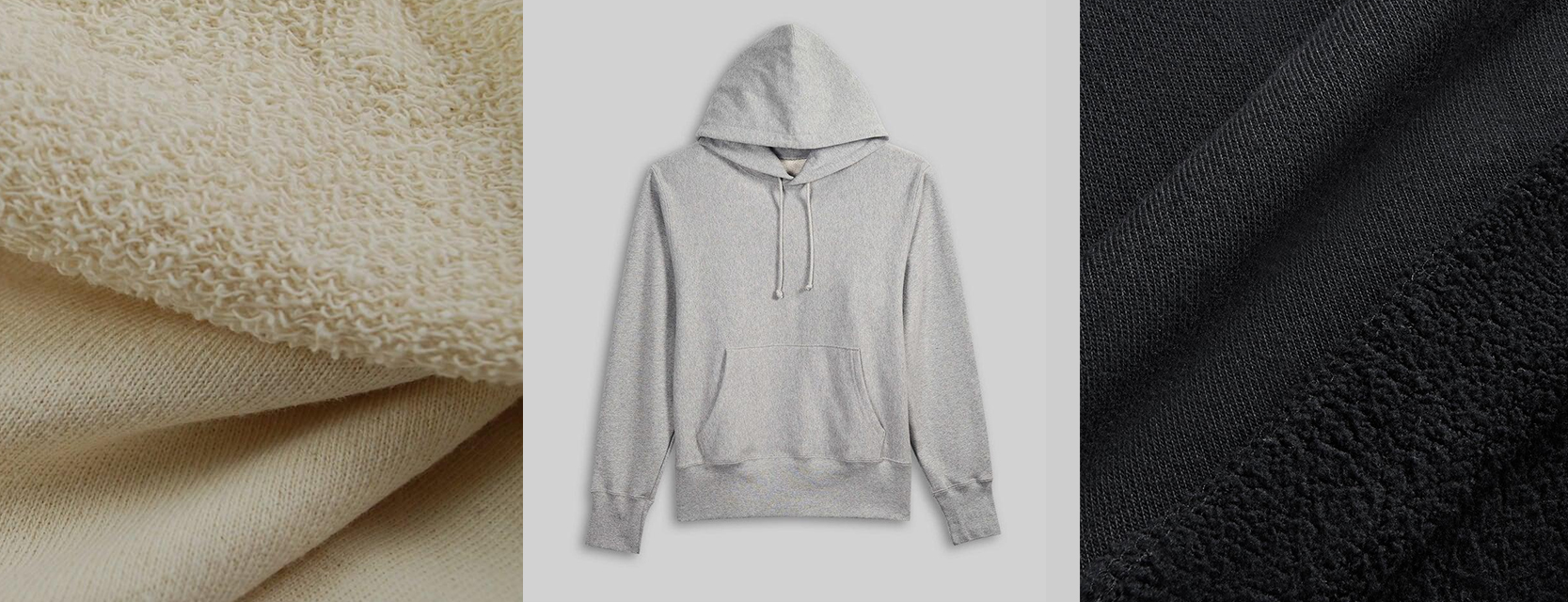 Fabric variation is also one of the main factors affecting sample-to-bulk production consistency, particularly when larger orders require multiple fabric rolls or production lots.
Heavyweight hoodies typically use fabrics between 380gsm and 500gsm. However, unstable GSM can cause fit inconsistency between production batches.To maintain consistency, we carefully monitor:
- Yarn count and knitting density
- Fabric tension during knitting
- Washing and drying shrinkage rates
- Final fabric weight testing before cutting
Stable GSM helps maintain the oversized silhouette and structure expected in modern streetwear.Our heavyweight hoodies are crafted to last.Learn how we choose GSM) to ensure consistent fit and durability. Heavyweight hoodie GSM selection
2.Shrinkage Control Before Production
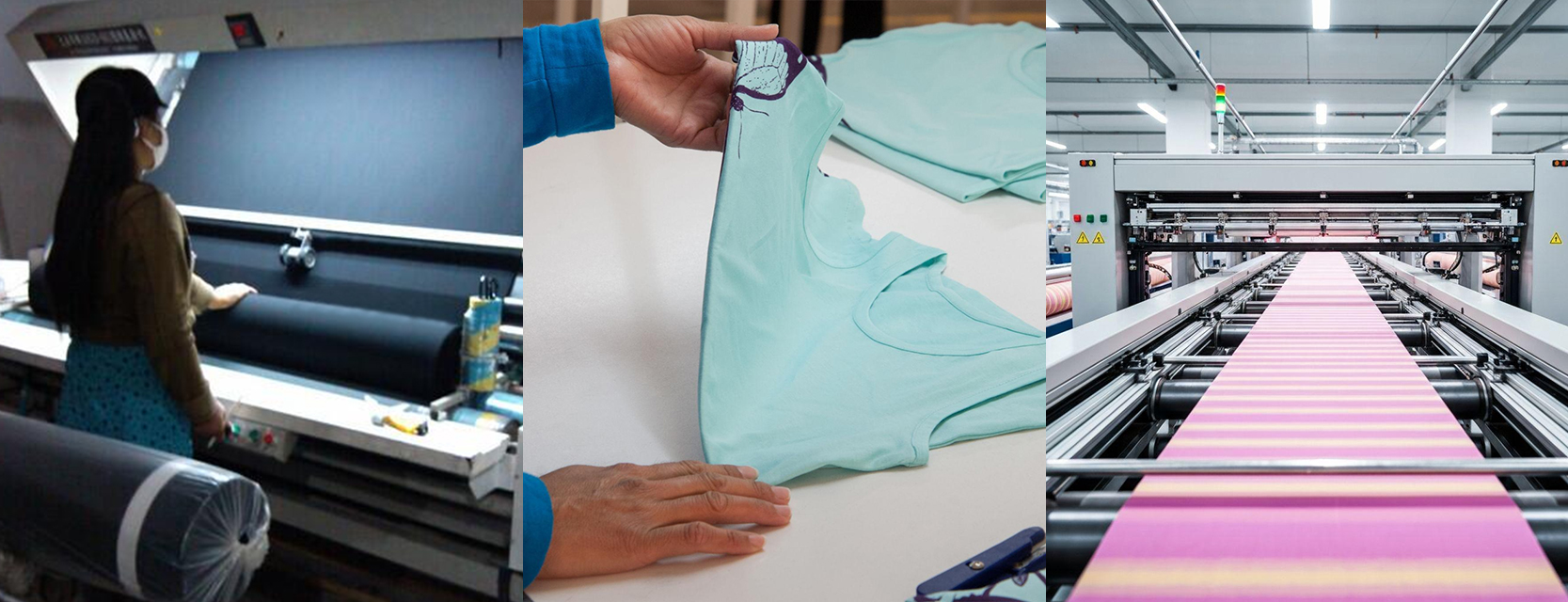 Shrinkage is one of the most common quality problems in hoodie manufacturing.
Without proper pre-treatment, garments may become shorter, twisted, or tighter after washing. To reduce shrinkage risks, we apply:
Shrinkage is one of the most common quality problems in hoodie manufacturing.
Without proper pre-treatment, garments may become shorter, twisted, or tighter after washing. To reduce shrinkage risks, we apply:
- Pre-shrinking processes
- Fabric relaxation before cutting
- Wash testing before bulk production
- Controlled heat setting during finishing
This is especially important for brushed fleece and heavyweight French terry fabrics.Before cutting, every batch goes through strict inspection. You can read more about our methods for maintaining fabric shrinkege in our dedicated blog:Explore
3.Surface Stability & Anti-Pilling Control
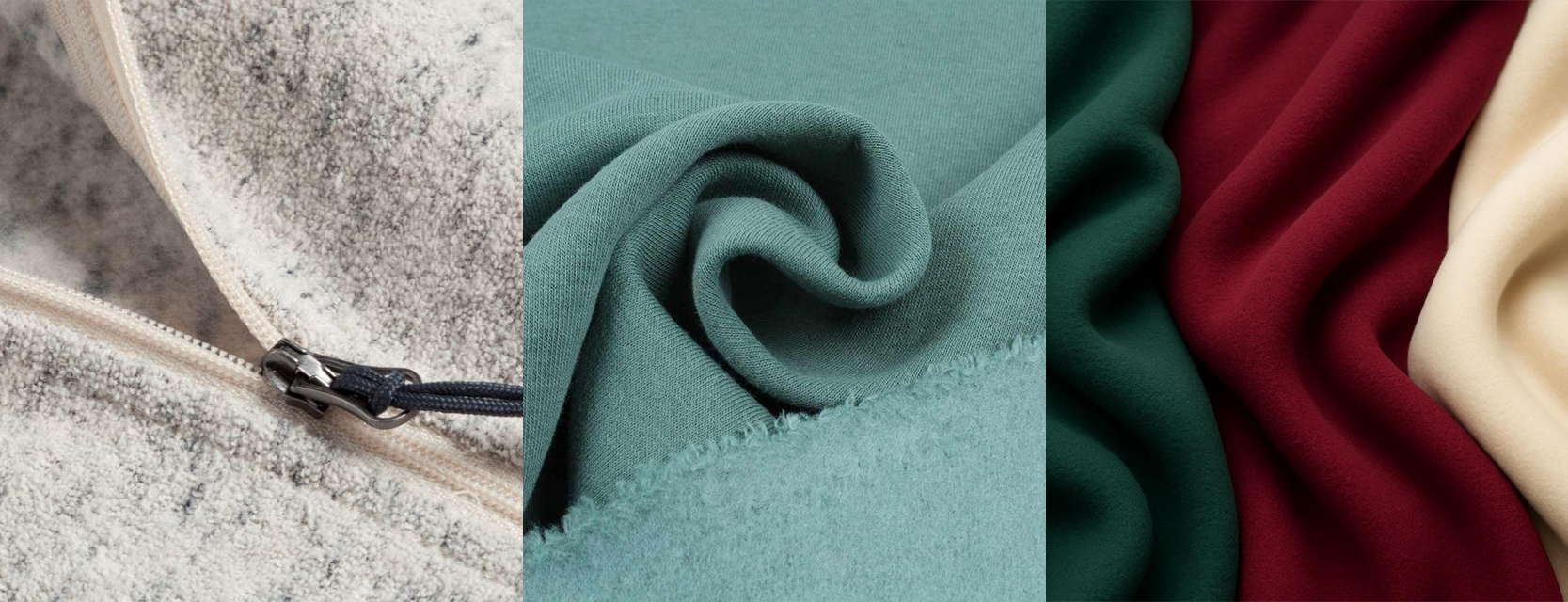 For brushed fleece hoodies, surface appearance strongly affects perceived quality.
Low-quality brushing processes may cause:
For brushed fleece hoodies, surface appearance strongly affects perceived quality.
Low-quality brushing processes may cause:
- Excessive pilling
- Fiber shedding
- Uneven surface texture
We work closely with fabric mills to improve surface stability through:
- Controlled brushing depth
- Compact yarn structures
- Enzyme washing optimization
- Surface testing after washing
This helps maintain a cleaner and more premium appearance over time.
4.Color Consistency Across Production
Color inconsistency can become a major issue for fashion brands, especially for neutral tones like washed black, faded grey, or vintage brown. To improve color consistency, we control:
- Dyeing temperature and timing
- Batch-to-batch lab dip approval
- Fabric washing consistency
- Final garment inspection under controlled lighting
This helps reduce visible shade variation in bulk production.
5.Fabric Inspection Before Cutting
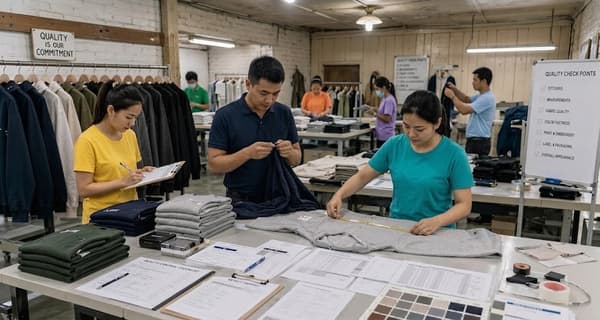
Before production begins, all fabrics go through inspection procedures to identify:
- Knitting defects
- Oil stains
- Color variation
- Fabric holes
- Uneven texture
This process helps reduce production waste and improves overall garment consistency.Fabric inspection and stability testing take place before cutting and are an important part of the overall clothing production process and lead time.
Identifying fabric problems before cutting helps reduce rework and avoid fabric-related production delays later in manufacturing.
Controlling GSM, shrinkage, shade and surface consistency becomes even more important for maintaining fabric consistency at scale.
Final Thoughts
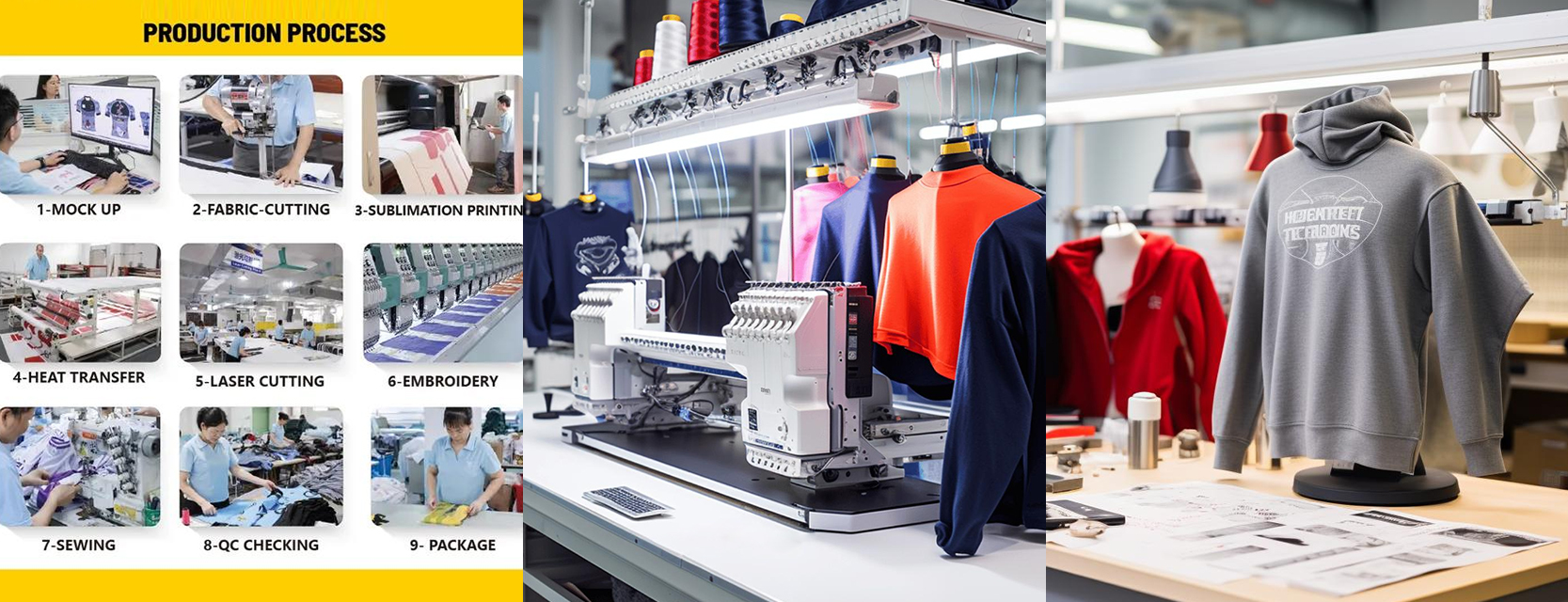
In modern streetwear manufacturing, fabric quality control is no longer optional. For oversized hoodies and heavyweight garments, stable fabric performance directly influences silhouette, customer satisfaction, and brand reputation. By controlling shrinkage, surface texture, GSM stability, and color consistency, manufacturers can create products that perform consistently across every production batch.
At KELLOGG, we believe that strong garment construction always begins with stable fabric control.Clothing manufacturer quality control
Share this article