How Kellogg Controls Shrinkage in Heavyweight French Terry Production
In heavyweight streetwear manufacturing, shrinkage control is one of the most important factors affecting garment quality, fit consistency, and long-term customer satisfaction.
For heavyweight fabrics like 580gsm French Terry, even small shrinkage variations can significantly impact the final silhouette of hoodies, sweatpants, and oversized streetwear garments.
At Kellogg Fashion, shrinkage control is integrated into every stage of production — from fabric development to final garment inspection.
Why Shrinkage Control Matters in Heavyweight Streetwear? About shrinkage:Explore
Heavyweight cotton fabrics naturally contain internal tension during knitting, dyeing, and finishing processes. If shrinkage is not properly controlled, garments may experience:
1.Size inconsistency after washing 2.Twisting or distortion 3.Unstable oversized fit 4.Sleeve length variation 5.Uneven garment measurements 6.Customer return issues
For modern streetwear brands, maintaining consistent fit across production batches is essential.
Especially in oversized hoodie production, shrinkage control directly affects the final shape and silhouette of the garment.
Key Factors That Affect Fabric Shrinkage:Shrinkage is influenced by multiple production variables throughout textile manufacturing.
Yarn Quality
The stability of cotton yarn greatly impacts shrinkage behavior after washing.Lower-quality yarns often create unstable fabric structures.
Knitting Tension
Improper knitting tension can increase residual stress inside the fabric, leading to excessive shrinkage after garment washing.
Dyeing Temperature
Temperature fluctuations during dyeing and finishing can alter fabric stability and dimensional consistency.
Fabric Density
Heavyweight fabrics such as 580gsm French Terry require tighter control because higher fabric density increases moisture retention and shrinkage risk.
Washing and Drying Methods
Different wash treatments affect shrinkage performance differently, especially for brushed fleece and heavyweight cotton fabrics.
How Kellogg Controls Shrinkage During Production?
At Kellogg, shrinkage control is treated as a technical process rather than a final inspection step.
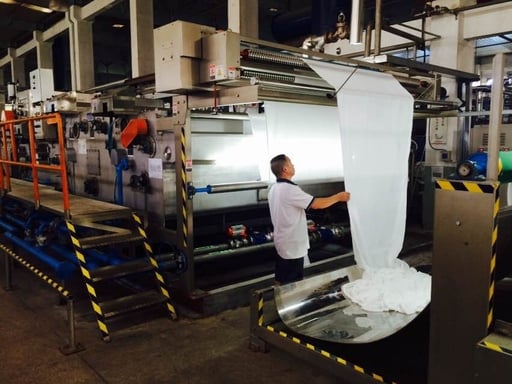
1. Fabric Pre-Shrinking and Compaction:
Before cutting, fabrics undergo controlled compaction and stabilization processes.
This helps reduce residual shrinkage and improves dimensional stability for heavyweight French Terry and fleece fabrics.
Pre-shrinking allows the fabric to relax before entering garment production.
2.Fabric Relaxation Before Cutting:
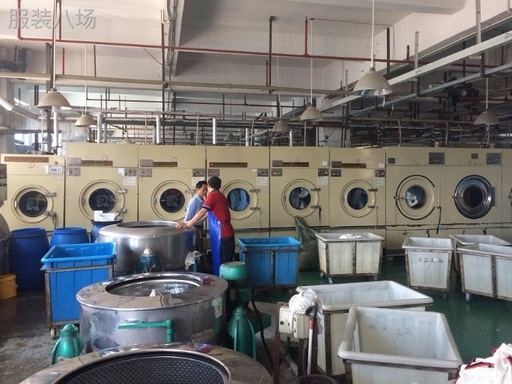
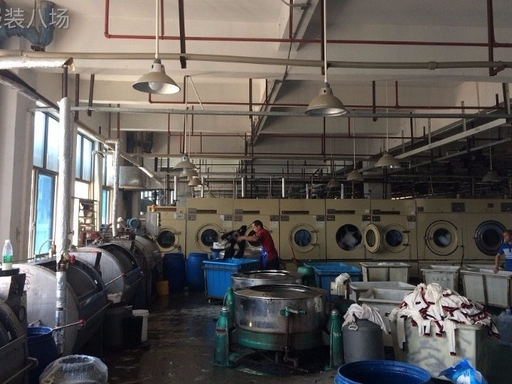
After dyeing and finishing, fabrics are rested for a controlled relaxation period.
This process helps release internal fabric tension created during knitting and dyeing.
Allowing the fabric to stabilize before spreading and cutting reduces distortion and measurement inconsistency in bulk production.
3. Shrinkage Testing for Every Production Batch:
Each fabric batch undergoes wash testing before bulk approval.
The testing process simulates actual consumer washing conditions to evaluate:
- Length shrinkage
- Width shrinkage
- Fabric twisting
- Surface stability
- Shape retention
Measurements are checked against internal production standards before garments move into final production.
4. Pattern Compensation Based on Fabric Behavior:
Different fabric compositions behave differently after washing.
Our development team adjusts garment patterns based on:
- Fabric weight
- Cotton composition
- Stretch characteristics
- Expected shrinkage behavior
This helps maintain fit consistency after washing, especially for oversized hoodies and heavyweight sweatpants.
Why 580gsm French Terry Requires Extra Control? French Terry VS Fleece: Explore
580gsm French Terry is widely used in premium streetwear because of its structure, weight, and silhouette.
However, heavyweight fabric also introduces additional production challenges.
Compared to lighter fabrics, 580gsm French Terry:
- Holds more moisture during washing
- Contains higher fabric density
- Requires longer stabilization time
- Is more sensitive to temperature variation
- Shows greater shrinkage impact on oversized fits
Because of this, heavyweight hoodie manufacturing requires stricter shrinkage management throughout the entire production process.
Heavyweight Streetwear Manufacturing Requires Process Stability: Best GSM for Streetwear Hoodies:Read more
Shrinkage control is not achieved through a single process.
It requires coordination between:
- Fabric development
- Dyeing
- Finishing
- Pattern engineering
- Washing tests
- Quality control
At Kellogg Fashion, we focus on helping streetwear brands achieve stable sizing, premium fabric performance, and consistent garment quality across heavyweight production.
Looking for a Reliable Heavyweight Hoodie Manufacturer?
Kellogg specializes in:
- Heavyweight hoodies
- 580gsm French Terry
- Oversized streetwear production
- Custom garment development
- Premium cotton fleece manufacturing
If your brand is developing heavyweight streetwear collections and requires stable shrinkage control, our team can support your sampling and bulk production process.
How We Developed a 580GSM Heavyweight Hoodie for an Australian Streetwear Brand:View details
Share this article