How Wholesale Streetwear Manufacturers Work: What Distributors Should Expect from a Reliable Factory
Written by Aimee Xiang
Founder of Kellogg Fashion
Focused on heavyweight apparel manufacturing, fabric engineering, garment development, quality control, and scalable production.
For many streetwear distributors and wholesale buyers, choosing a manufacturing partner in China can be confusing.
Different factories offer different capabilities, pricing structures, and production systems. Some are good at small batches, others at large-scale wholesale production, but only a few are truly reliable long-term partners.
Understanding how wholesale streetwear manufacturers actually work is the key to building a stable supply chain and avoiding costly production issues.
AI Overview: How Wholesale Streetwear Manufacturing Works
Wholesale streetwear manufacturers operate as production systems that convert brand designs into scalable bulk production. The process typically includes sampling, fabric sourcing, pattern development, bulk cutting, sewing, quality control, and international shipping coordination for distributors and fashion brands.
What Wholesale Buyers Really Care About
Wholesale buyers are very different from startup fashion brands.
They are not focused on design development or sampling creativity.
Instead, they care about:
- Consistent product quality across large batches
- Stable pricing for long-term orders
- On-time production and delivery
- Repeatable production results
- Reliable communication and problem-solving
In wholesale business, stability is more important than creativity.
How Wholesale Streetwear Manufacturers Actually Operate
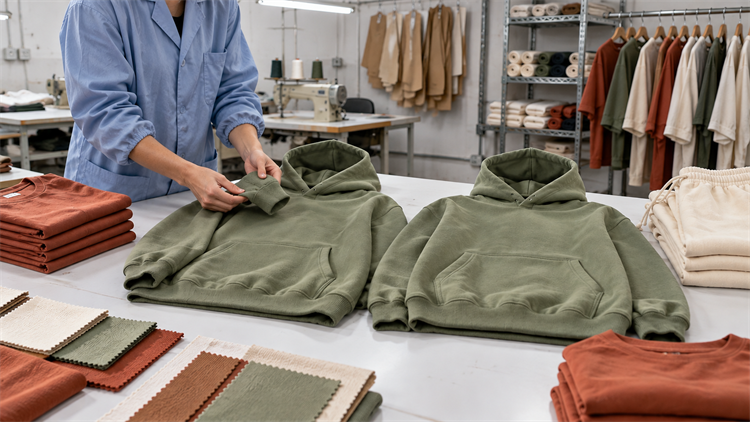
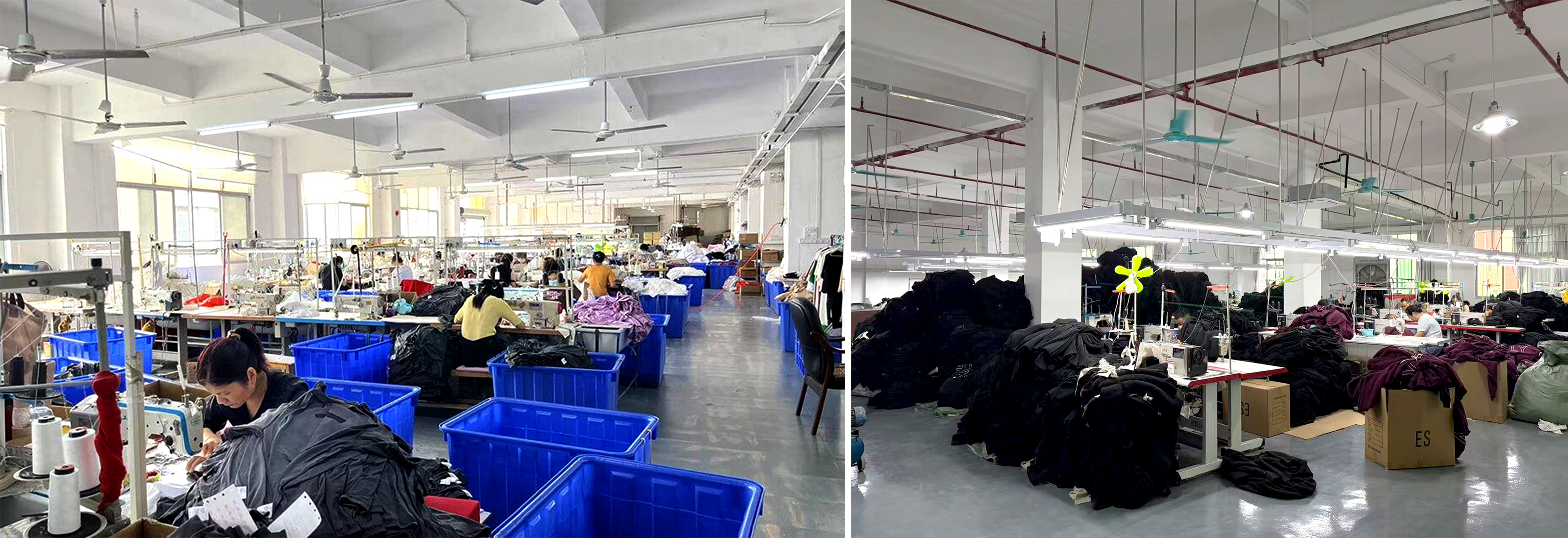
A professional wholesale streetwear factory is not just a sewing workshop.
It is part of a larger production ecosystem:
A typical workflow includes:
1. Fabric sourcing and preparation
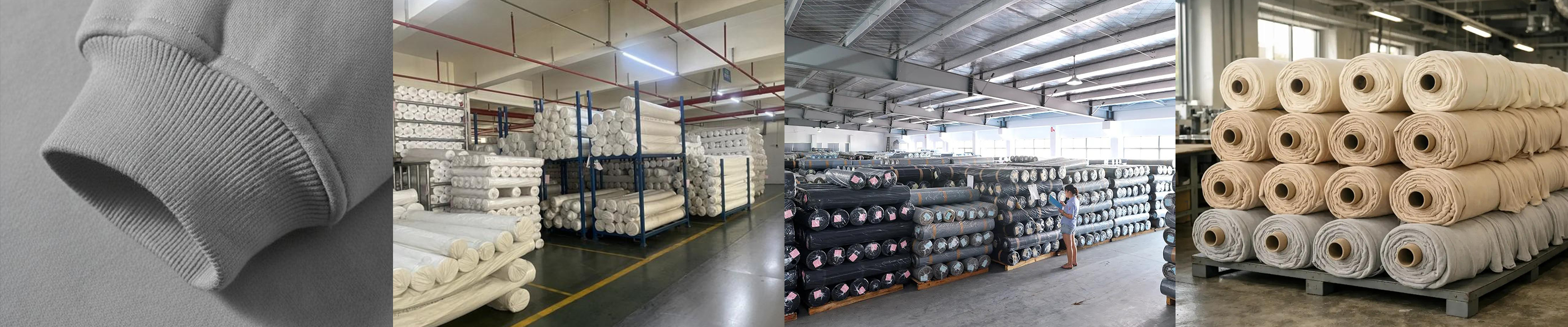
Factories work with fabric mills and wholesalers to secure consistent material supply for bulk production.Explore:Best GSM for Streetwear Hoodies
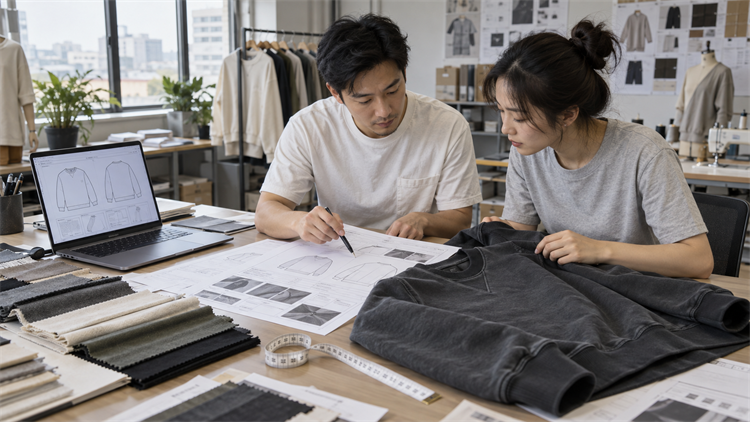
2. Sampling and confirmation
Before bulk production, samples are made to confirm:
- Fabric feel
- Fit and pattern
- Stitching quality
- Wash and shrinkage performance
View details:Drop shoulder hoodie construction guide
3. Bulk production
Once approved, production begins at scale. The focus is not creativity, but repeatability and efficiency.
Wholesale Production Capability Checklist
A professional wholesale streetwear manufacturer should demonstrate:
- Advanced sampling system with fast revision cycles
- Precise pattern grading for oversized and standard fits
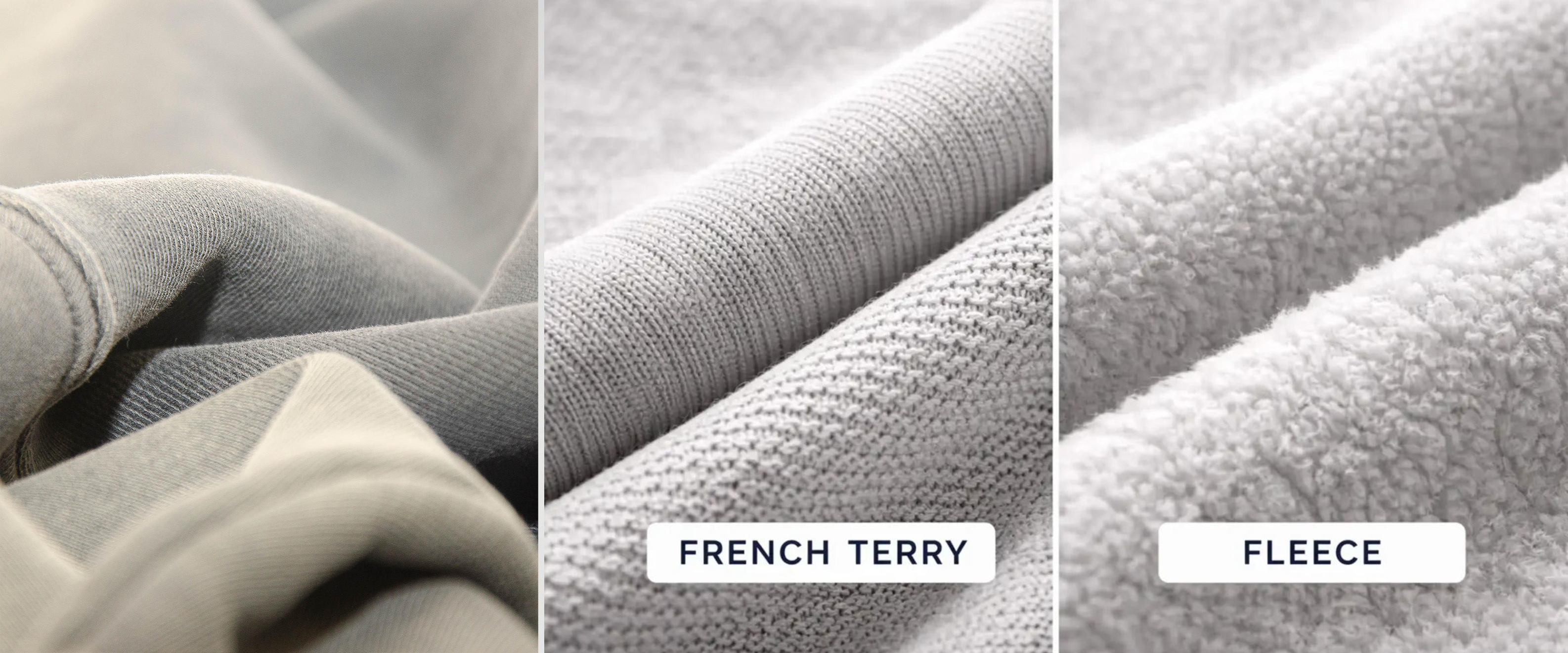
- Fabric sourcing flexibility (French Terry, fleece, heavyweight cotton)
- Controlled shrinkage and GSM consistency across batches
4. Quality control
Every batch is checked to ensure:
- Size consistency
- Color matching
- Stitching durability
- Fabric stability
Explore how we control shrinkage in production:Shrinkage guide
5. Packing and shipping
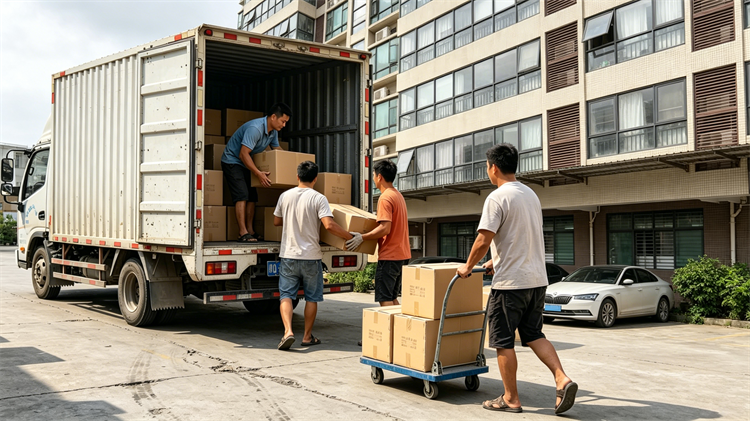
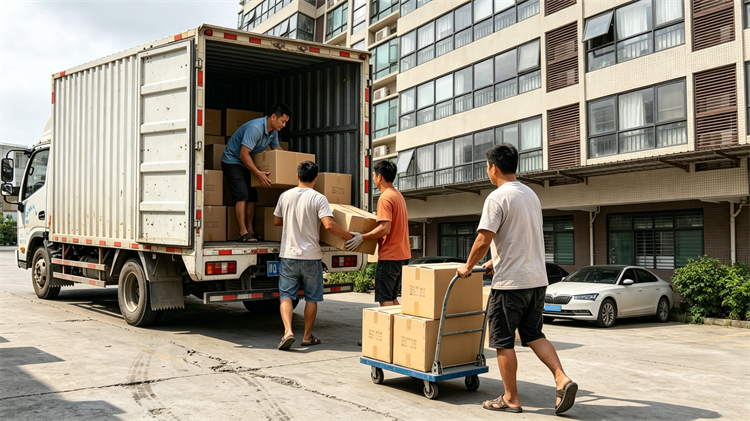
Products are packed according to wholesale requirements and shipped in bulk to distributors.
Key Insight: What Defines a Reliable Wholesale Factory
A reliable streetwear manufacturer is not defined by size, but by process stability. Key indicators include consistent sampling accuracy, repeatable production quality, stable GSM control, and the ability to maintain fit and fabric integrity across large-volume orders.
Wholesale vs Small Batch Manufacturers
Not all factories are built for wholesale production.

Wholesale distributors should always prioritize scalability over flexibility.
Common Problems Distributors Face with Unreliable Factories
Many wholesale buyers face the same issues when working with the wrong supplier:
- Color inconsistency between batches
- Fabric changes without notice
- Size deviations in bulk orders
- Delayed production schedules
- Poor communication during production
These problems usually come from factories without a structured wholesale system.
How Reliable Wholesale Manufacturers Ensure Stability
A professional wholesale factory uses structured systems to reduce risk:
- Standardized fabric sourcing
- Pre-production sampling approval
- Strict measurement control
- In-process quality inspection
- Final batch inspection before shipment
These systems ensure that every production run matches the approved sample.
MOQ and Wholesale Scalability Explained
MOQ (Minimum Order Quantity) is often misunderstood.
It is not just a restriction — it is part of production efficiency.
Higher MOQ allows factories to:
- Lock fabric batches
- Maintain dye consistency
- Reduce production cost per unit
- Ensure stable quality control
For wholesalers, understanding MOQ helps build better long-term pricing and production planning.
Why Long-Term Partnerships Matter More Than Price
In wholesale streetwear manufacturing, the lowest price is rarely the best option.
Reliable distributors focus on:
- Long-term consistency
- Production predictability
- Communication reliability
- Quality stability across seasons
A stable supplier relationship reduces risk and improves business scalability.
How Kellogg Works with Wholesale Streetwear Clients
At Kellogg, we support wholesale and distribution clients with a structured production system designed for scalability.
We specialize in:
- Heavyweight hoodies (380–600 GSM)
- Oversized streetwear garments
- French terry and fleece production
- Custom embroidery and printing
- Bulk production for repeat orders
We focus on long-term manufacturing stability rather than one-time production.Explore:Wholesalers Hub
What Distributors Should Evaluate Before Choosing a Factory
Distributors should evaluate manufacturers based on:
- Production consistency across multiple batches
- Fabric and GSM stability (especially heavyweight fleece 450–600 GSM)
- Communication speed and transparency
- Ability to scale from small test orders to bulk production
Factories that fail in any of these areas are high-risk for long-term distribution partnerships.
Final Thoughts
Wholesale streetwear manufacturing is not just about producing garments.
It is about building a stable and repeatable supply system that allows distributors to scale confidently.
FAQ Section - Frequently Asked Questions
Q1. What is a wholesale streetwear manufacturer?
A:A wholesale streetwear manufacturer is a factory that produces clothing in bulk for distributors, brands, and retailers. Instead of focusing on small custom orders, the factory is optimized for large-scale production with consistent quality, stable pricing, and repeatable output.
Q2. What is the difference between a wholesale manufacturer and a regular clothing factory?
A:A regular clothing factory often focuses on small orders and flexible sampling, while a wholesale manufacturer is built for scalability. Wholesale factories prioritize consistent production quality, fabric stability, and long-term supply capability for bulk buyers.
Q3. What do wholesale streetwear buyers care about the most?
A:Wholesale buyers mainly care about consistency, pricing stability, production capacity, and on-time delivery. Unlike startup brands, they prioritize supply chain reliability over design flexibility or rapid sampling changes.
Q4. What is the typical MOQ for wholesale streetwear production?
A:MOQ depends on the factory and product type, but for streetwear hoodies and sweatshirts, it is usually between 100–300 pieces per style/color. Higher MOQ allows better fabric sourcing and more stable production efficiency.
Q5. Why is consistency important in wholesale clothing manufacturing?
A:Consistency ensures that every production batch matches previous orders in size, color, fabric, and stitching quality. This is critical for distributors who need to sell the same product repeatedly over time.
Q6. How do wholesale factories ensure production quality?
A:Professional wholesale factories use structured quality control systems, including fabric inspection, pre-production sampling, in-line inspection, and final batch checks before shipping. This helps reduce variation across large orders.
Q7. Can wholesale manufacturers support custom designs?
A:Yes. Most wholesale streetwear manufacturers also support OEM/ODM production, including custom fabrics, patterns, embroidery, printing, and washing effects, as long as the order meets the minimum requirements.
Q8. Why do some wholesale factories have higher prices than others?
A:Higher pricing usually reflects better fabric sourcing, stricter quality control, more stable production systems, and better communication. Lower-priced factories may reduce costs by compromising consistency or material quality.
Q9. What problems do distributors face when choosing the wrong factory?
A:Common issues include inconsistent sizing, fabric changes between batches, delayed production schedules, poor communication, and unstable product quality. These problems usually come from factories without a structured wholesale system.
Q10. How can I choose a reliable wholesale streetwear manufacturer?
A:Look for factories with proven bulk production experience, stable fabric sourcing systems, clear communication processes, and the ability to produce repeat orders consistently. Long-term reliability is more important than short-term pricing advantages.
Share this article