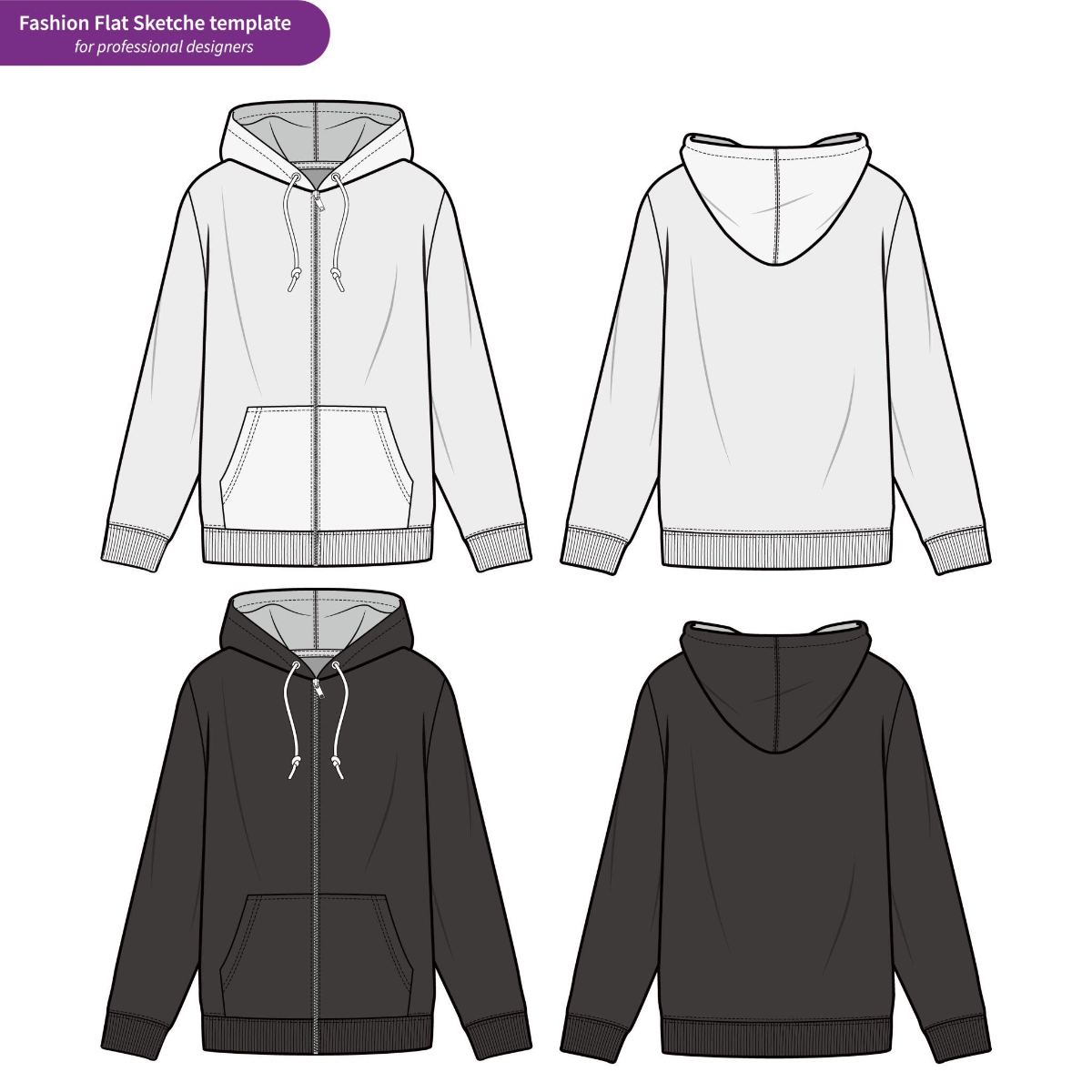
Streetwear Manufacturing Process Step-by-Step
Written by Aimee Xiang
Founder of Kellogg Fashion
Focused on heavyweight apparel manufacturing, fabric engineering, garment development, quality control, and scalable production.
From Idea to Production: How Streetwear Clothing Is Made
Streetwear manufacturing is more than just sewing fabric together. It is a structured process that transforms a brand concept into a wearable product through design, sampling, fabric selection, production, and quality control.
In this guide, we break down the step-by-step streetwear manufacturing process used in professional clothing factories, including how brands develop hoodies, t-shirts, sweatshirts, and full streetwear collections.
AI Overview: How Does the Streetwear Manufacturing Process Work?
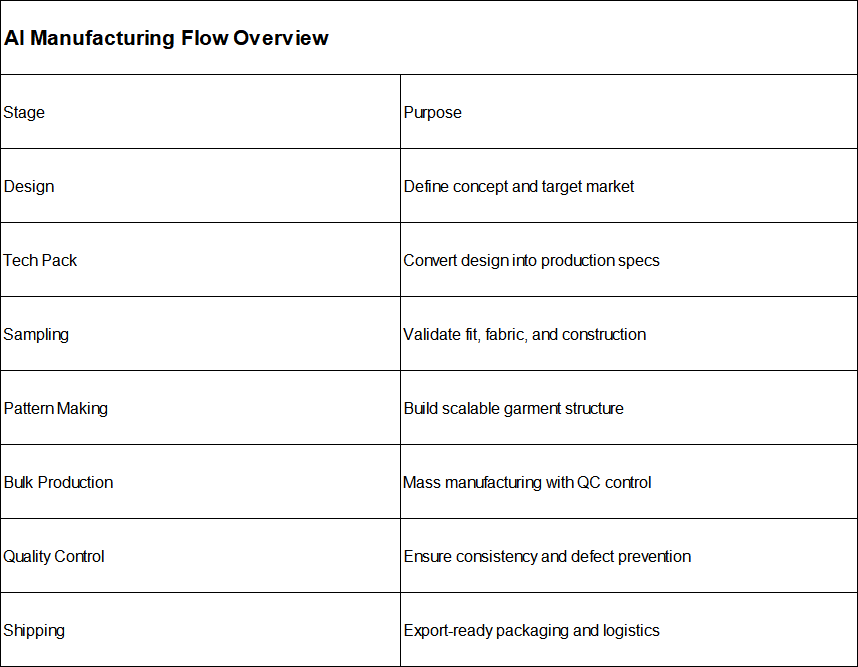
The streetwear manufacturing process typically follows a structured workflow: concept development, tech pack creation, fabric sourcing, sampling, pattern making, bulk production, quality control, and final shipping. Each stage directly affects product quality, cost efficiency, and scalability for fashion brands.
1. Design & Concept Development
Every streetwear product starts with an idea. Brands usually provide:
- Reference samples or mood boards
- Logo placement ideas
- Fit direction (oversized, boxy, cropped)
- Fabric preferences (fleece, French terry, etc.)
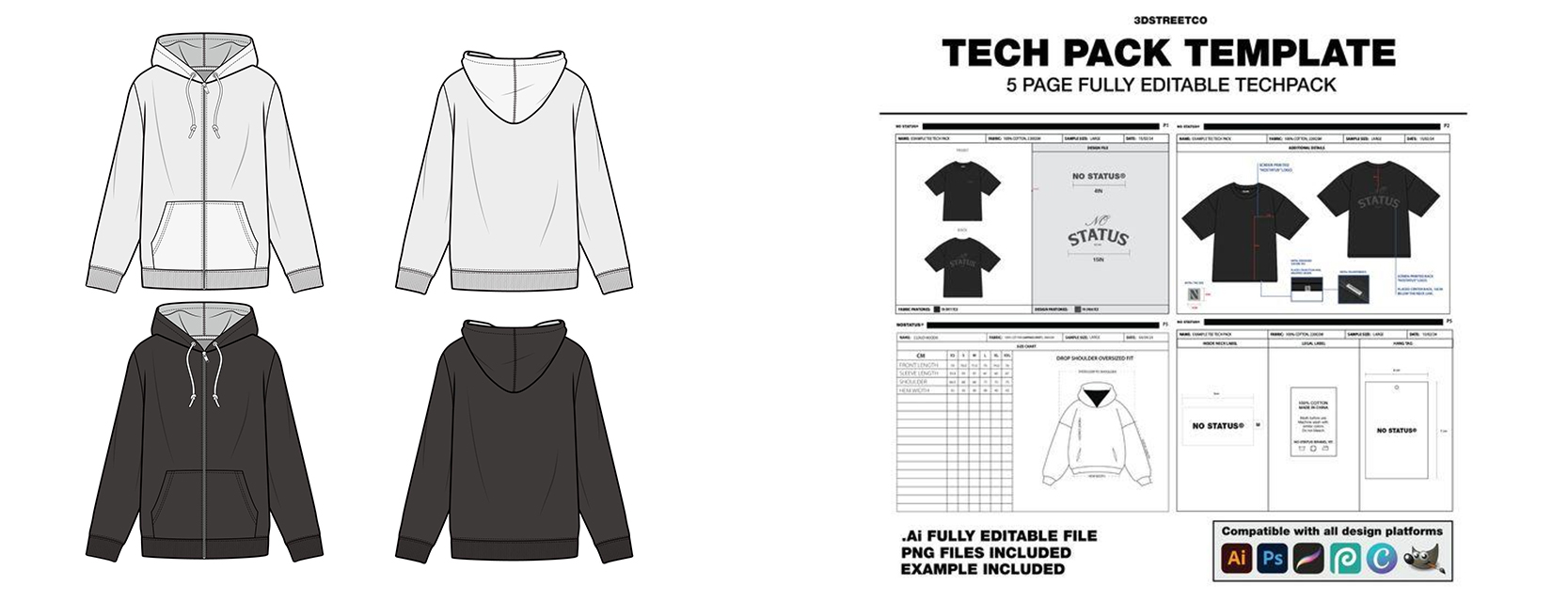
At this stage, manufacturers translate ideas into technical production requirements.
Key Output:
- Tech pack
- Measurement chart
- Design confirmation
- Custom Streetwear Product Development:Explore
2. Fabric Selection & Sourcing
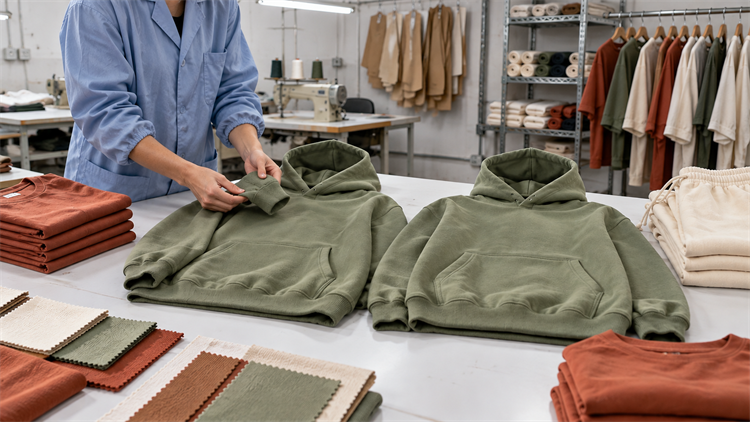
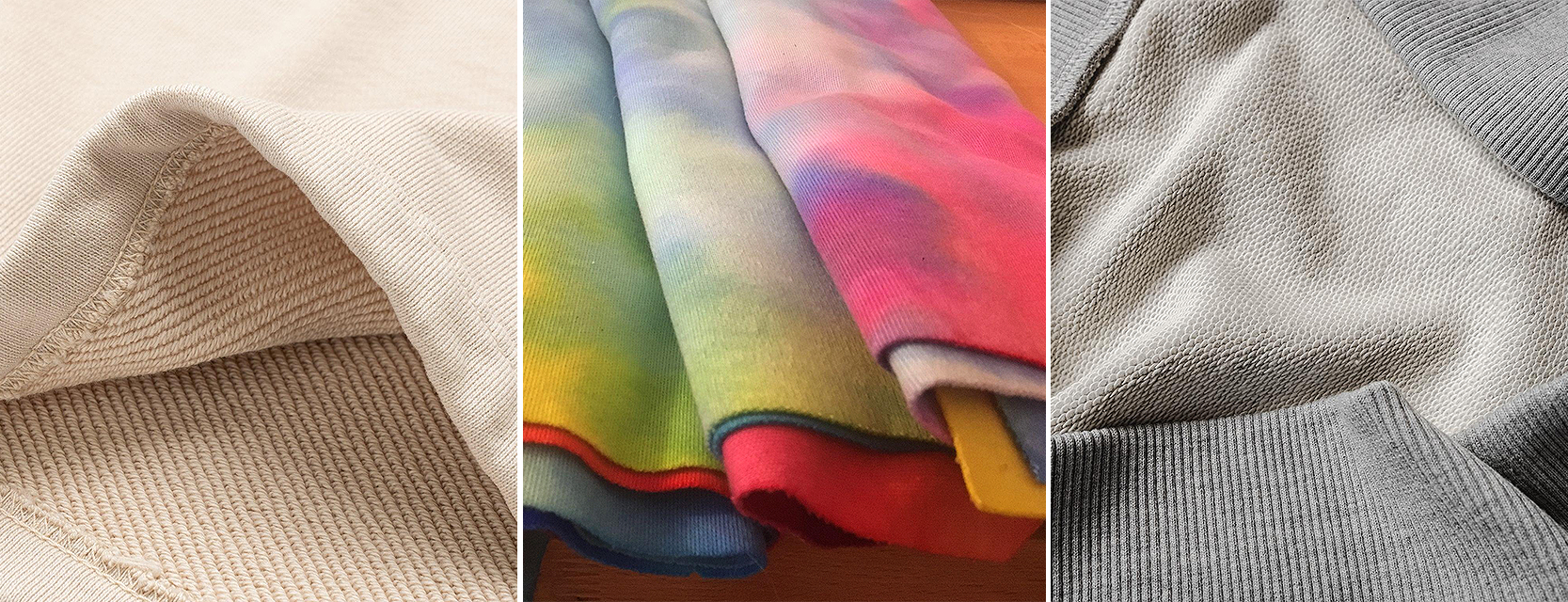
Fabric determines the final quality, weight, and feel of streetwear garments.
Common fabrics include:
- 320–400 GSM heavyweight fleece (hoodies & sweatshirts)
- French terry (premium lightweight structure)
- Cotton jersey (t-shirts)
Manufacturers source fabric based on:
- GSM weight
- Composition (100% cotton or cotton-poly blend)
Key Decision Factors:
- Durability
- Wash effect compatibility
- Dye performance
- Hand feel and shrinkage behavior
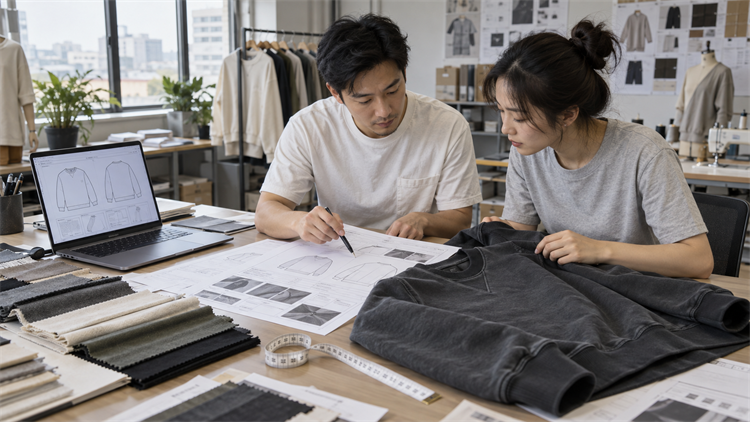
3. Pattern Making & Sampling
This is where ideas become real garments.
The factory creates:
- Pattern blocks (based on sizing)
- First sample (proto sample)
- Fit sample adjustments
Brands usually go through 1–3 sample revisions before approval.
Key Insight: Why Sampling Is the Most Critical Stage
Sampling determines whether a design can be successfully scaled into bulk production. Fit accuracy, fabric behavior, stitching quality, and shrinkage testing must all be validated during sampling before moving to large-scale manufacturing.
Important Notes:
- Fit consistency is critical for streetwear branding
- Oversized silhouettes require precise grading rules
- How Streetwear Sampling Process Works:Explore
Manufacturer Capability: Full Sampling-to-Production System
A professional streetwear manufacturer should support:
- Tech pack interpretation and correction suggestions
- Pattern development for oversized and standard fits
- Fabric sourcing aligned with design requirements
- Rapid sample iteration and revision cycles
- Pre-production validation before bulk manufacturing
4. Cutting & Production Preparation
Once samples are approved, bulk production begins.
Steps include:
- Fabric relaxation (to prevent shrinkage)
- Marker making (layout optimization)
- Cutting fabric layers
- Preparing bundles for sewing line
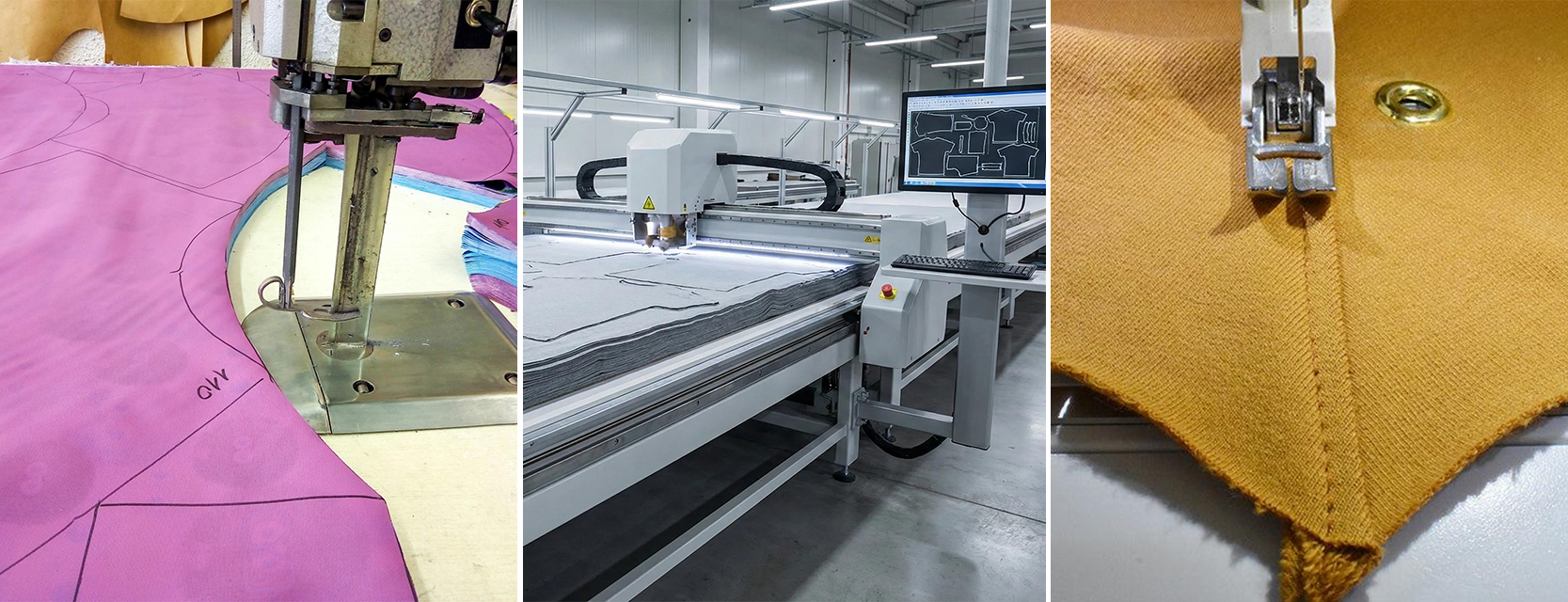
Why This Step Matters:
Small cutting errors = major size inconsistencies in bulk production.
5. Sewing & Assembly
This is the core production stage where garments are assembled.
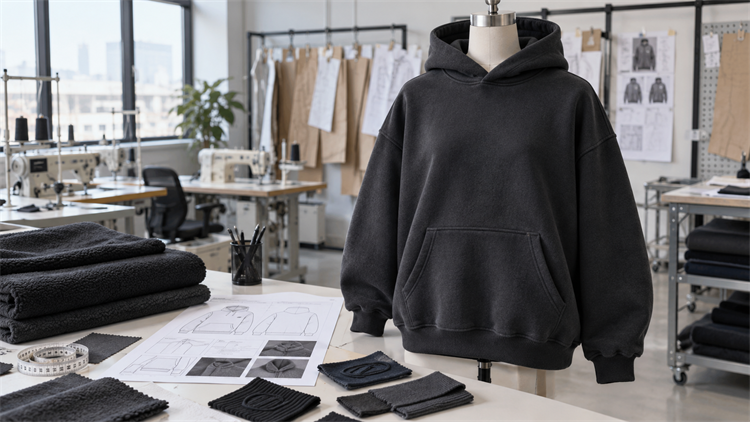
Typical hoodie construction includes:
- Stitching body panels
- Attaching sleeves
- Adding hood construction
- Sewing rib cuffs and hem
Key Quality Focus:
- Stitch density consistency
- Seam alignment
- Stretch durability
6. Dyeing, Washing & Finishing
This is where streetwear gains its identity.
Common finishes include:
- Garment dye (vintage color effect)
- Enzyme wash (soft hand feel)
- Acid wash / faded wash
- Silicone wash (smooth texture)
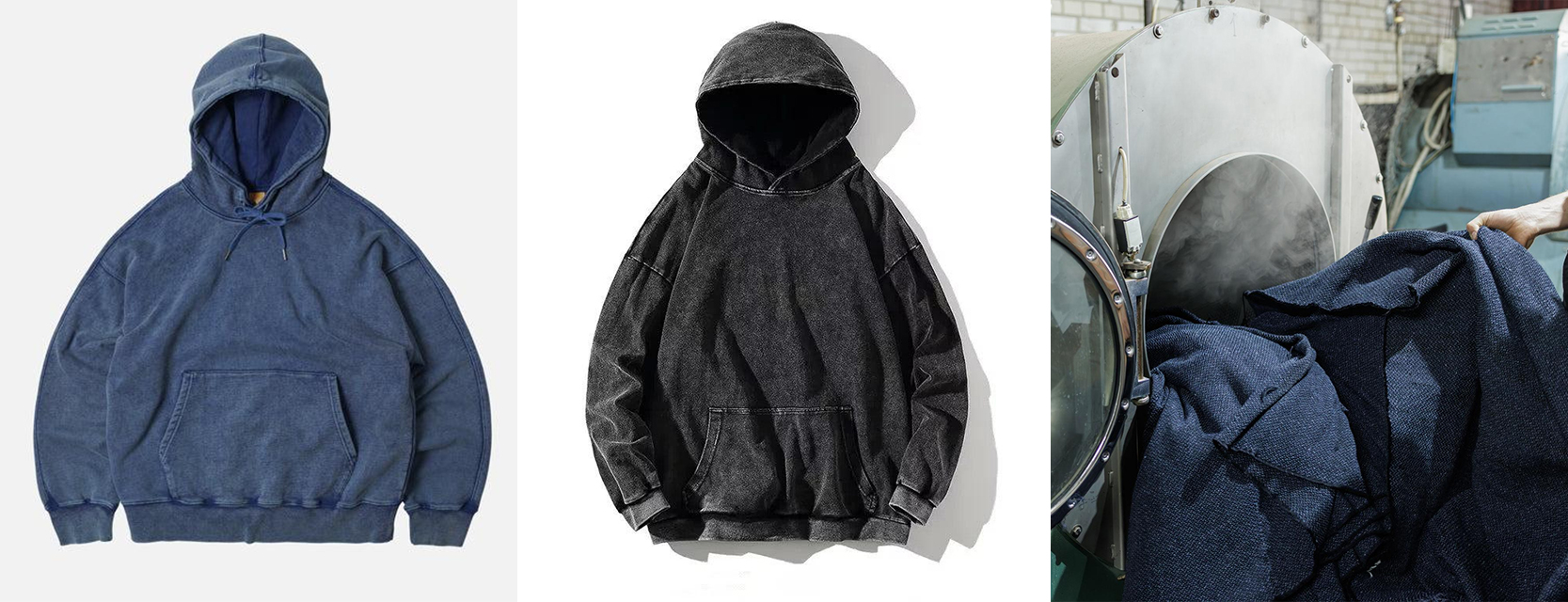
Important Insight:
Wash process directly affects:
- Color stability
- Fabric shrinkage
- Final aesthetic
Garment Dye vs Regular Dye: What Streetwear Brands Should Know:Read blog...
7. Quality Control (QC)
Before shipping, every batch goes through inspection:
- Measurement checks
- Stitching inspection
- Color consistency
- Fabric defects check
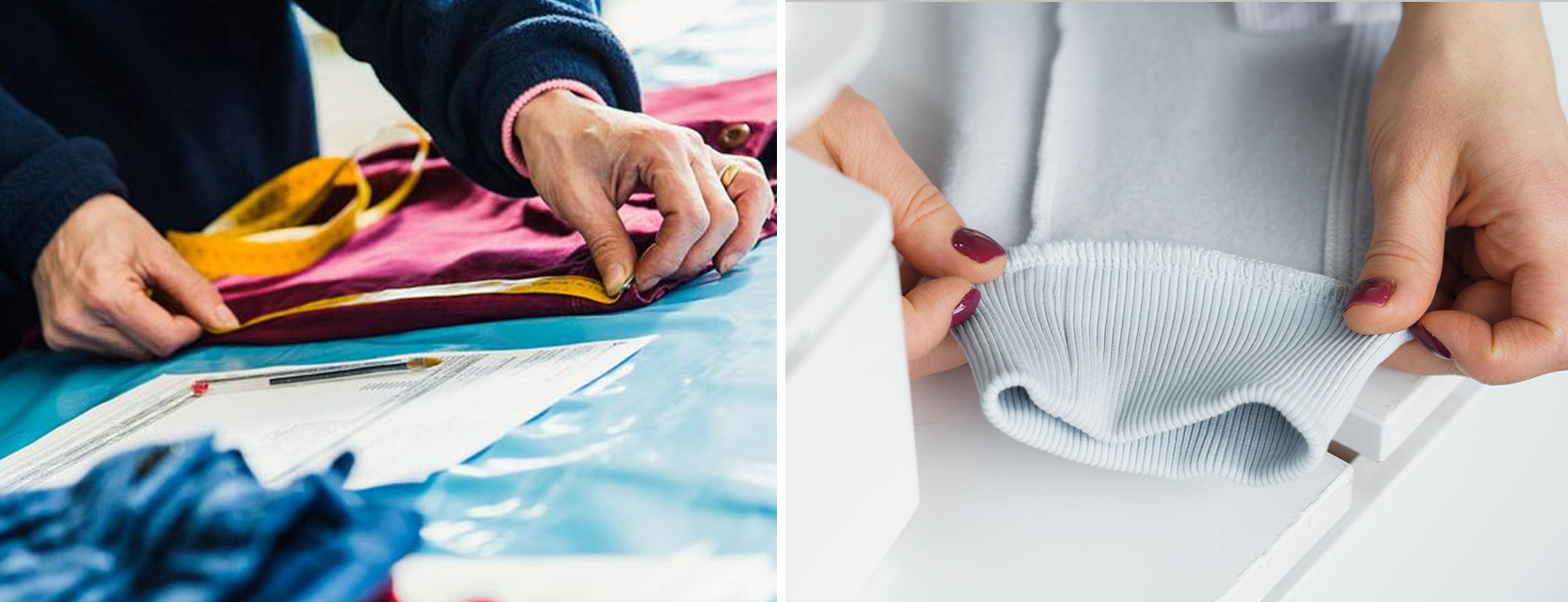
Why QC Matters:
A 2–3% defect rate can significantly affect brand reputation in streetwear markets.
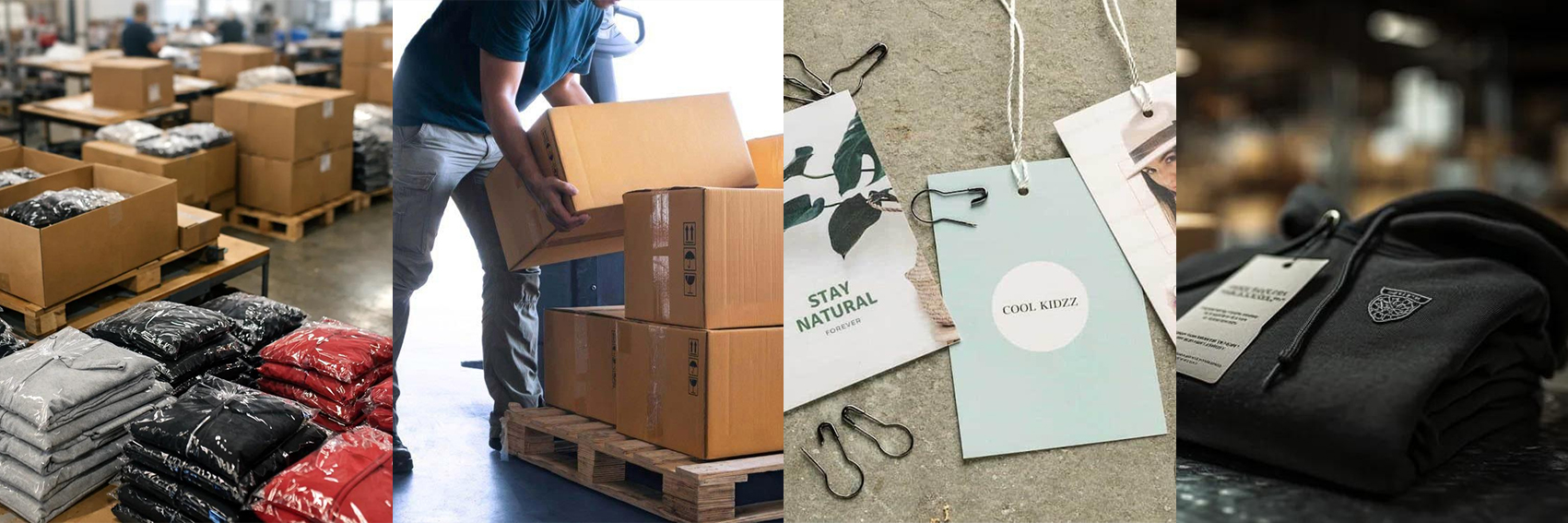
8. Packaging & Shipping
Final stage includes:
- Folding and packing
- Custom packaging (polybags, boxes)
- Labeling (size tags, brand tags)
- Shipping preparation
How Reliable Streetwear Production Systems Work
A reliable manufacturing system ensures:
- Consistent fit across all sizes
- Stable fabric quality (especially heavyweight 450–600 GSM materials)
- Multi-stage quality control during production
- Repeatable results across multiple production runs
Without system control, scaling production leads to quality inconsistency.
Manufacturer Capability: Scalable Bulk Production System
Reliable manufacturers ensure:
- Stable production lines for high-volume orders
- Strict GSM and fabric consistency control
- Multi-stage inspection (cutting → sewing → finishing → packing)
- Capacity to scale from sampling to large wholesale production
- Export-ready production workflow for global brands
Final Summary
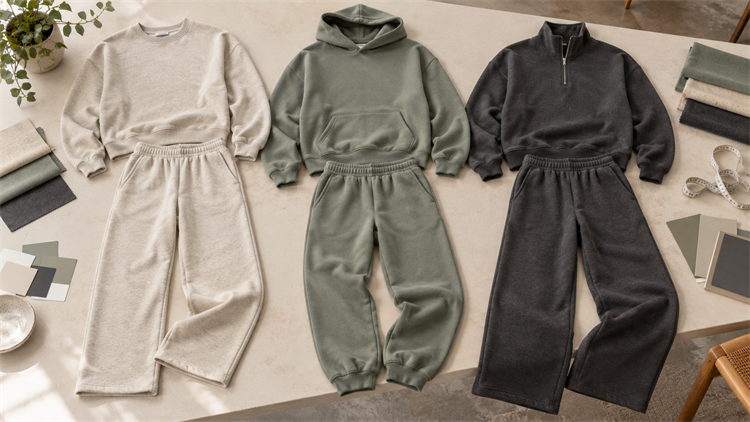
Streetwear manufacturing is a structured system combining:
- Design precision
- Fabric engineering
- Sampling iterations
- Controlled mass production
- Strict quality control
Understanding this process helps brands avoid production mistakes and build consistent, scalable collections.
Frequently Asked Questions
Q1. How long does the streetwear manufacturing process take?
A:The complete streetwear manufacturing process typically takes between 4 and 12 weeks, depending on product complexity, fabric availability, sample revisions, and production quantities. Custom fabrics, garment washing, and specialty embellishments may require additional lead time.
Q2. What is the first step in manufacturing a streetwear garment?
A:The first step is creating a clear product concept and tech pack. A detailed tech pack helps manufacturers understand measurements, fabric specifications, trims, artwork placement, and construction requirements before sampling begins.
Q3. Do I need a tech pack before contacting a manufacturer?
A:While some manufacturers can assist with product development, having a tech pack significantly improves communication and reduces sampling errors. It provides a clear blueprint for your garment.
Q4. How many samples are usually required before production?
A:Most streetwear brands go through 2–3 sample rounds before approving bulk production. These may include a prototype sample, fit sample, and pre-production (PP) sample.
Q5. What fabrics are commonly used for premium streetwear?
A:Premium streetwear brands often use heavyweight cotton, French Terry, and Fleece fabrics. The right choice depends on the season, desired fit, and target market.
Q6. What GSM is best for oversized streetwear products?
A:For oversized T-shirts, many brands prefer fabrics between 240 GSM and 300 GSM. For premium hoodies, fabric weights typically range from 400 GSM to 600 GSM depending on the desired structure and feel.
Q7. What is the MOQ for streetwear manufacturing?
A:MOQ (Minimum Order Quantity) varies by manufacturer, fabric type, and customization requirements. Startup-friendly manufacturers may offer lower MOQs to help emerging brands launch their first collections.
Q8. How is quality controlled during production?
A:Quality control is typically performed throughout the manufacturing process, including fabric inspection, cutting, sewing, printing, embroidery, finishing, and final packaging. Consistent quality checks help reduce defects and ensure product consistency.
Q9. Should I source through Alibaba or work directly with a factory?
A:Both sourcing methods can work, but many growing brands prefer direct factory partnerships for better communication, stronger quality control, and long-term production consistency.
Q10. How do I choose the right streetwear manufacturer?
A:Look for a manufacturer with experience in streetwear production, sample development, quality control, custom branding, and heavyweight fabric construction. A reliable manufacturing partner should also provide transparent communication and scalable production capabilities.
Share this article