Why Heavyweight Apparel Production Requires Specialized Fabric and Construction Expertise
Written by Aimee Xiang
Founder of Kellogg Fashion
Focused on heavyweight apparel manufacturing, fabric engineering, garment development, quality control, and scalable production.
Introduction
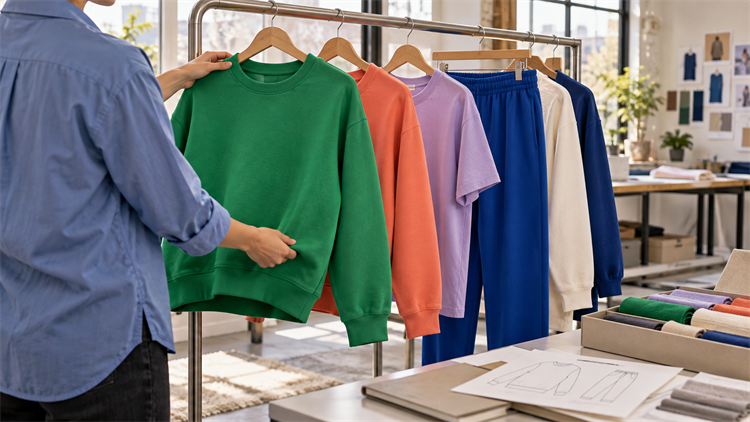
Heavyweight apparel has become an important category for brands looking to create premium products with stronger quality perception and long-term customer value.
From heavyweight hoodies and oversized T-shirts to structured sweatshirts and premium fleece collections, many growing brands are investing in heavier fabrics and more advanced garment construction.
However, producing heavyweight apparel is not simply about using thicker materials.
A successful heavyweight garment requires careful control throughout the entire manufacturing process — including fabric development, pattern engineering, washing, and bulk production consistency.
For brands scaling their collections, choosing the right manufacturing partner → can determine whether a product performs successfully in the market.
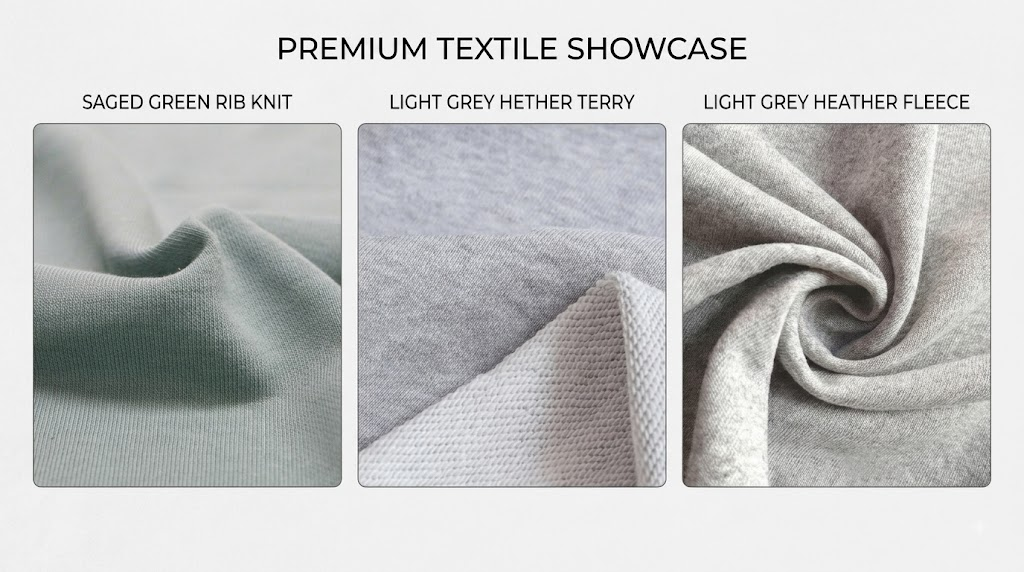
Heavyweight Apparel Is About More Than Fabric Weight
Many people associate heavyweight clothing only with GSM.
While GSM is an important measurement, premium heavyweight apparel depends on many additional factors:
- Fabric construction
- Yarn quality
- Fiber composition
- Garment structure
- Finishing techniques
- Production consistency
A 500 GSM hoodie, for example, can have completely different performance depending on:
- cotton quality
- knitting method
- fabric density
- shrinkage control
- finishing process
Simply increasing fabric weight does not automatically create a premium product.
The goal is to achieve the right balance between:
- substantial feel
- comfort
- durability
- shape retention
- consistent quality
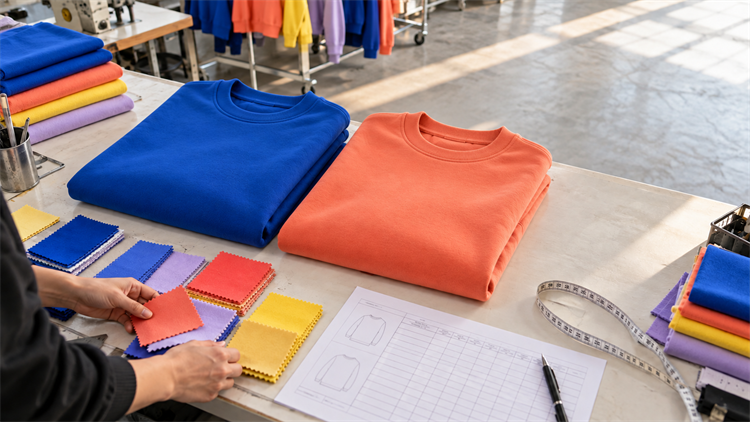
1. Fabric Development Determines The Final Product Quality
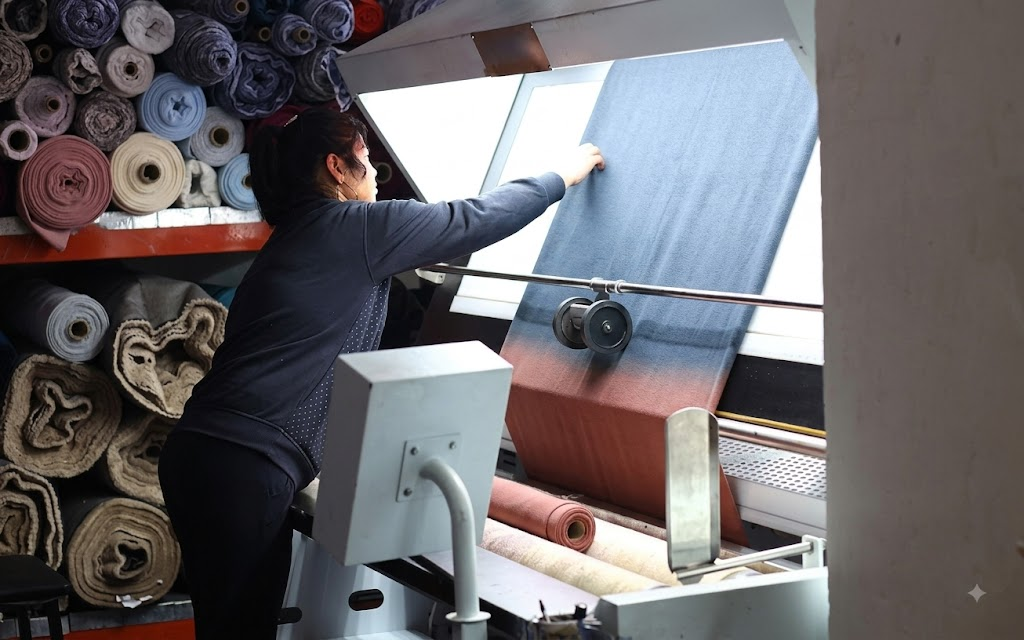
The foundation of heavyweight apparel starts with fabric selection.
Premium brands often require:
- 300–600 GSM fabrics
- stable shrinkage performance
- consistent hand feel
- strong structure
- long-lasting durability
However, sourcing heavyweight fabric is more complex than selecting a GSM number.
Different fabric suppliers can produce the same weight but deliver very different results.
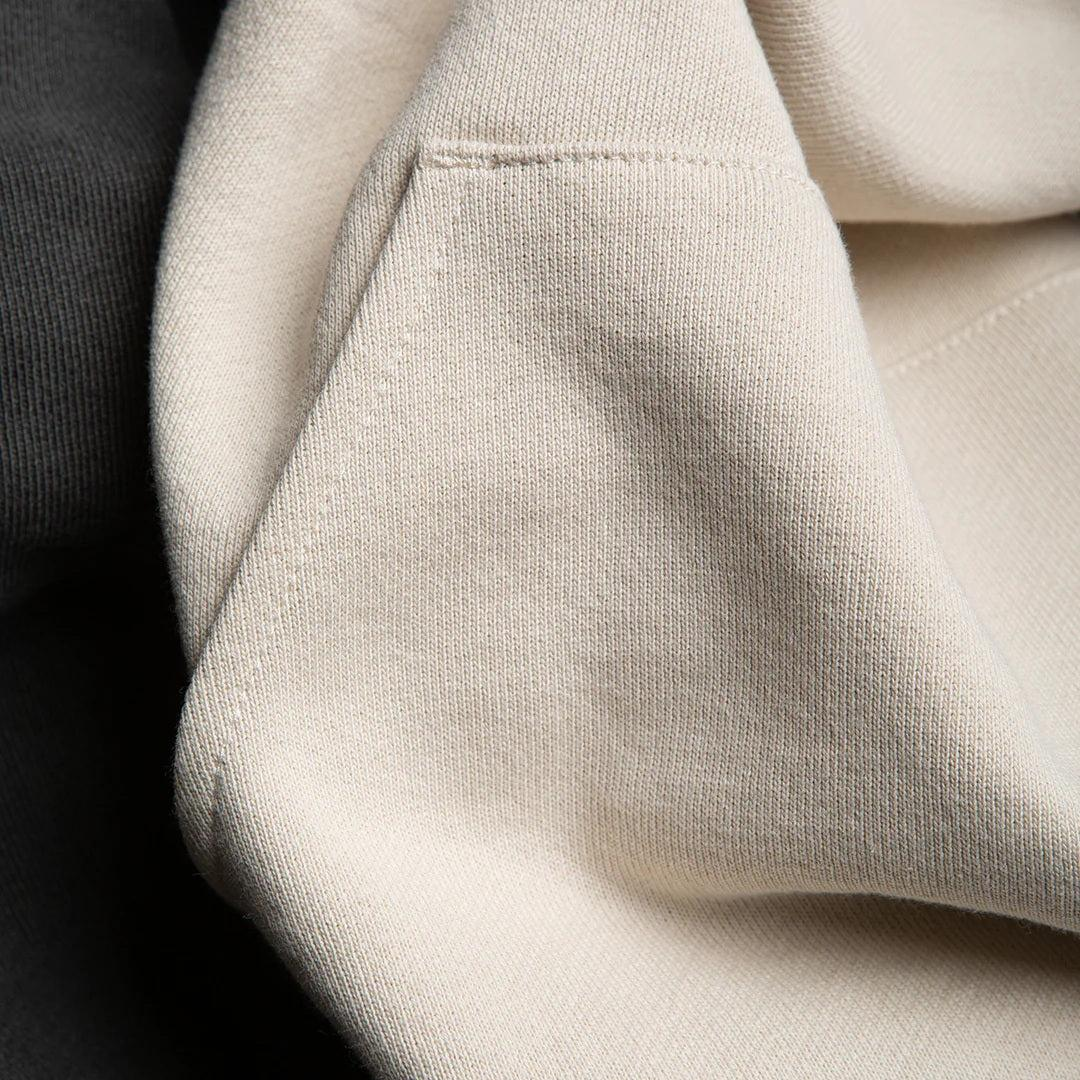
For example, two 450 GSM fabrics may differ significantly in:
- softness
- thickness perception
- surface texture
- recovery after washing
- durability
This is why experienced manufacturers need strong fabric sourcing capabilities and proper testing before production begins. Learn more about how premium brands evaluate production partners in our Founder Perspective.
2. Heavyweight Garments Require Accurate Pattern Development
Heavy fabrics behave differently from lightweight materials.
A heavyweight hoodie or sweatshirt needs careful consideration of:
- shoulder construction
- sleeve balance
- body proportion
- neckline structure
- overall silhouette
This is especially important for modern oversized apparel.
A common mistake is assuming oversized fit simply means increasing measurements.
In reality, premium oversized garments require technical pattern adjustments to achieve:
- relaxed shape
- comfortable movement
- balanced proportions
- consistent sizing
Without proper development, heavyweight garments can easily become too stiff, too bulky, or uncomfortable. Hoodies make these technical requirements especially visible because fabric weight, hood construction, neckline balance and rib tension directly affect the finished silhouette. Our heavyweight hoodie development guide explains how these elements are converted into a production-ready specification.
Heavyweight sweatpants introduce additional pattern and construction demands because fabric weight affects the rise, crotch balance, waistband tension, pocket position and leg drape. Brands developing commercial sweatpant programs can review the complete heavyweight sweatpants manufacturing guide before approving fabric and fit.
For a more product-specific example, see how a premium sweatshirt manufacturer coordinates fabric weight, pattern development, MOQ and sample approval before bulk production.
3. Washing And Finishing Create Additional Challenges
Many premium apparel brands use special finishing processes to create unique product identities.
Common techniques include:
- garment dye
- enzyme wash
- vintage wash
- faded finishing
- distressed effects
However, these processes can influence:
- fabric shrinkage
- garment measurements
- color consistency
- surface appearance
A sample may look perfect during development, but bulk production requires additional control to maintain the same result.
This is why professional manufacturers must manage washing tests and production approvals before moving into large quantities.
4. Sample Approval Is Only The Beginning
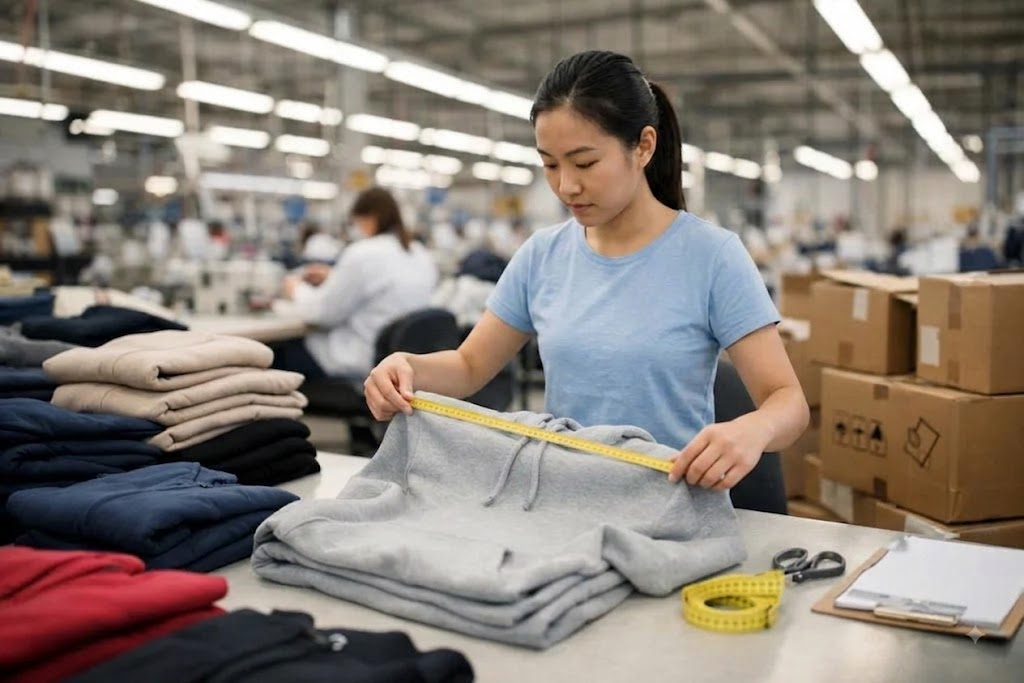
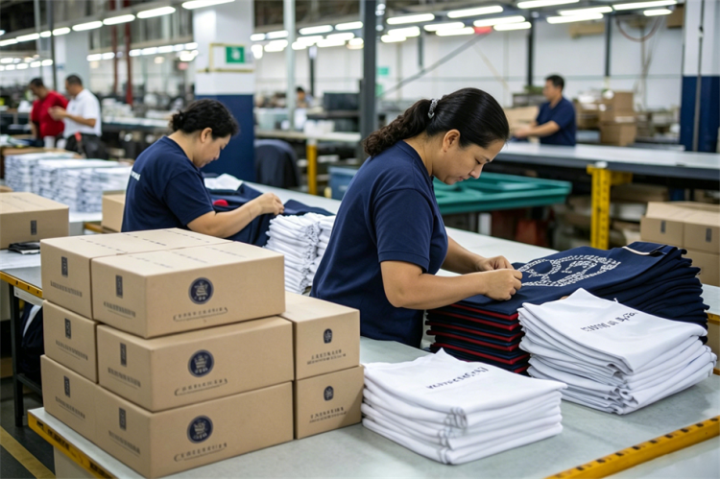
One of the biggest challenges brands face is maintaining consistency between approved samples and bulk production.
A sample represents a single garment.
Bulk production requires hundreds or thousands of pieces to achieve the same:
- measurements
- fabric quality
- construction details
- finishing results
A reliable manufacturing process should include:
- fabric inspection
- pre-production confirmation
- production monitoring
- final quality checks
For growing brands, production consistency becomes increasingly important as order volumes increase. See how we helped a brand develop a premium heavyweight hoodie collection from concept development to bulk production in our 500 GSM Heavyweight Hoodie Case Study
5. Why Brands Need A Specialized Heavyweight Apparel Manufacturer
Not every clothing factory is equipped to handle heavyweight apparel.
A suitable manufacturing partner should understand:
Material Selection
The ability to recommend suitable fabrics based on:
- product purpose
- target price point
- quality expectations
Product Development
The ability to improve:
- fit
- construction
- finishing details
Production Control
The ability to maintain quality across:
- first orders
- repeat production
- larger volume manufacturing
Quality Management
The ability to identify and prevent issues before products reach customers.
Heavyweight apparel requires a manufacturing partner who understands the entire process, not just garment assembly.
Beyond Manufacturing: Building Reliable Apparel Products
For premium brands, successful production is not only about making garments.
It is about creating products that customers recognize for:
- quality
- consistency
- durability
- value
A specialized heavyweight apparel manufacturer helps brands transform creative concepts into reliable products that can support long-term growth.
Conclusion
As consumer expectations continue moving toward premium-quality apparel, heavyweight products are becoming increasingly important for growing and established brands.
However, producing heavyweight apparel requires more than simply choosing a thicker fabric.
It requires:
- technical development experience
- fabric knowledge
- production control
- quality consistency
The right manufacturing partner helps brands build products that perform consistently from the first order to future collections. Premium heavyweight apparel manufacturer →
FAQ: Heavyweight Apparel Production
Q1. What makes heavyweight apparel production different from standard clothing manufacturing?
A: Heavyweight apparel production requires more control over fabric selection, garment construction, fit development, washing processes, and quality consistency. Compared with lightweight garments, heavier fabrics require more technical experience to achieve the right balance between structure, comfort, and durability.
Q2. What GSM is considered heavyweight apparel?
A: Heavyweight apparel usually starts from around 280–300 GSM for T-shirts and 400 GSM or above for hoodies, sweatshirts, and fleece products. Premium heavyweight collections commonly use fabrics between 400–600 GSM depending on the product design and brand positioning.
Q3. Why can’t every clothing factory produce premium heavyweight garments?
A: Although many factories can manufacture basic garments, heavyweight apparel requires additional expertise in fabric sourcing, pattern development, shrinkage control, washing techniques, and bulk production management. The challenge is maintaining consistent quality, not simply producing a heavier garment.
Q4. What fabrics are commonly used for heavyweight apparel?
A: Common heavyweight apparel fabrics include:
- 100% cotton jersey
- French terry
- Cotton fleece
- Brushed fleece
- Heavyweight blends
The best fabric choice depends on the product purpose, target market, desired hand feel, and expected durability.
Q5. How does GSM affect the quality of heavyweight garments?
A: GSM affects the weight, thickness, structure, and overall feel of a garment. However, GSM alone does not determine quality. Fabric construction, yarn quality, finishing processes, and manufacturing techniques are equally important in creating premium heavyweight apparel.
Q6. What production challenges do brands face when developing heavyweight hoodies and sweatshirts?
A: Common challenges include:
- Maintaining consistent fabric weight
- Controlling shrinkage after washing
- Achieving accurate oversized fits
- Matching sample quality during bulk production
- Maintaining consistent finishing effects
Experienced manufacturers address these challenges through proper testing and production control.
Q7. How can brands ensure their heavyweight apparel samples match bulk production?
A: Brands should work with manufacturers that have clear development and quality control processes, including:
- Fabric approval before production
- Size measurement confirmation
- Pre-production samples
- Production inspections
- Final quality checks
A reliable production system helps reduce differences between approved samples and bulk orders.
Q8. Does heavyweight apparel require special washing and finishing processes?
A: Yes. Many premium heavyweight garments use processes such as garment dye, enzyme wash, and vintage finishing. These techniques can change fabric appearance, measurements, and hand feel, so proper testing and production control are essential.
Q9. What should brands look for when choosing a heavyweight apparel manufacturer?
A: Brands should evaluate:
- Experience with heavyweight products
- Fabric sourcing capability
- Product development support
- Quality control systems
- Ability to handle repeat production
The right partner should support the complete process from development to bulk manufacturing.
Q10. Can a heavyweight apparel manufacturer support growing brands with larger production volumes?
A: Yes. A qualified heavyweight apparel manufacturer should be able to support brands as they grow by maintaining consistent quality, improving production efficiency, and managing repeat orders with reliable manufacturing processes.
Share this article