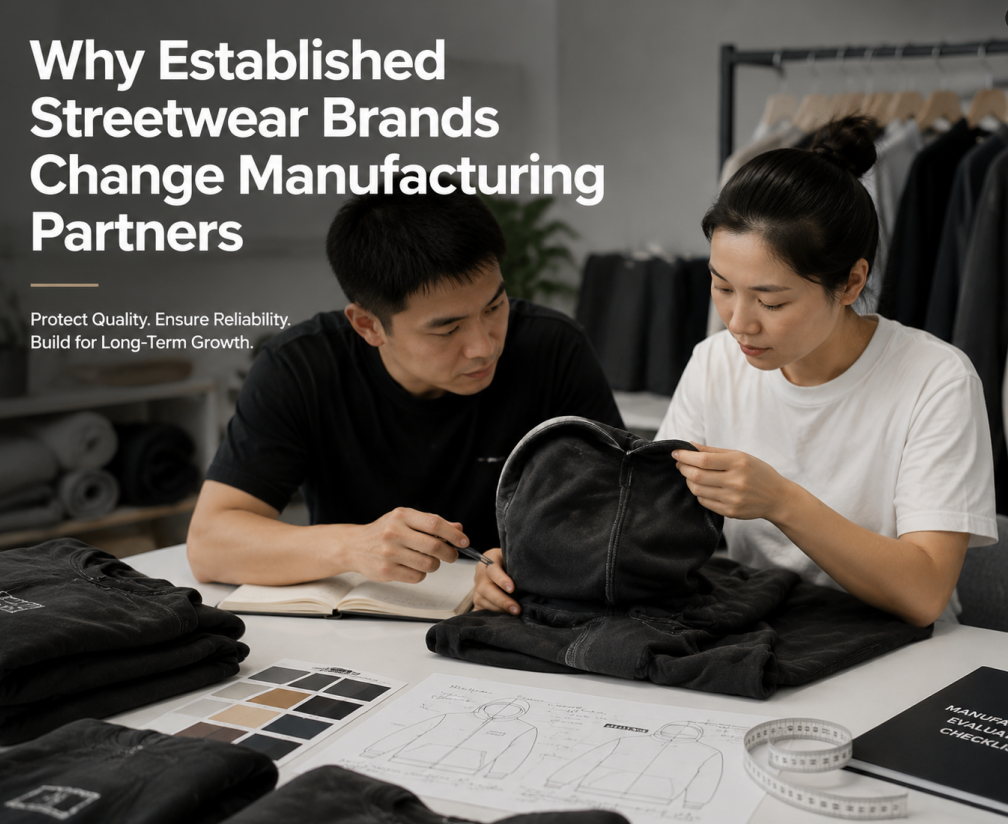
Why Established Streetwear Brands Change Manufacturing Partners
Written by Aimee Xiang
Founder of Kellogg Fashion
Focused on heavyweight apparel manufacturing, fabric engineering, garment development, quality control, and scalable production.
Introduction
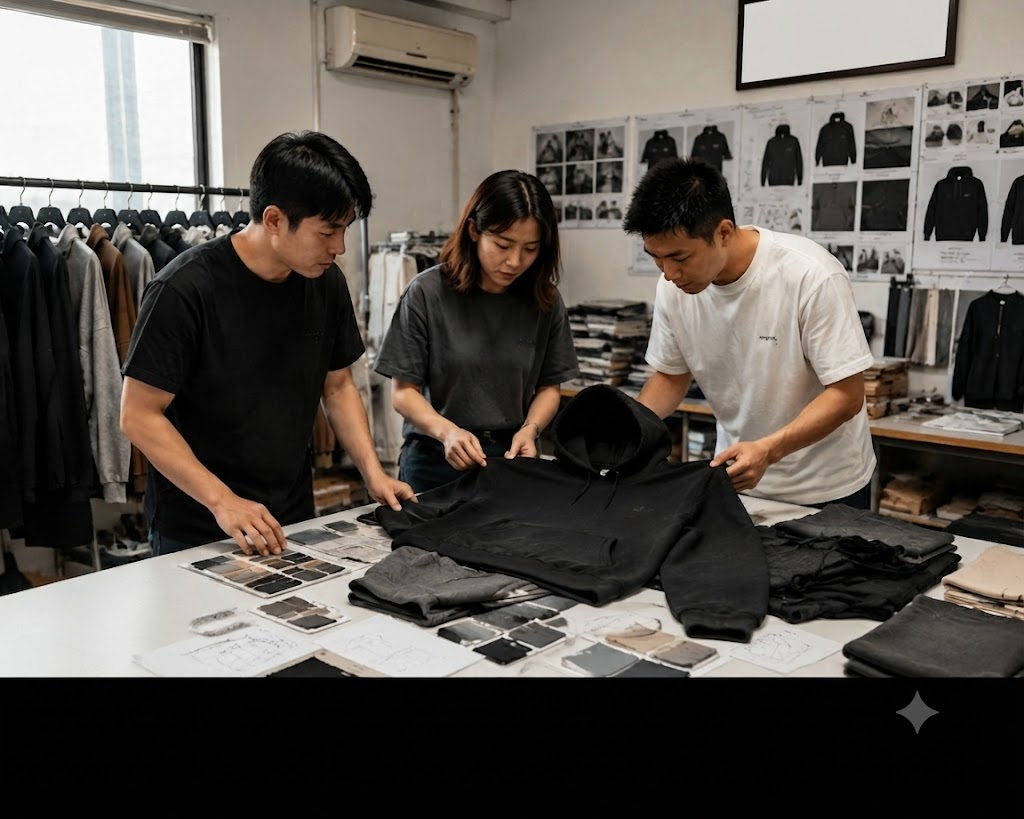
For many streetwear brands, changing manufacturers is not a decision made at the beginning of their journey. It usually happens after the brand has already developed collections, built customer demand, and experienced the challenges of scaling production.
A manufacturer that worked well for early-stage production may not always be the right partner as a brand grows.
As streetwear brands expand their collections, increase order volumes, and develop more complex products, they often begin looking for a manufacturing partner with stronger capabilities in product development, quality control, fabric sourcing, and consistent bulk production. Inconsistent measurements, finishing or repeat-order quality can indicate weaknesses in maintaining consistent bulk production quality.
At Kellogg Fashion, we work with brands that are looking for more than a factory. They are looking for a reliable manufacturing partner who understands premium heavyweight streetwear production.
1. Inconsistent Bulk Quality Between Samples and Production
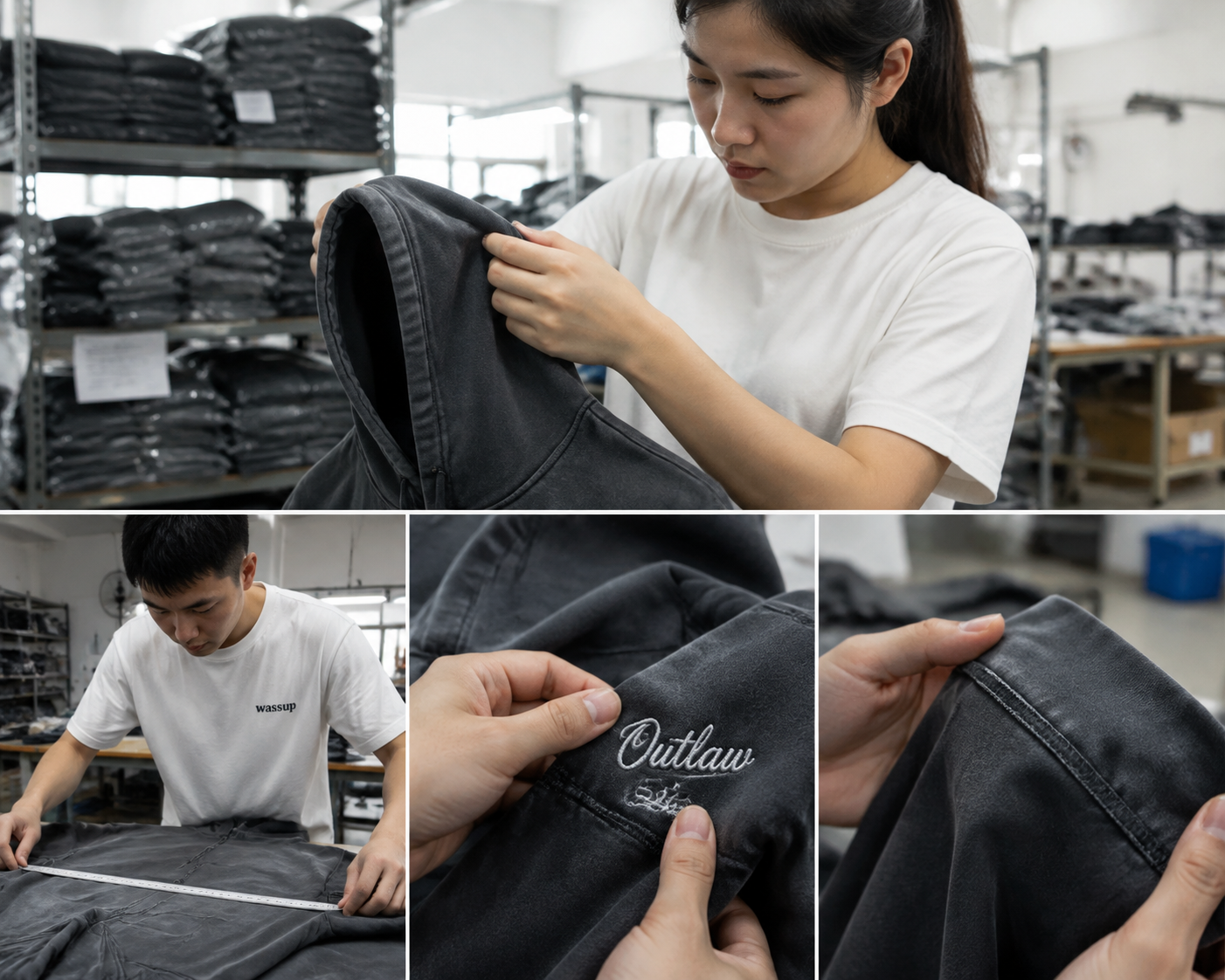
One of the most common reasons brands change suppliers is the difference between approved samples and bulk production.
A sample may look excellent, but problems can appear during mass production:
- Fabric weight and hand feel are inconsistent
- Measurements vary between production batches
- Garment washing effects are difficult to control
- Stitching, embroidery, or printing quality changes
- Construction details are not maintained
For premium streetwear brands, consistency is essential.
Customers expect every piece from a collection to have the same quality, fit, and appearance. A manufacturing partner must have reliable production processes to maintain those standards from the first sample to the final shipment.
2. Limited Product Development Support
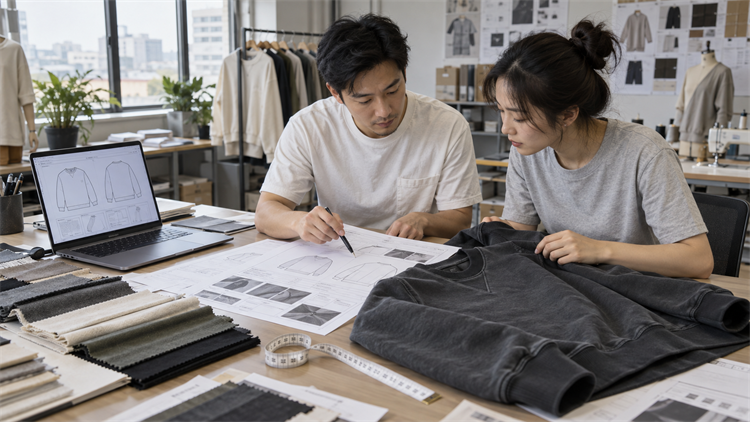
As brands grow, they often require more than basic manufacturing.
Modern streetwear products involve complex development decisions, including:
- Heavyweight fabric selection
- Oversized pattern development
- Garment washing techniques
- Custom construction details
- Embroidery and artwork placement
- Fabric performance testing
A strong manufacturing partner should not only follow instructions but also provide practical production recommendations.
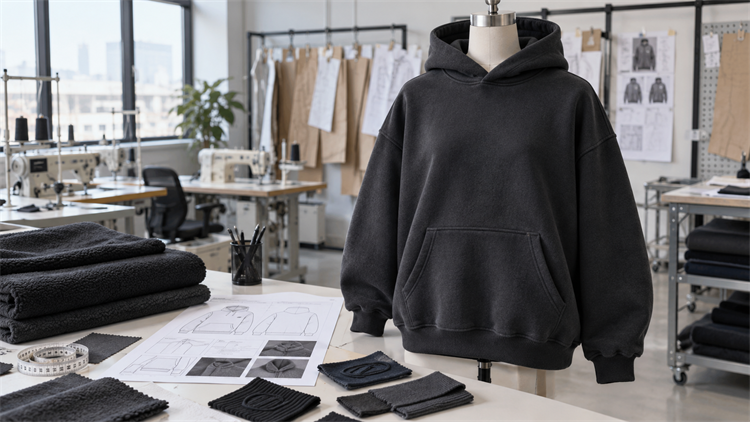
For example, a 500 GSM hoodie is not only about fabric thickness. The final result depends on fabric structure, shrinkage control, washing method, pattern balance, and construction quality.
Brands need a manufacturer that can help solve these challenges before production begins.
3. Increasing Product Complexity Requires Stronger Manufacturing Capability
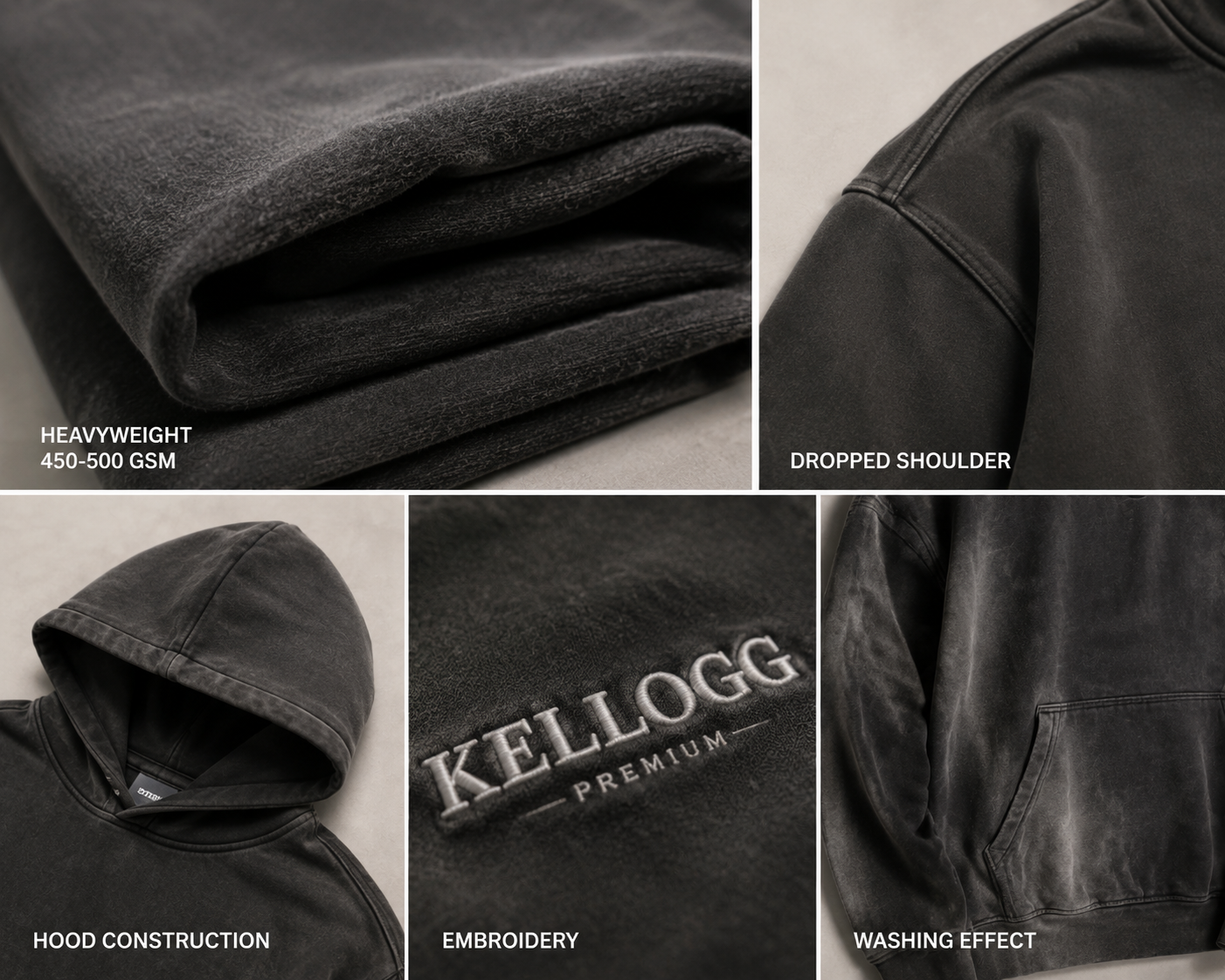
Many streetwear brands begin with simple products and later move toward more advanced collections.
Their products may include:
- 400–600 GSM heavyweight hoodies
- Oversized boxy silhouettes
- Garment-dyed and vintage-washed finishes
- Cut-and-sew colour blocking
- Custom labels and packaging
- Multi-location embroidery and printing
Not every supplier has the experience or production capability to handle these requirements consistently.
As a brand develops its identity, it often needs a manufacturing partner that can support more advanced product development. Heavyweight apparel requires specialized fabric knowledge and production control. Premium heavyweight apparel manufacturerg →
4. Communication and Development Efficiency Become More Important
When brands grow, production communication becomes a critical factor.
A successful manufacturing relationship requires:
- Clear product discussions
- Fast feedback during development
- Accurate understanding of brand requirements
- Transparent production updates
- Efficient problem solving
Poor communication can lead to unnecessary sample revisions, production delays, and unexpected costs. This is especially true for brands developing premium heavyweight products, where production requires deeper expertise beyond standard garment manufacturing. Premium heavyweight apparel production →
A reliable manufacturer should become an extension of the brand’s product team, helping move ideas from concept to finished garments efficiently.
5. Brands Need Reliable Repeat Production
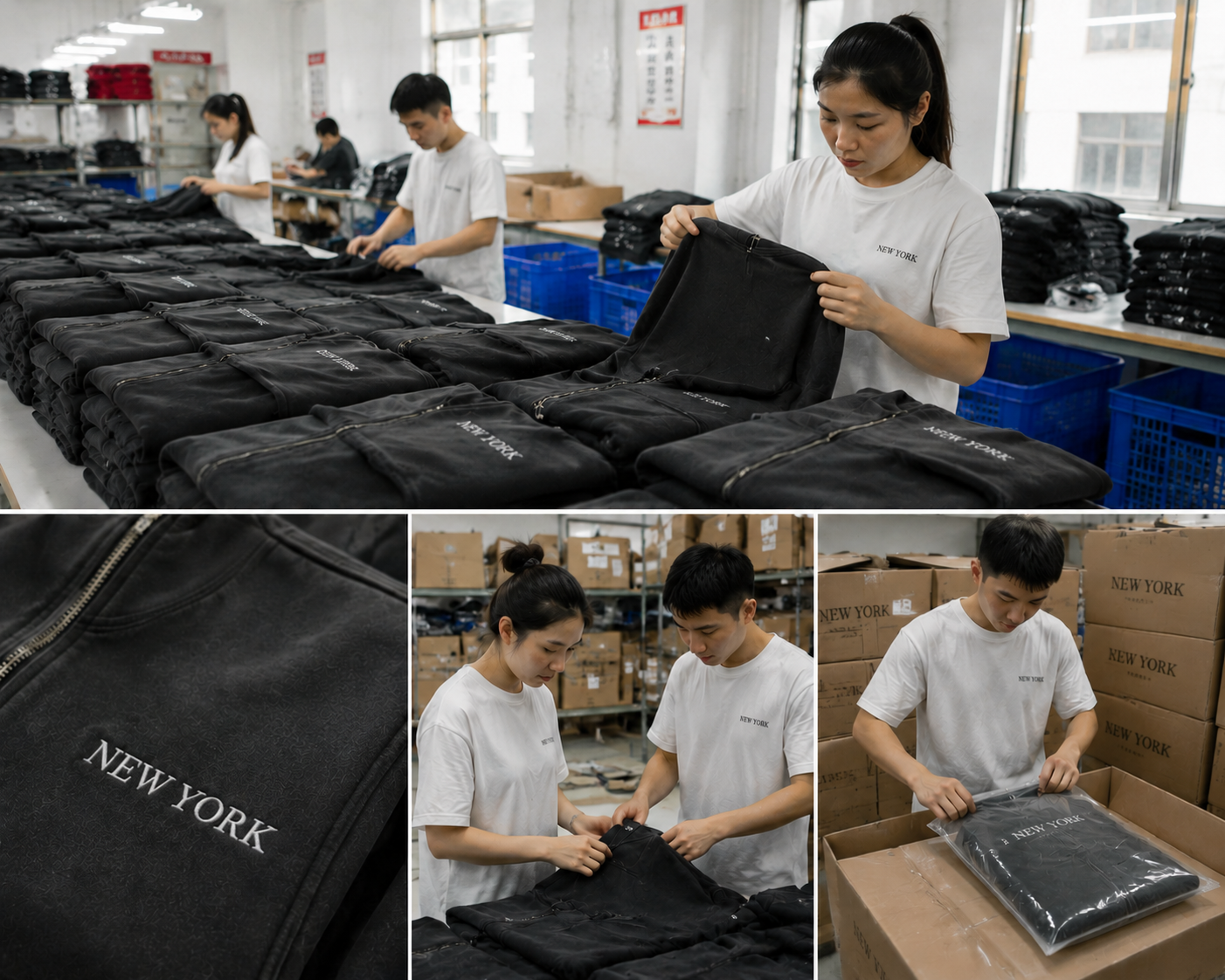
The first order is only the beginning of a successful manufacturing partnership.
Established brands need confidence that future collections can maintain the same standards.
Important factors include:
- Stable fabric sourcing
- Consistent production methods
- Accurate specifications
- Quality inspection processes
- Ability to support future collections
A manufacturer’s value is not only measured by producing one successful sample. It is measured by the ability to deliver consistent quality across multiple production cycles.
What Should Brands Evaluate Before Changing Manufacturers?
Understanding the development process is also an important part of selecting the right manufacturing partner. Streetwear product development process →
Before selecting a new streetwear manufacturer, brands should consider:
Product Development Capability
Can the manufacturer provide technical guidance and improve product construction?
Fabric Expertise
Can they recommend suitable fabrics based on weight, feel, durability, and washing requirements?
Quality Control Process
Do they have clear inspection procedures to maintain bulk consistency?
Production Experience
Have they produced similar premium streetwear products?
Long-Term Partnership Approach
Can they support future collections instead of only completing one order?
From Factory Supplier to Manufacturing Partner
The best manufacturing relationships are built on collaboration.
A factory produces garments. One warning sign is inconsistent quality between samples and bulk production, especially when differences repeatedly appear in fabric, measurements, construction or finishing.
A manufacturing partner helps brands develop better products, improve production efficiency, and maintain consistent quality as they grow.
For premium streetwear brands, choosing the right manufacturer is not only about price or minimum order quantity. It is about finding a partner who understands the standards behind the brand.
At Kellogg Fashion, we specialize in premium heavyweight streetwear manufacturing, supporting brands with product development, fabric selection, complex construction, garment washing, and reliable bulk production.
We believe the right manufacturing partnership helps brands create products that customers remember.
Frequently Asked Questions
Q1:Why do established streetwear brands change manufacturers?
A:Brands usually change manufacturers when their current supplier cannot consistently meet quality expectations, support product development, handle more complex designs, or provide reliable long-term production support.
Q2:When is the right time for a streetwear brand to change manufacturers?
A:A brand should consider changing manufacturers when production issues repeatedly affect quality, timelines, communication, or the ability to develop new products.
Many brands start searching for a new manufacturing partner when they move from small collections into more structured and repeat production.
Q3:What problems do brands commonly experience with existing manufacturers?
A:Common challenges include inconsistent bulk quality, limited fabric options, poor communication, lack of technical support, delayed production, and difficulty maintaining the same standards across collections.
Q4:What should brands evaluate when choosing a new streetwear manufacturer?
A:Brands should evaluate:
- Product development capability
- Fabric sourcing experience
- Quality control processes
- Production capacity
- Communication efficiency
- Experience with similar products
The lowest price is rarely the most important factor for premium streetwear production.
Q5:Can a manufacturer improve an existing product design?
A:Yes. An experienced manufacturer can review existing designs, reference samples, fabrics, and construction methods to suggest improvements in fit, fabric selection, durability, and production efficiency.
Q6:Can manufacturers produce heavyweight streetwear products?
A:Yes, but heavyweight apparel requires specific production experience.
Products such as 400–600 GSM hoodies require attention to fabric structure, pattern balance, stitching strength, washing processes, and shrinkage control to achieve consistent results.
Q7:How does a manufacturer maintain consistency during bulk production?
A:Professional manufacturers maintain consistency through:
- Approved pre-production samples
- Fabric inspection
- Measurement control
- Production monitoring
- Quality inspections before shipment
These processes help ensure the final bulk order matches approved standards.
Q8:Can a manufacturer work from reference photos or existing samples?
A:Yes. Many brands begin development with reference garments.
An experienced manufacturer can analyze construction details, fabric characteristics, measurements, and finishing techniques to create samples based on the brand’s requirements.
Q9:What is the difference between a factory supplier and a manufacturing partner?
A:A factory supplier focuses on producing garments according to instructions.
A manufacturing partner provides additional support through product development, technical recommendations, problem solving, and long-term production planning.
Q10:Why is choosing the right manufacturing partner important for streetwear brands?
A:The right manufacturing partner helps brands maintain product quality, develop better collections, reduce production risks, and build a reliable supply chain as they grow.
Share this article