How to Develop a Custom Sweatshirt Collection for Retail and Wholesale
Introduction
A sweatshirt brand may sell directly through its website while also supplying boutiques, independent retailers or custom business orders. These channels can share a recognizable product identity, yet place different demands on the same collection.
An online launch may need a distinctive color and a strong visual story. A retail partner may need a dependable core style, a clear size range and stock available before a seasonal selling window. Both depend on production decisions made well before the garments reach the warehouse.
To develop a custom sweatshirt collection for retail and wholesale, establish the shared product foundation first, then define channel-specific designs, cost limits, stock commitments and delivery requirements. The aim is a collection that feels coherent to customers and remains workable to manufacture and replenish.
1. Define What Each Sales Channel Needs From the Collection
Before choosing colors or requesting samples, identify how each channel will buy and sell the garments.
For direct-to-consumer sales, review previous demand, planned launch dates and whether products will be sold from stock or through pre-orders. For wholesale, distinguish confirmed purchase orders from buyer interest and internal sales forecasts.
Create a short channel brief:
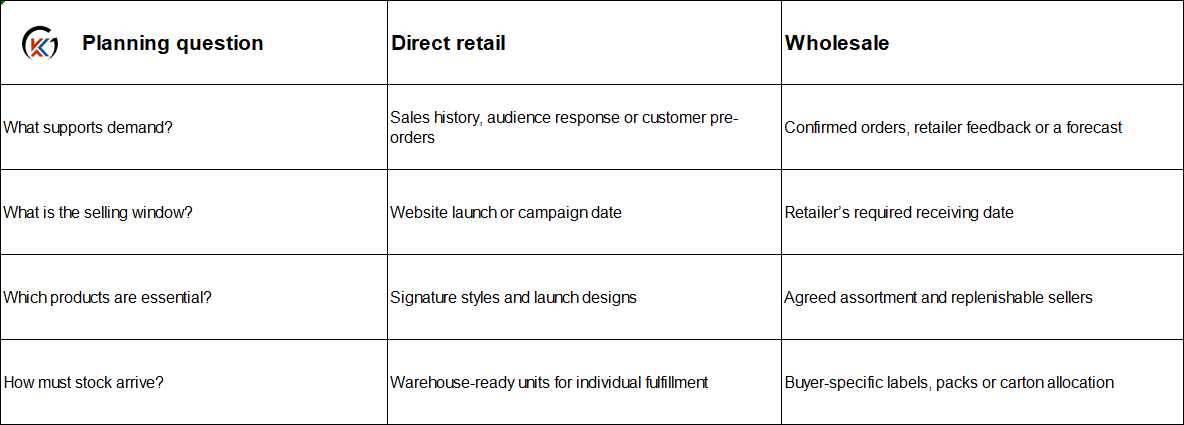
Treat unconfirmed wholesale interest as a forecast. It should not automatically receive the same production commitment as an accepted order.
This brief gives the manufacturer a clearer development direction than a request for several sweatshirt samples without a commercial plan.
2. Build a Shared Product Foundation
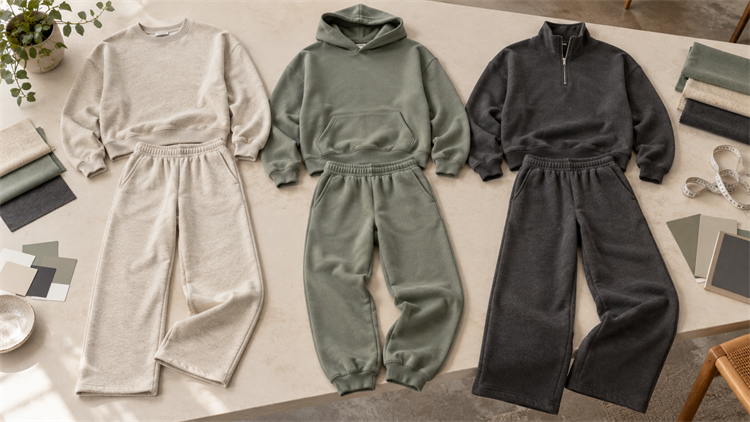
A recognizable collection can grow from a small number of well-developed silhouettes. A relaxed crewneck, an oversized mock neck and a hoodie may offer enough variety when each has a clear role.
Decide which features define the brand across channels: the shoulder shape, body proportions, neckline, fabric hand feel or a particular lettering treatment. Keep these decisions deliberate as the assortment expands.
Shared components may simplify development where specifications genuinely match. However, a mock neck and a crewneck still need separate neckline evaluation, and a different fabric can change how an established pattern fits.
KELLOGG’s custom sweatshirt manufacturing services provide a starting point for discussing brand-specific fabrics, silhouettes and decoration.
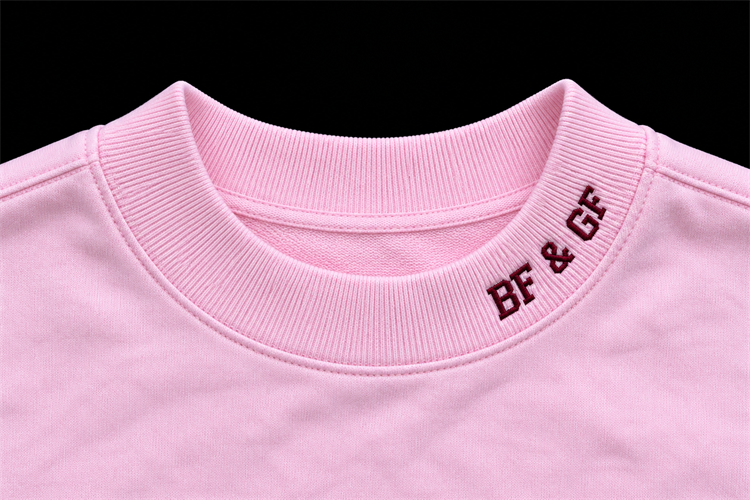
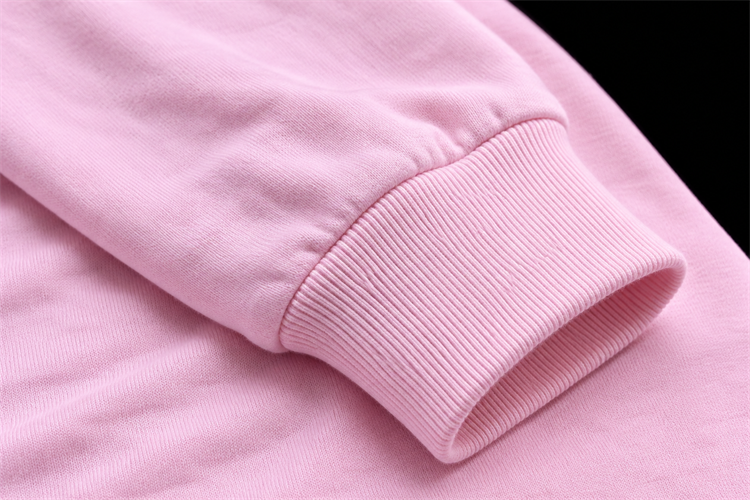
For a visual product reference, explore this 460 GSM oversized mock neck sweatshirt with appliqué lettering. Consider how the neckline, proportions and artwork contribute to the collection’s identity, then develop your own specifications and authorized designs.
3. Give Shared Styles and Channel Exclusives Different Roles
Decide early which products both channels can sell and which variations will be reserved for a particular launch or retail partner.
One possible collection structure is:
- Shared core: An established silhouette and color offered through the website and selected stockists.
- Direct retail exclusive: A limited artwork or seasonal shade developed for the brand’s own launch.
- Wholesale exclusive: A retailer-specific design or color arrangement agreed with that buyer.
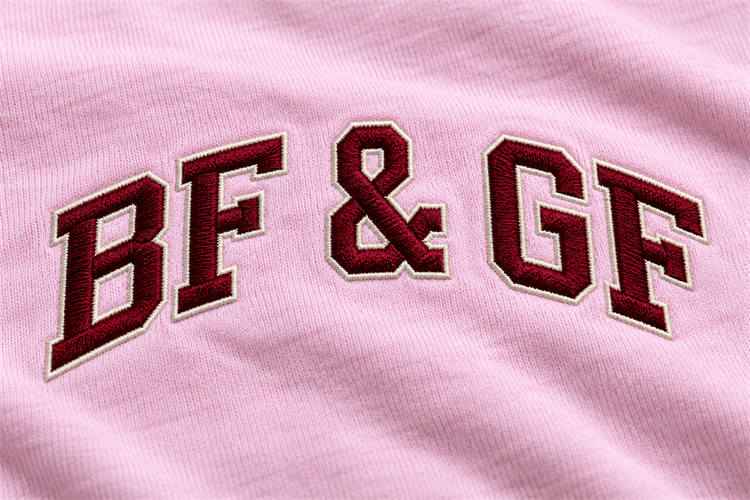
This is an assortment framework, not a required number of styles. The right structure depends on demand and feasible production quantities.
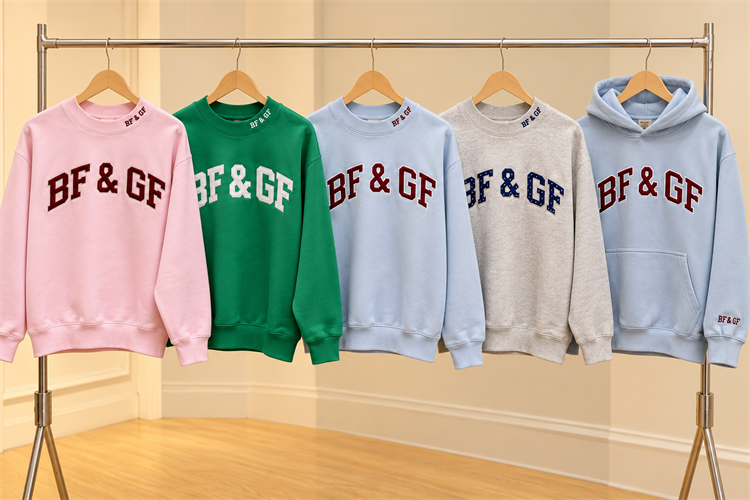
Record the scope of any exclusivity: design, color, territory, sales channel and duration. Identify who owns the artwork and who can authorize its use. A regional phrase or collegiate-style graphic still requires appropriate rights clearance where relevant.
Also define what makes an exclusive product distinct in the product records. Similar names and nearly identical artwork can create picking errors if the SKU system does not distinguish them clearly.
4. Check the Cost Against Both Selling Models
A sweatshirt that works at the brand’s direct retail price may leave insufficient margin when sold to a wholesale account.
Review the same proposed product through both channels before approving expensive materials or decoration. Include landed product cost and the variable costs associated with each sale.
For illustration only, consider a sweatshirt with a $24 landed unit cost, a $72 direct retail price and a $36 wholesale price. Product gross margin before other channel costs would be approximately 66.7% for direct retail and 33.3% for wholesale.
These figures are hypothetical, not KELLOGG prices or recommended margin targets. Direct retail still has payment fees, marketing, fulfillment and returns. Wholesale may involve commissions, freight allowances, payment terms or other deductions.
Use the comparison to set a realistic development cost limit. If a design exceeds it, ask for specific alternatives—such as a revised appliqué size or fewer embroidery colors—and review a sample before approving the change.
Give each version its own specification if the products intentionally differ. That keeps photographs, descriptions and buyer expectations aligned with what will actually be delivered.
5. Separate Production Quantities From Sales Allocation
The factory needs a manufacturable order. Your sales team needs stock assigned to the correct channel. Connect these records without treating them as interchangeable.
For example, an illustrative order of 600 identical navy crewnecks might allocate 240 units to direct retail and 360 to confirmed wholesale orders. The production requirement remains 600 units, with a complete size breakdown. The warehouse allocation identifies which units are available to each channel.
If the wholesale version has different artwork or construction, ask the manufacturer whether it requires a separate production breakdown and minimum. Selling through two channels does not automatically combine different products into one MOQ.
For detailed quantity planning, use our guide to planning a 2,000–5,000-piece custom apparel order across styles and colors.
Before launch, reconcile stock across accepted wholesale orders, customer pre-orders and inventory available for new sales. Define who can release reserved units so the same stock is not promised twice.
6. Approve the Garment and Its Channel Requirements
Product approval should establish what every customer receives. Channel instructions should establish how the correct product reaches each destination.
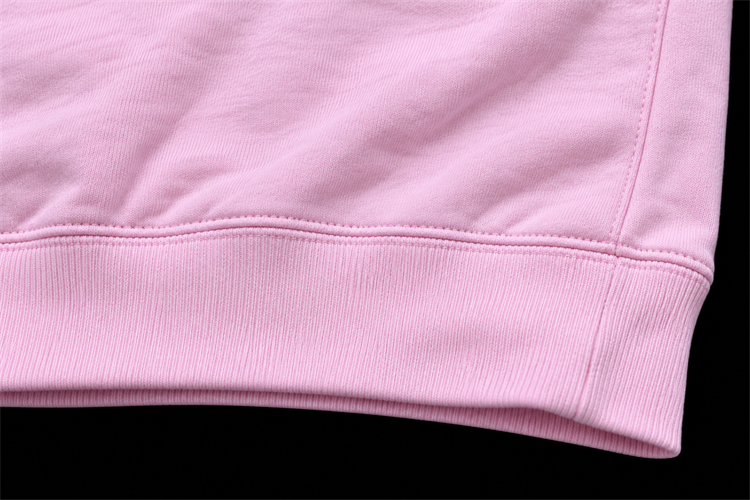
Maintain a master product specification covering fit, materials, construction and artwork. Add a separate packing or customer instruction sheet where a wholesale buyer requires particular barcodes, ticketing, size packs or carton markings.
Our guide to preparing a production-ready apparel tech pack explains how to organize the technical product information.
For the dual-channel collection, also verify that:
- Product names and SKU codes match the approved garment.
- Website and wholesale size information reflect the approved fit.
- Sales samples and photography represent the version being produced.
- Buyer-specific packing instructions are approved before packing begins.
- Any channel-specific product differences are documented and communicated.
These checks help prevent an approved garment from becoming a receiving or fulfillment problem.
7. Coordinate Launches With Wholesale Receiving Dates
A website launch date and a retailer’s receiving deadline may require different shipment plans.
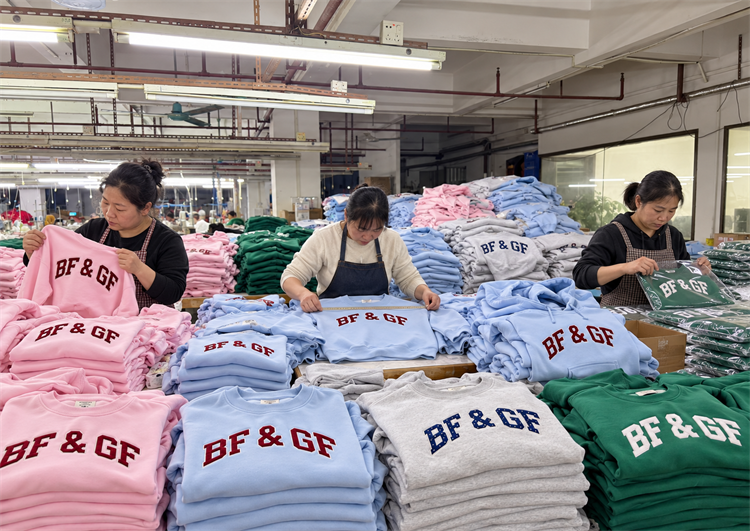
Build the schedule around when each channel needs usable stock. Include development approvals, material preparation, production, inspection, transport and receiving. Confirm whether split shipments are practical and how they affect cost.
If direct retail uses pre-orders, establish the production assumptions before publishing a customer shipping window. Wholesale commitments should likewise reflect the confirmed product and delivery plan.
Agree how delays will affect allocation. For example, if only part of a colorway is ready, decide whether shipping it provides a usable assortment or leaves a buyer without essential sizes.
KELLOGG’s apparel manufacturing support for wholesalers and distributors is relevant when discussing bulk supply and repeat production requirements.
8. Use Channel Results to Plan the Next Collection
After launch, review direct sales and wholesale feedback separately before combining them into a reorder decision.
A website bestseller may depend on a campaign that will not repeat. A strong opening wholesale order may not yet show consumer sell-through. Where retail partners can share it, replenishment demand and size-level sales feedback provide a stronger basis for the next order.
Identify which products should become repeatable core styles and which should remain seasonal. Then confirm the feasibility of the next production run.
For the technical controls behind replenishment, read how to keep best-selling apparel consistent across repeat orders.
Frequently Asked Questions
Q1. Can the same sweatshirt be sold through retail and wholesale? A: Yes, provided the product, pricing structure and supply arrangements support both channels. Define any exclusivity commitments and maintain clear inventory allocation so the same units are not sold against conflicting commitments.
Q2. Should every wholesale customer receive an exclusive design? A: That depends on the commercial agreement and production feasibility. Exclusives add artwork, approval and inventory requirements. A shared core assortment may be more suitable when demand does not justify separate variants.
Q3. Can retail and wholesale quantities share one production order? A: Potentially, when the garments have the same approved specification. Different artwork, colors, materials or construction may introduce separate requirements. Confirm minimums against the actual product breakdown.
Q4. What should a brand prepare before contacting a manufacturer? A: Prepare style references, fabric and fit direction, artwork, estimated quantities, channel allocation and required delivery dates. Identify confirmed orders separately from forecasts, and include any retailer-specific packing requirements.
Develop Your Sweatshirt Collection With KELLOGG
KELLOGG is based in Humen, Dongguan, China, and supports custom apparel development, sampling and bulk production for fashion, lifestyle and private-label brands.
If your next collection needs to serve direct customers and wholesale partners, share your core styles, proposed exclusives, quantity breakdown and target delivery windows. Include reference garments or tech packs where available, along with the specifications that still need development.
Discuss your retail and wholesale sweatshirt collection with KELLOGG to begin a project-specific review of sampling and production requirements. Final pricing, minimum quantities and timing depend on the confirmed specifications and order plan.
Share this article