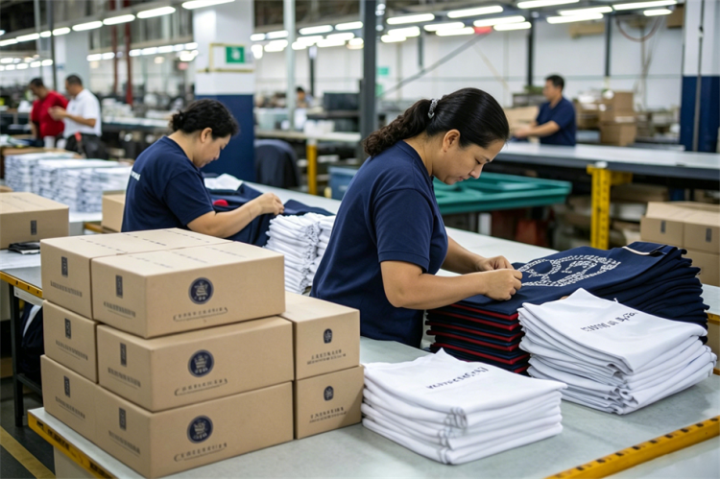
How Growing Streetwear Brands Choose the Right Clothing Manufacturer
Written by Aimee Xiang
Founder of Kellogg Fashion
Focused on heavyweight apparel manufacturing, fabric engineering, garment development, quality control, and scalable production.
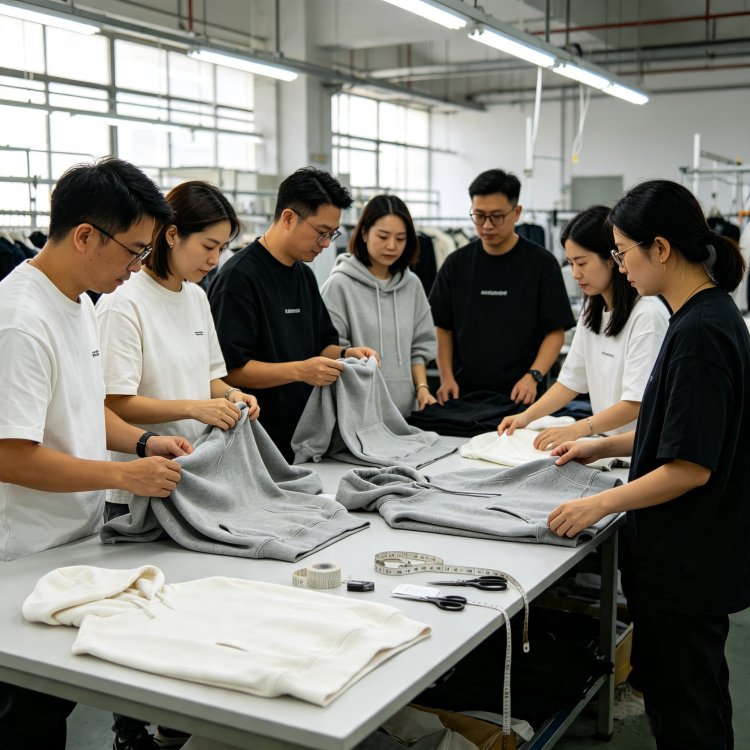
Scaling a premium streetwear brand requires more than creative designs and strong branding.
Behind every successful streetwear brand is a reliable manufacturing partner who can consistently deliver the right fabrics, construction quality, fit, and production standards.
However, choosing the right clothing manufacturer can be challenging. Many suppliers may offer low prices, but premium brands need more than just affordable production.
They need a manufacturer who understands their vision and can support long-term growth.
In this guide, we’ll explain the key factors premium streetwear brands should consider when selecting a clothing manufacturing partner.The streetwear manufacturing landscape is also evolving rapidly. For a deeper look at how production trends are changing and what emerging brands should consider for future growth, read our latest industry insight →
1. Look for a Manufacturer with Experience in Premium Streetwear Production
Not every clothing manufacturer specializes in premium streetwear.
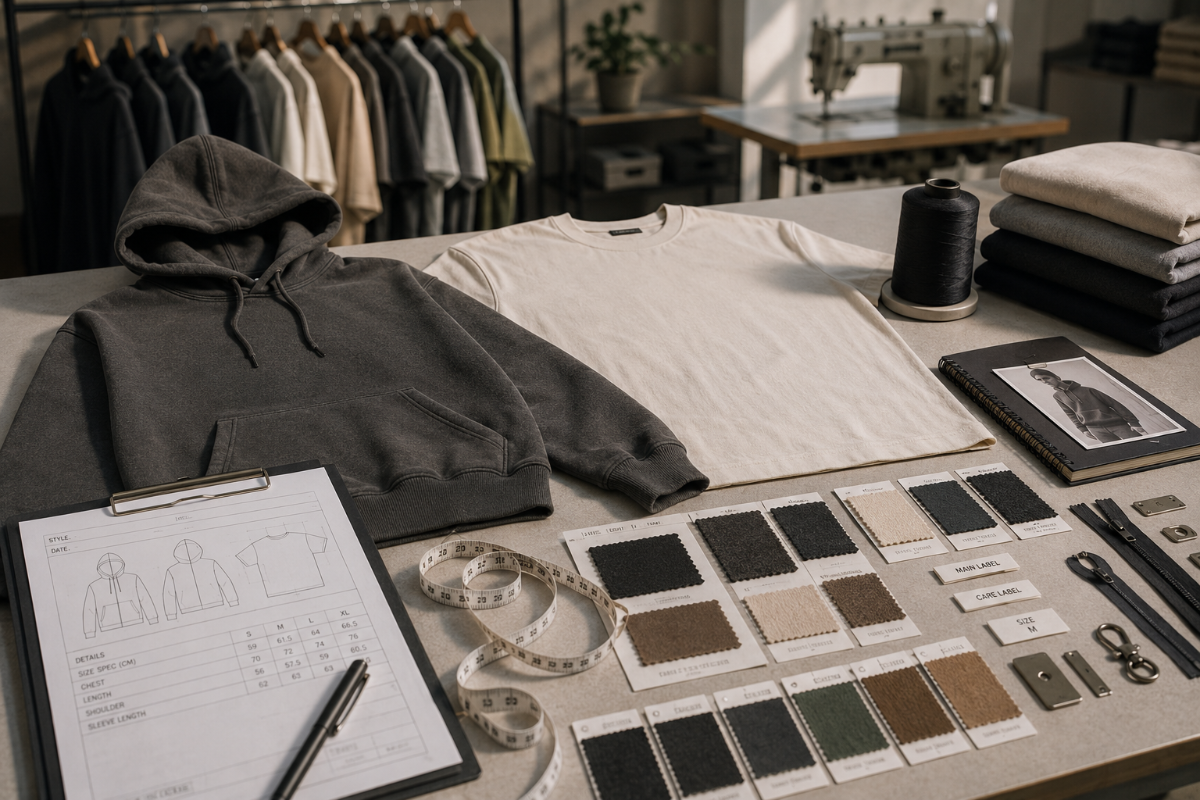
Streetwear brands often require specific production capabilities, including:
- Oversized and boxy silhouettes
- Heavyweight fabrics
- Drop shoulder construction
- Custom garment treatments
- High-quality embroidery and printing
- Detailed finishing techniques
A manufacturer experienced in premium streetwear understands that small details make a significant difference.
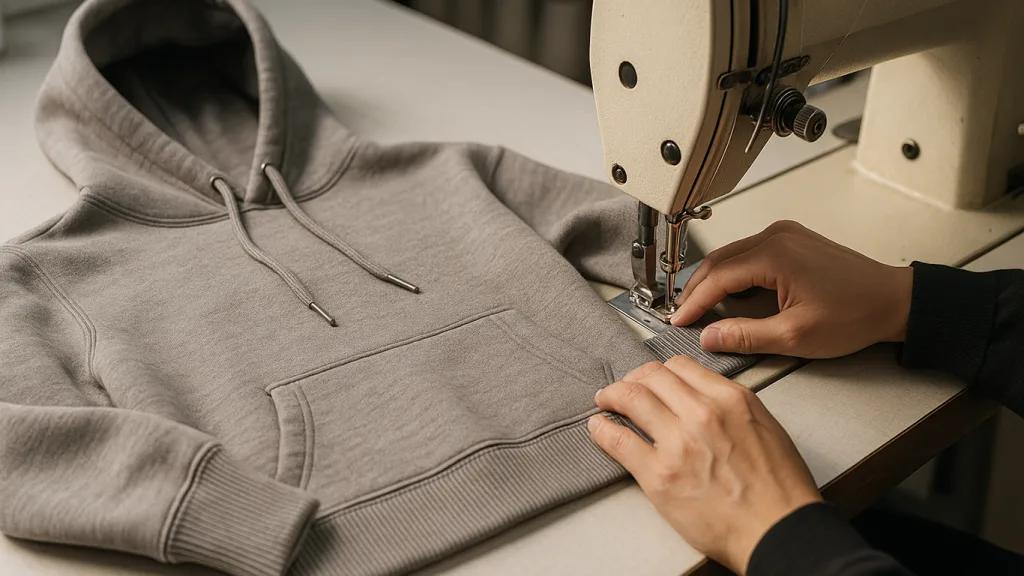
For example, producing a heavyweight hoodie requires careful control of:
- Fabric weight
- Shrinkage
- Stitching strength
- Rib construction
- Fit consistency
A supplier who mainly produces basic apparel may not have the experience needed for premium collections.
Before choosing a manufacturer, review their previous projects and confirm whether they have experience producing similar products.
2. Evaluate Fabric Sourcing and Material Expertise
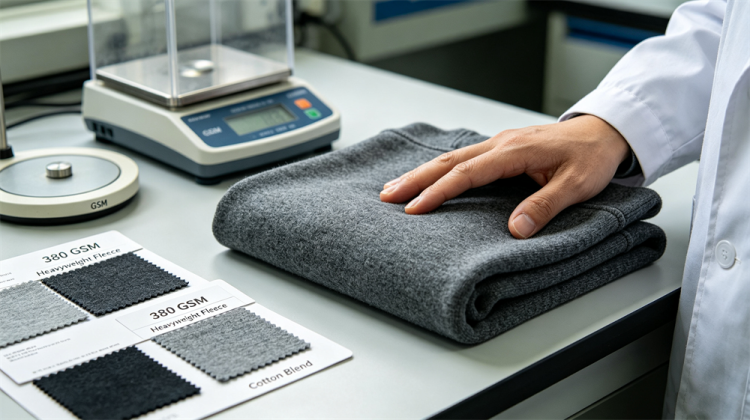
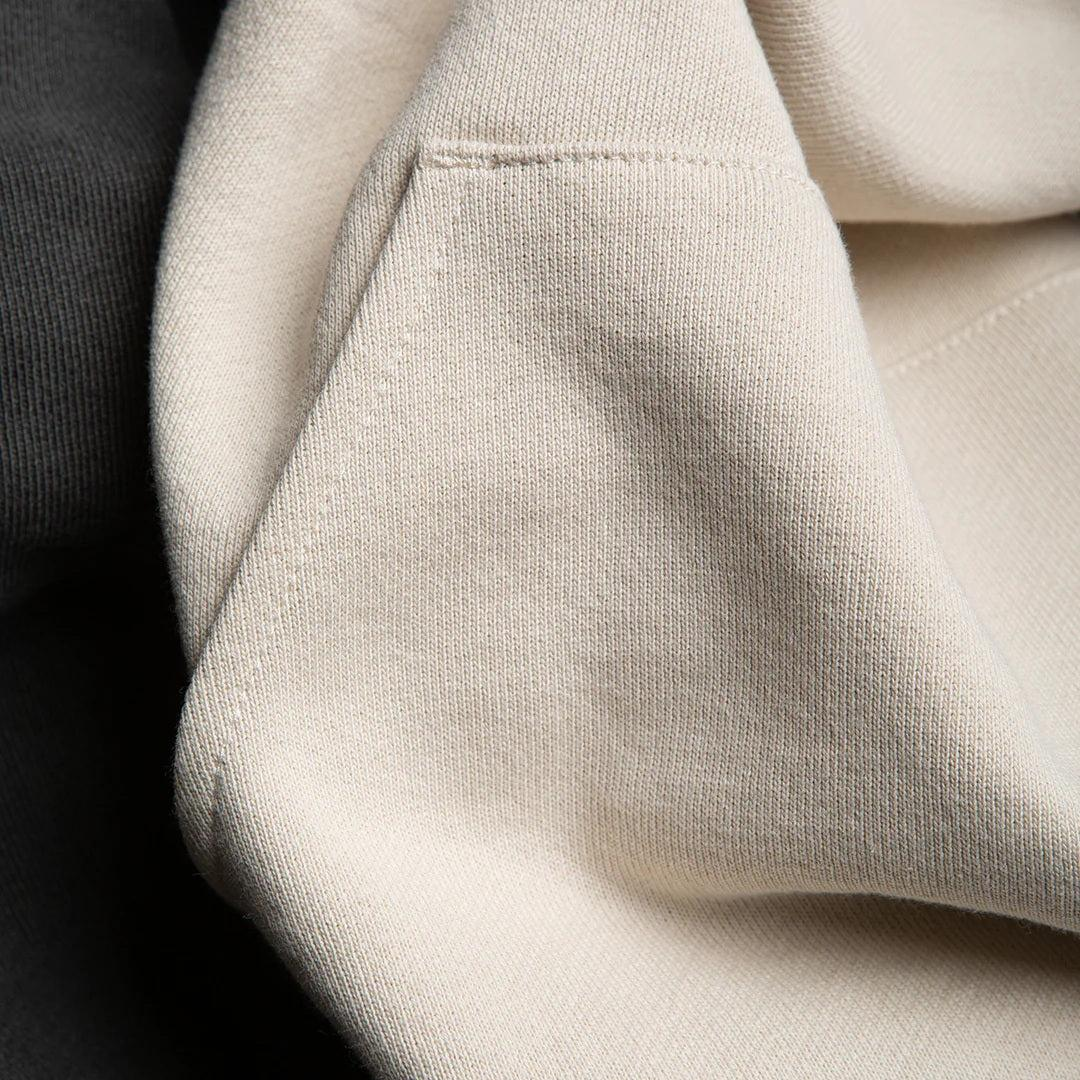
Fabric quality is one of the biggest differences between ordinary apparel and premium streetwear.
Premium brands often require:
- Heavyweight cotton fleece
- French terry fabrics
- High GSM materials
- Custom fabric development
- Soft hand feel and durability
A capable manufacturer should not only provide fabric options but also help brands select the right material based on:
- Target market
- Product positioning
- Season
- Price range
For example, heavyweight hoodies above 450 GSM create a different premium feel compared with standard hoodies.
However, higher GSM does not always mean better quality.
The fabric composition, knitting technique, finishing process, and garment construction all influence the final product.
3. Check Their Sampling and Product Development Process
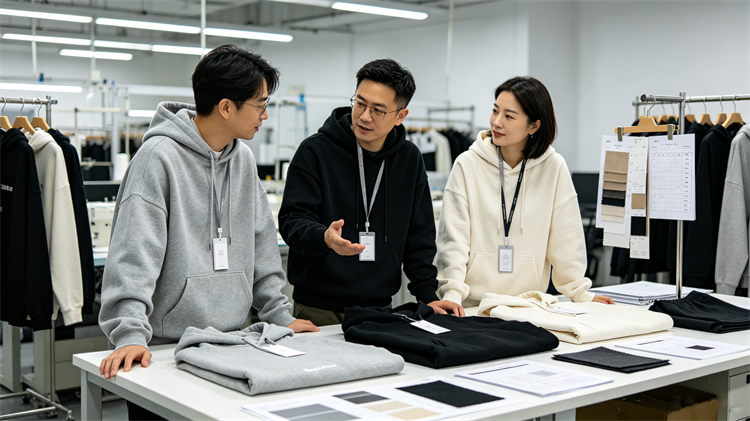
A professional manufacturer should have a clear sample development process.
Premium streetwear brands usually require multiple stages:
Initial Development
- Review tech packs
- Confirm fabrics
- Discuss construction details
Sample Production
- Create prototype samples
- Adjust measurements
- Improve fitting
Final Approval
- Confirm final specifications
- Prepare bulk production
A good manufacturing partner should provide professional feedback instead of simply making products based on instructions.
Their experience can help identify potential issues before mass production.
This reduces production risks and saves time during development. From concept to production:→
4. Understand Their MOQ and Production Scalability
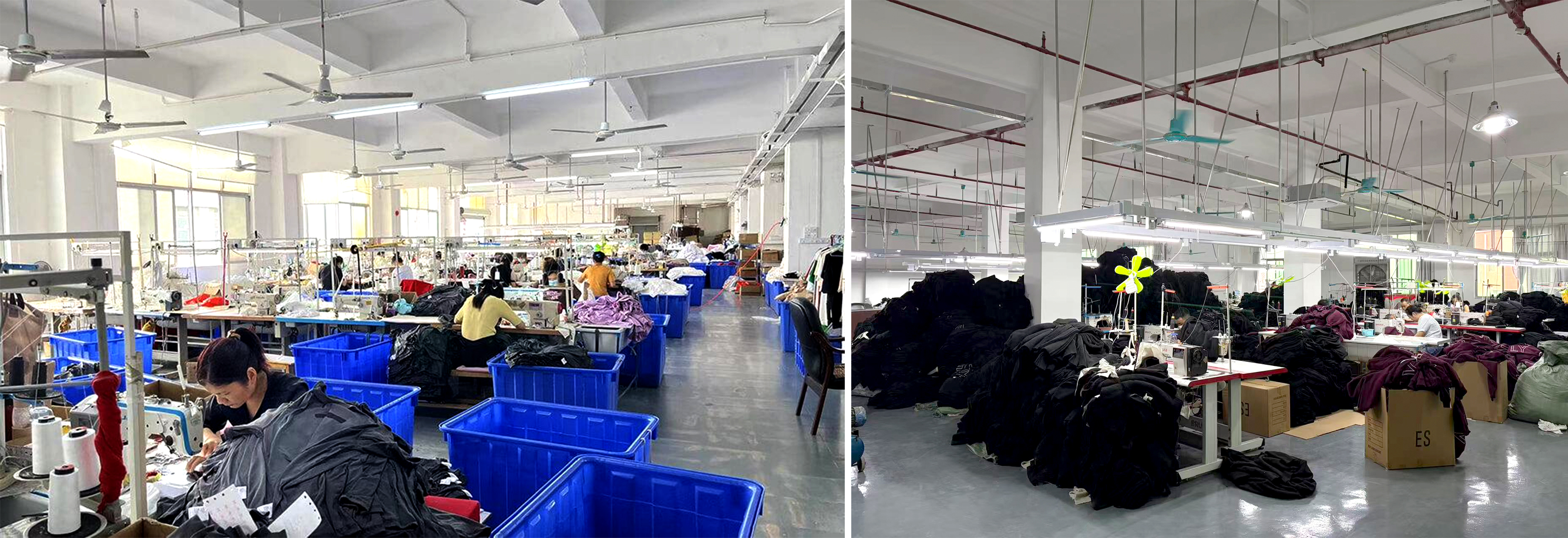
MOQ (Minimum Order Quantity) is an important factor when selecting a manufacturer.
Premium streetwear brands need a supplier that can support both initial collections and future growth.
A suitable manufacturing partner should offer:
- Flexible MOQ options
- Stable production capacity
- Consistent quality during repeat orders
For growing brands, the cheapest supplier is not always the best choice.For established and growing brands, production consistency and repeat-order reliability are often more important than the lowest MOQ. Growing brands should evaluate not only sampling capability, but also quality control during bulk production as order quantities increase.
A reliable manufacturer helps brands avoid:
- Production delays
- Quality inconsistency
- Unexpected costs
- Communication problems
The goal is not only to produce one collection, but to build a long-term manufacturing relationship.
5. Review Quality Control Standards
Quality control is essential for premium apparel brands.
A reliable manufacturer should have inspection processes throughout production.
Important quality checks include:
- Fabric inspection
- Measurement checking
- Sewing quality
- Printing and embroidery inspection
- Final garment inspection
Premium customers expect consistency.
A hoodie that fits perfectly in one production batch should maintain the same quality in future reorders.
This is why experienced brands focus on manufacturing reliability instead of only comparing prices.
6. Choose a Partner Who Communicates Clearly
Communication is often overlooked when selecting a clothing manufacturer.
A strong manufacturing partner should:
- Respond clearly and quickly
- Explain production limitations
- Provide realistic timelines
- Offer solutions during development
Especially for overseas manufacturing, communication directly affects project success.
The best supplier relationship is not just buyer and factory.
It is a collaboration between a brand team and a manufacturing partner.
Conclusion: The Right Manufacturer Helps Streetwear Brands Grow
Choosing a premium clothing manufacturer is one of the most important decisions for a streetwear brand.
The right partner should provide:
- Premium fabric options
- Strong product development experience
- Reliable quality control
- Flexible production support
- Long-term collaboration
A manufacturer should not only produce your designs.
They should help you bring your brand vision into reality and support your growth as your collections expand.
At Kellogg Apparel, we work with growing streetwear brands to develop premium heavyweight apparel, from initial sampling to bulk production.
Looking for a reliable manufacturing partner for your next collection?
Submit your project inquiry and let’s discuss your production needs.
Partner with a Premium Streetwear Clothing Manufacturer
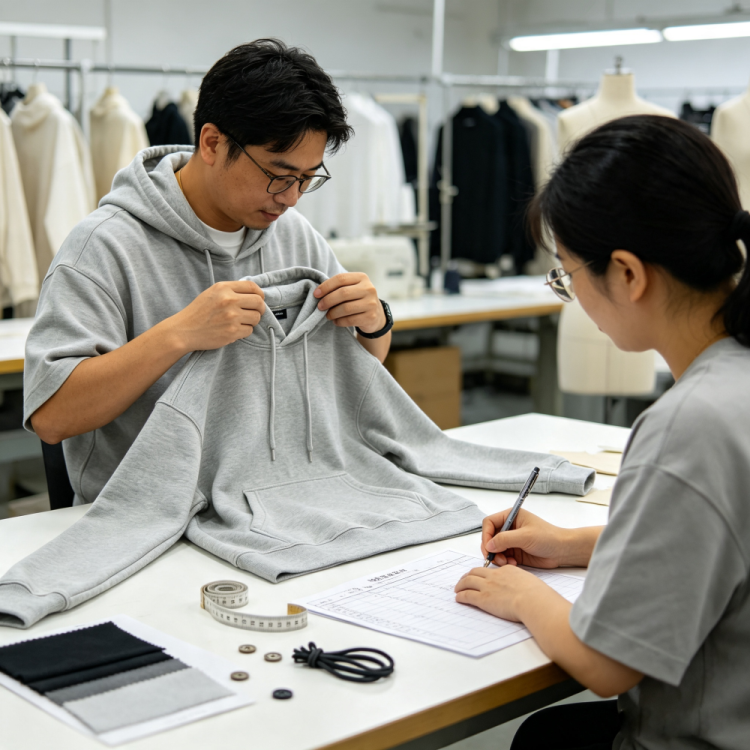
Finding the right manufacturing partner is one of the most important decisions for a growing streetwear brand.
At Kellogg Apparel, we help brands transform their ideas into high-quality apparel collections through professional product development, premium fabric sourcing, and reliable bulk production.
Our manufacturing capabilities include:
- Heavyweight hoodies and sweatshirts
- Oversized streetwear silhouettes
- Custom cut and sew apparel
- Premium embroidery and printing
- Private label clothing production
- Flexible solutions for growing brands
From initial sampling to final production, our team works closely with brands to ensure consistent quality, accurate specifications, and smooth communication throughout the manufacturing process.
Whether you are developing your first collection or scaling an existing streetwear line, Kellogg Apparel provides the production expertise needed to bring premium apparel concepts to life. Premium streetwear clothing manufacturer →
Frequently Asked Questions
Q1. What should streetwear brands look for in a clothing manufacturer?
A: A reliable streetwear manufacturer should have experience with premium apparel production, heavyweight fabrics, custom development, quality control, and consistent bulk manufacturing.
Q2. How do I know if a clothing manufacturer is suitable for my streetwear brand?
A: Brands should review the manufacturer's previous projects, production capabilities, fabric options, sample quality, MOQ requirements, and communication process before making a decision.
Q3. What fabrics do premium streetwear brands usually use?
A: Premium streetwear brands commonly use heavyweight cotton fleece, French terry, high GSM fabrics, and custom-developed materials to achieve better structure, comfort, and durability.
Q4. What is the typical MOQ for a streetwear clothing manufacturer?
A: MOQ varies depending on the product type, fabric requirements, colors, and customization level. Growing brands should choose manufacturers that can support both initial collections and future scaling.
Q5. Should I choose a manufacturer based only on price?
A: No. The lowest price does not always provide the best value. Premium brands should consider quality consistency, production reliability, communication, and long-term partnership potential.
Q6. How important is the sample development process?
A: The sampling process is critical because it allows brands to test fabric, fit, construction, and finishing details before bulk production begins.
Q7. Can a clothing manufacturer help improve my product design?
A: Yes. Experienced manufacturers can provide suggestions on fabric selection, construction methods, measurements, and production feasibility to improve the final product.
Q8. How long does streetwear production usually take?
A: Production timelines depend on product complexity, sampling approval, materials, and order quantity. A professional manufacturer should provide a clear production schedule before starting bulk production.
Q9. What quality checks should a streetwear manufacturer provide?
A: A reliable manufacturer should check fabric quality, garment measurements, stitching, printing or embroidery details, and final product appearance before shipment.
Q10. Why should growing streetwear brands work with a long-term manufacturing partner?
A: A long-term manufacturing partner helps brands maintain consistent quality, improve production efficiency, and scale future collections with fewer risks.
Share this article