Moving an Existing Apparel Collection to a New Manufacturer: What Brands Should Prepare
Written by Aimee Xiang
Founder of Kellogg Fashion
Focused on heavyweight apparel manufacturing, fabric engineering, garment development, quality control, and scalable production.
Introduction
When a product already sells, changing manufacturers creates a specific challenge: maintaining the fit, fabric feel and details customers expect while resolving the problems that prompted the move.
For established lifestyle brands, a successful transfer starts with a clear product reference and an agreed development plan. A photograph and an instruction to “make the same” leave too many decisions open.
1. Identify What Must Stay the Same
Separate the product features you want to preserve from the changes you want to make.
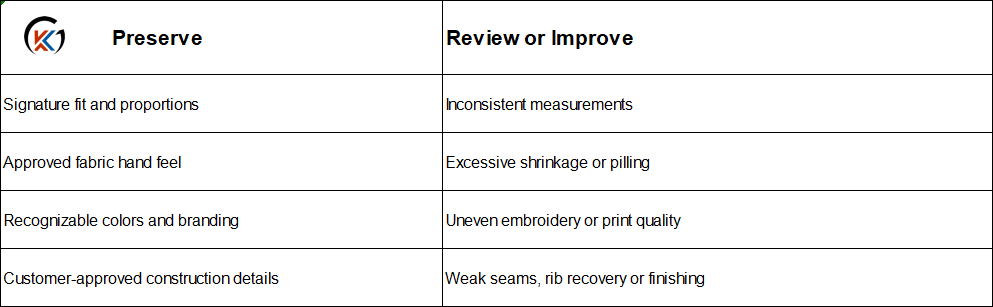
Be specific. “Improve the quality” does not tell a manufacturer whether the priority is fabric density, collar shape, stitching or decoration.
Changing several features at once can make it harder to assess the new sample. For a bestselling style, agree on the essential product standards first, then evaluate proposed improvements.
2. Send a Representative Garment and Current Specifications
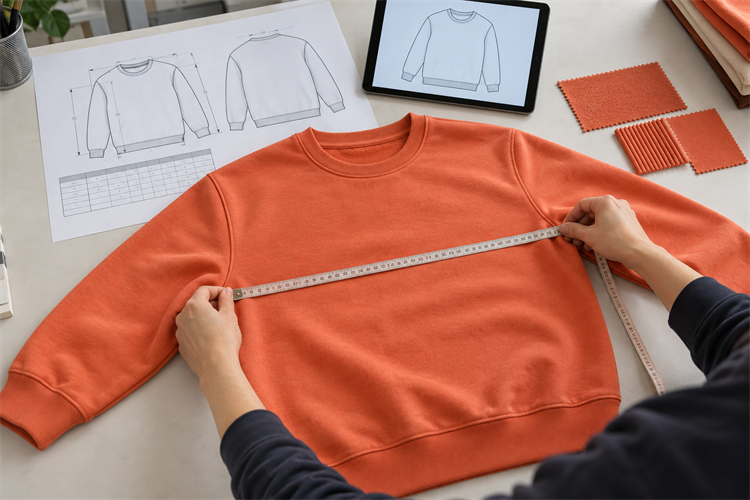
Choose a reference garment from a production batch you are satisfied with. If the latest batch has problems, provide it separately and explain the differences.
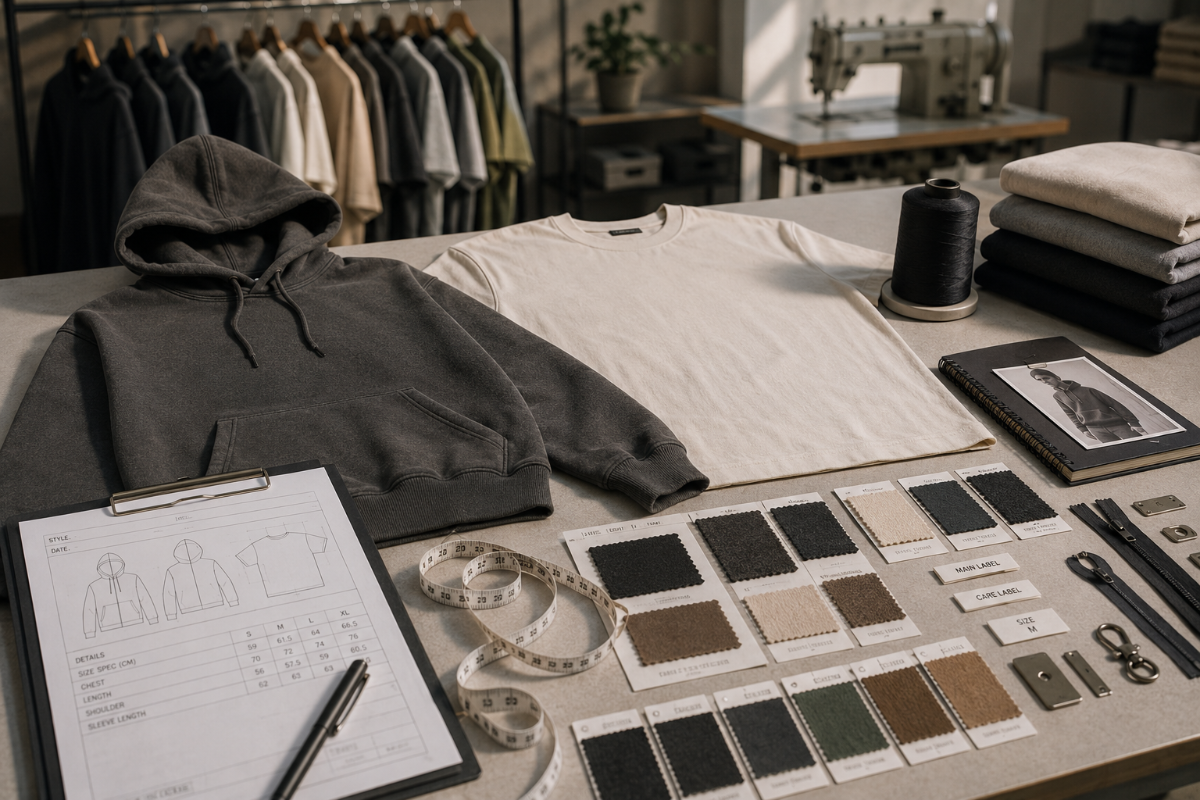
A useful transfer package includes:
- A reference garment and the size it represents
- Current measurements and size grading, where available
- Fabric composition, GSM and finishing requirements
- Color references and approved decoration details
- Labels, trims and packaging specifications
- A short list of known problems and requested improvements
A worn garment may help communicate fit, but washing and wear can change its measurements and surface. Identify its condition so the manufacturer knows how to interpret it.
If specifications are incomplete, our production-ready apparel tech pack guide explains the information needed to turn a reference garment into a usable production brief.
3. Confirm Fabric Matching Before Assuming an Exact Repeat
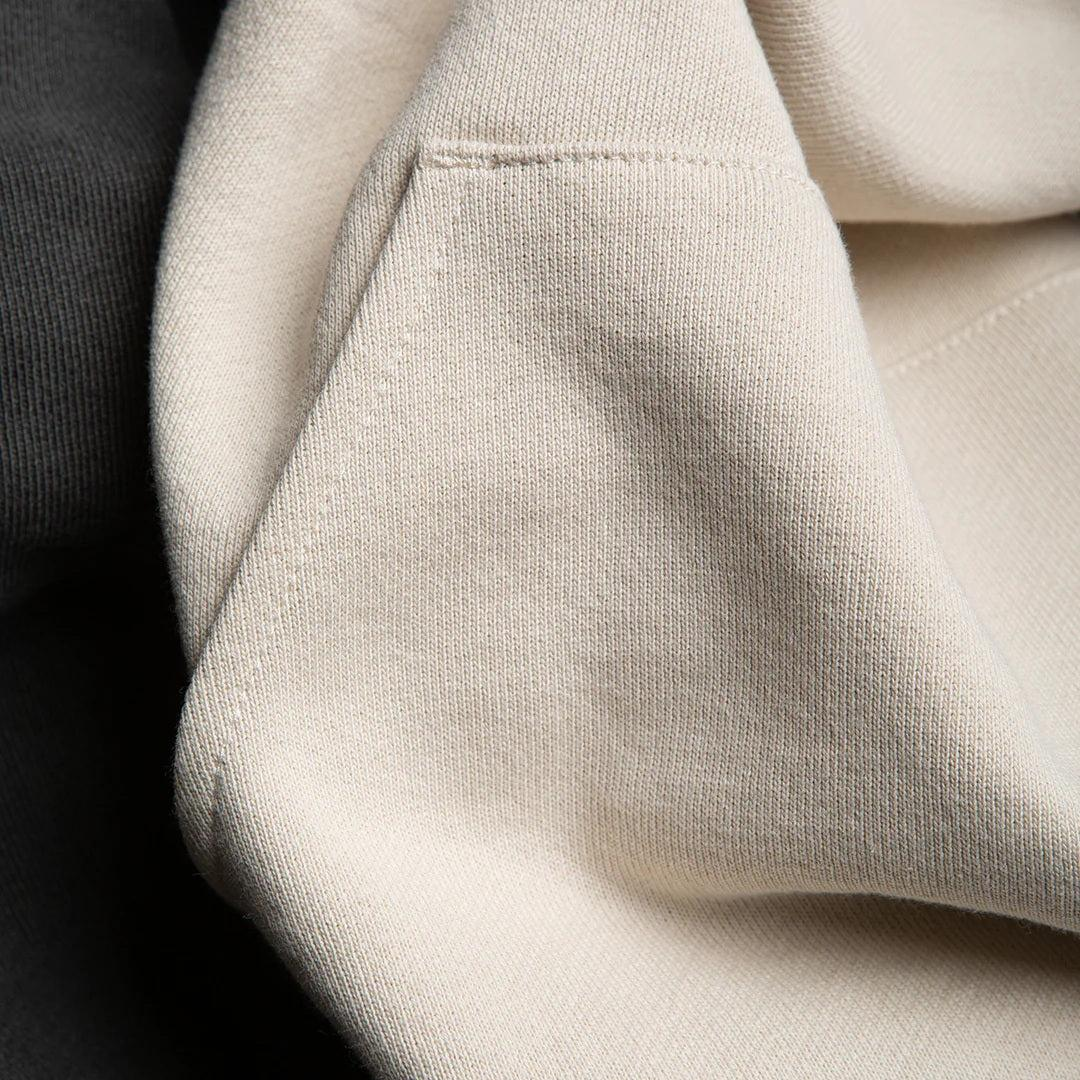
The same composition and GSM do not automatically produce the same fabric. Yarn, knitting structure and finishing can change the hand feel, drape and appearance.
Your original fabric may also be unavailable from the new manufacturer’s supply chain. Ask which characteristics can be matched and which require a proposed alternative.
For a signature crewneck, evaluate the main fabric together with the neckline, cuffs and hem. Our custom sweatshirt manufacturing capabilities cover how these elements are developed through physical sampling.
Approve an alternative against the product qualities that matter to your customers—not simply a similar fabric description.
4. Compare the New Sample Against the Agreed Reference
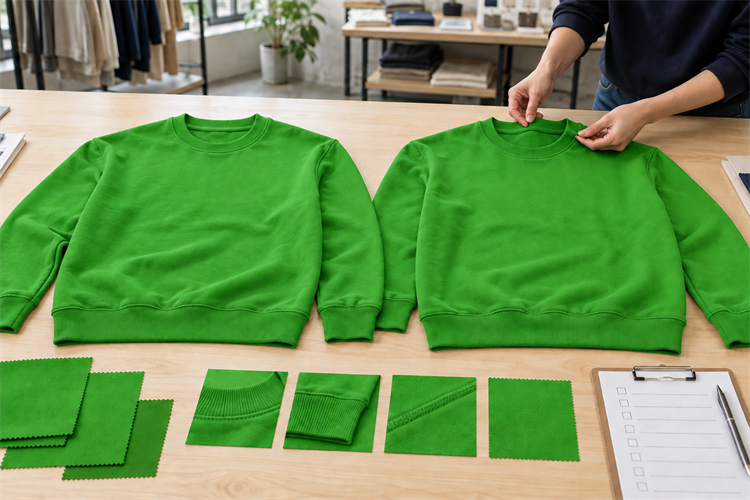
A transfer sample should be assessed side by side with the reference garment.
Check finished measurements, fit on the intended wearer, fabric feel, neckline shape, rib recovery, decoration placement and appearance after the agreed wash assessment. Confirm whether each difference is acceptable, requires correction or represents an intentional improvement.
Record approvals in the updated specification. Comments spread across emails and photographs can create conflicting instructions.
The approved sample must then become a standard for bulk production. Our sample-to-bulk quality consistency case study shows how fabric references, measurements and workmanship requirements connect to production control.
5. Plan the First Order Around Your Restock Needs
Provide quantities by style, color and size, together with current stock coverage and the date the new batch needs to reach your warehouse.
Keep these dates separate:
Sample completion and approval
Bulk production completion
Shipping and warehouse arrival
Avoid committing your entire restock schedule before the transfer sample is approved. Materials, revisions and shipping must all fit the commercial timeline.
Our 200-piece custom apparel order planning guide explains how to organize style, color and size quantities for review.
Discuss Your Collection Transfer With KELLOGG
KELLOGG is a B2B premium apparel manufacturer based in Humen, Dongguan, China, supporting custom-developed apparel for established and growing brands.
For a collection transfer, share your existing styles, available reference garments, specifications, improvement priorities and next order plan. Our lifestyle apparel manufacturing services support coordinated collections, signature fits and repeat-order planning.
Frequently Asked Questions
Q1. Can a new manufacturer reproduce my existing bestselling garment?
A: A reference garment and clear specifications provide the starting point. The achievable match must be evaluated through fabric review and sampling before bulk production is confirmed.
Q2. Do I need a tech pack if I have a physical sample?
A: A sample communicates appearance and feel, but documented measurements, materials and details help establish a repeatable production standard. Provide both when available.
Q3. Which garment should I send as the reference?
A: Send a garment from an approved batch that represents the result you want. Label defective or inconsistent examples separately.
Q4. Can I keep the same fit while upgrading the fabric?
A: That should be assessed through sampling. A different fabric can change drape, shrinkage and the finished silhouette, even when the measurements remain similar.
Q5. Can the new manufacturer match my existing colors?
A: Provide an approved physical color reference. Matching feasibility depends on the fabric and finishing process and should be confirmed through the relevant color approval.
Q6. Should I transfer the entire collection at once?
A: Start with clearly defined priority styles. Approving a core product first can help establish the fabric, fit and branding standards for the wider transfer.
Q7. What information is needed to plan the first bulk order?
A: Provide quantities per style and color, size breakdowns, specifications, packaging requirements, destination and required warehouse arrival date.
Q8. Can I receive a final price based only on my existing product photos?
A: Photos alone do not establish the complete cost. Final pricing requires confirmed materials, construction, decoration and finishing through sample development.
Share this article