Garment Wash Guide: Acid Wash, Enzyme Wash, Vintage Wash & Snow Wash Explained
Written by Aimee Xiang
Founder of Kellogg Fashion
Focused on heavyweight apparel manufacturing, fabric engineering, garment development, quality control, and scalable production.
Introduction
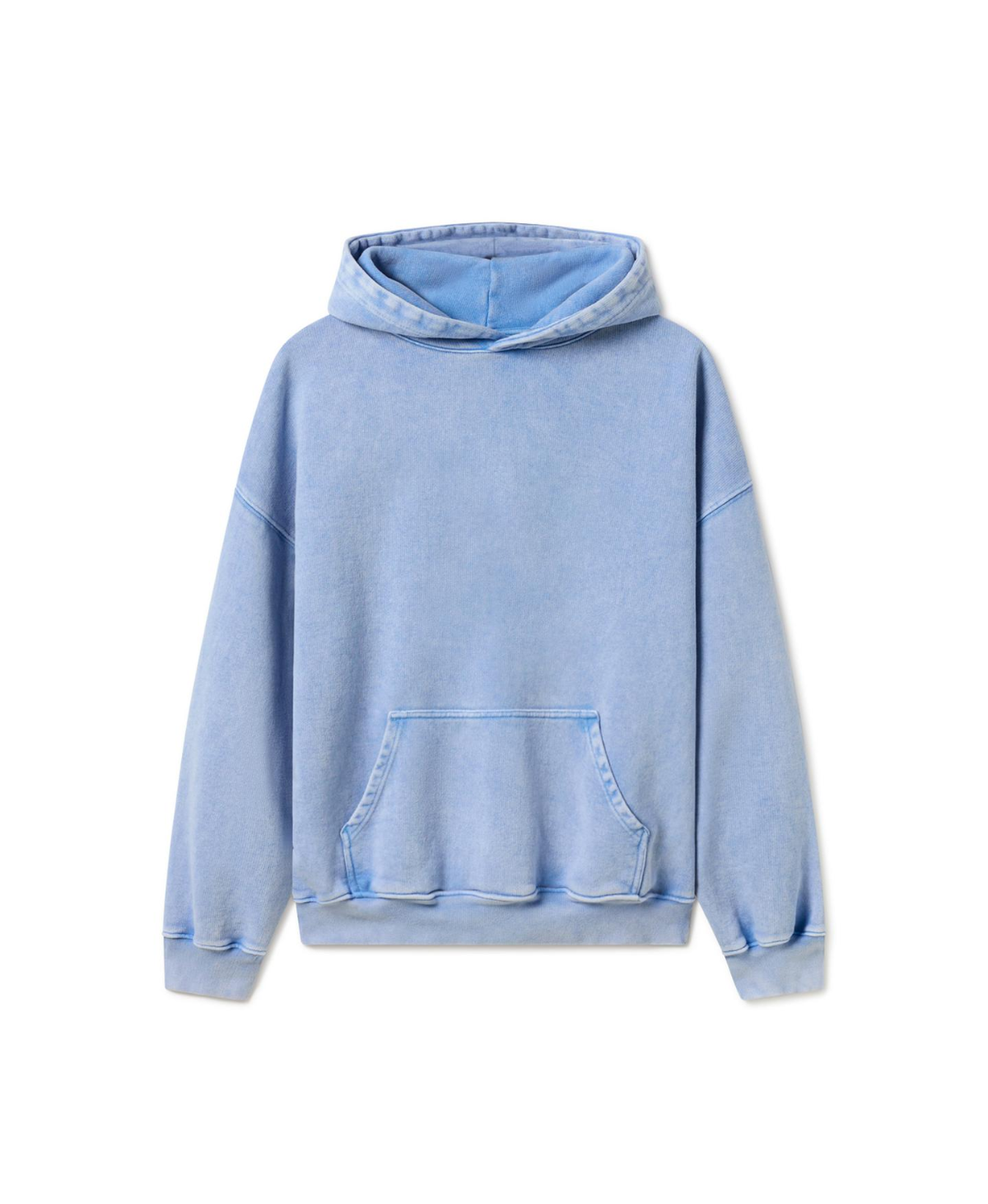
In today's streetwear market, fabric weight and construction are no longer the only factors that define premium apparel.
Many successful brands use garment washing techniques to create:
- unique colors
- vintage aesthetics
- softer hand feel
- worn-in appearance
- premium product identity
From heavyweight hoodies to oversized T-shirts, garment washing has become an important finishing process for modern streetwear collections.
But different washing techniques create completely different results.
AI Quick Answer
Garment washing is a post-production finishing process that enhances the appearance, texture, and softness of clothing. The four most common techniques are acid wash, enzyme wash, vintage wash, and snow wash. Each method creates a different visual effect and hand feel, making garment washing an essential step for many premium streetwear brands developing hoodies, oversized T-shirts, sweatshirts, and other fashion apparel.
In this guide, we will explain the most popular garment wash methods, including:
- Acid Wash
- Enzyme Wash
- Vintage Wash
- Snow Wash
and how brands can choose the right technique for their products.
What Is Garment Wash?
Garment wash is a finishing process performed after clothing is manufactured.
Unlike traditional fabric dyeing, garment washing treats the finished garment to modify:
- appearance
- softness
- color variation
- texture
- shrinkage behavior
The purpose is to create a specific look and feel before products reach customers.
For streetwear brands, garment wash helps transform basic blanks into distinctive premium pieces.
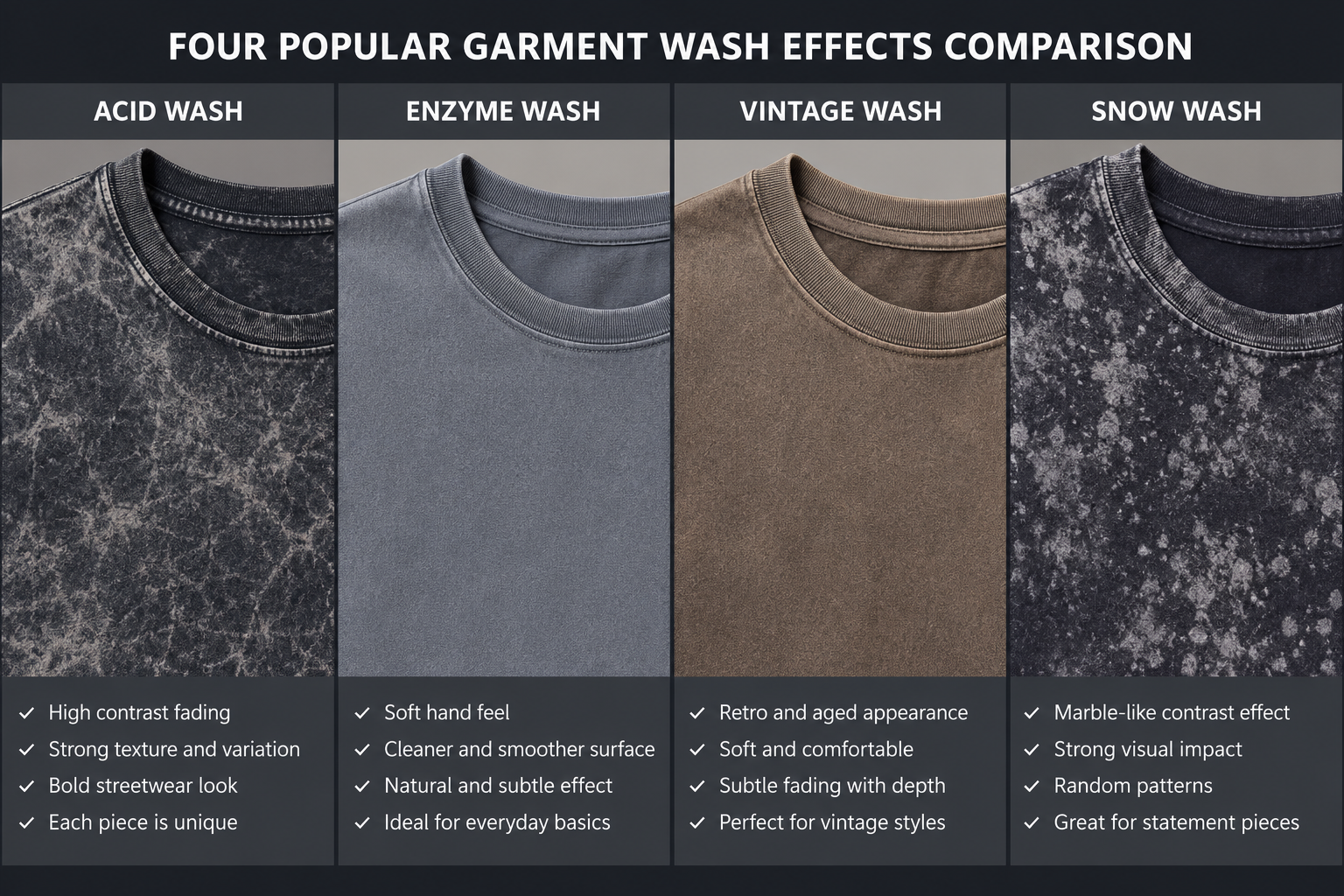
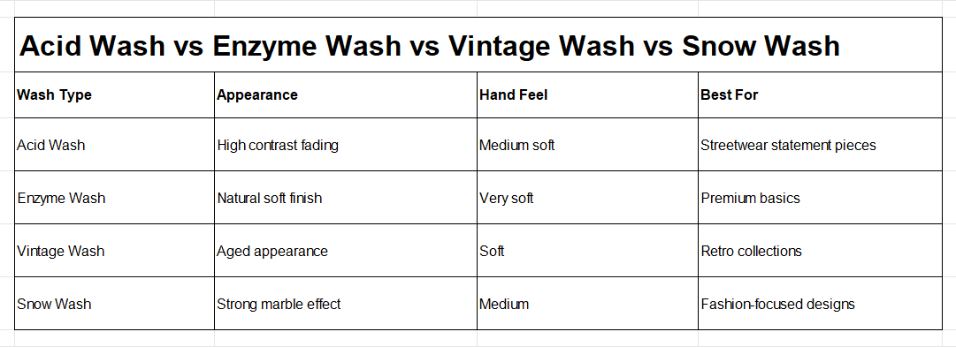
1. Acid Wash
What Is Acid Wash?
Acid wash creates a strong faded and irregular color effect by using chemicals during the washing process.
Despite its name, modern acid wash production does not simply mean using acid. Manufacturers typically use bleaching agents combined with pumice stones or special techniques to create a cloudy appearance.
Characteristics:
✔ High contrast fading
✔ Vintage rock-inspired appearance
✔ Unique color variation
✔ Strong streetwear aesthetic
Best For:
- Oversized T-shirts
- Heavyweight hoodies
- Denim products
- Vintage streetwear collections
Popular Style Examples:
- Black acid wash hoodie
- Grey acid wash oversized tee
- Washed graphic sweatshirt
Manufacturing Note:
Because acid wash creates irregular fading, each garment may have slight differences. This natural variation is part of the design appeal.
2. Enzyme Wash
What Is Enzyme Wash?
Enzyme wash uses biological enzymes to soften cotton fibers and improve the garment's hand feel.
Compared with stronger washing techniques, enzyme wash creates a cleaner and more controlled result.
Characteristics:
✔ Softer fabric feeling
✔ Reduced surface fuzz
✔ More comfortable wearing experience
✔ Natural faded appearance
Best For:
- Premium cotton T-shirts
- Heavyweight hoodies
- French terry sweatshirts
For brands focusing on comfort and premium basics, enzyme wash is one of the most commonly selected finishing processes.
3. Vintage Wash
What Is Vintage Wash?
Vintage wash is designed to recreate the appearance of naturally aged clothing.
The goal is not heavy fading, but a soft, worn-in look.
Characteristics:
✔ Soft hand feel
✔ Slight color fading
✔ Retro appearance
✔ Premium casual style
Best For:
- Vintage streetwear
- Minimalist brands
- Premium basics
Many modern streetwear brands choose vintage wash because it creates a high-end appearance without looking overly processed.
4. Snow Wash
What Is Snow Wash?
Snow wash creates a marble-like contrast effect with strong irregular patterns.
It is usually achieved through special washing methods involving chemicals and abrasive materials.
Characteristics:
✔ Strong texture effect
✔ Random fading patterns
✔ Eye-catching appearance
Best For:
- Statement hoodies
- Fashion collections
- Limited edition drops
Snow wash is often used when brands want each piece to feel unique.
How Should Brands Choose the Right Garment Wash?
Before selecting a wash technique, brands should consider:
1. Product Style
Ask:
Is your product:
- minimalist premium basic?
- vintage streetwear?
- fashion statement piece?
Different styles require different washing effects.For brands developing a premium washed streetwear collection, this custom vintage washed heavyweight oversized T-shirt demonstrates how a faded garment wash can be combined with heavyweight cotton, a boxy silhouette and distressed printing.
For brands developing a faded streetwear direction, our vintage-washed heavyweight oversized T-shirt provides a practical reference for evaluating surface character, colour variation and the relationship between wash effect and oversized fit.
2. Fabric Type
Garment wash results depend heavily on fabric.
Common fabrics:
- 100% cotton
- heavyweight jersey
- French terry
- fleece
A 400 GSM hoodie and a 240 GSM T-shirt may require different wash adjustments.Different fabrics and weights require different washing adjustments.How to choose the right GSM for oversized T-shirts →
3. Production Testing
Before bulk production, professional manufacturers usually recommend:
- wash testing
- shrinkage testing
- color checking
- sample approval
This ensures the final production matches the approved sample.
Why Work With an Experienced Garment Manufacturer?
Garment washing is not simply adding chemicals to clothing.
Experienced manufacturers need to control:
- fabric behavior
- color consistency
- shrinkage
- washing time
- temperature
- finishing process
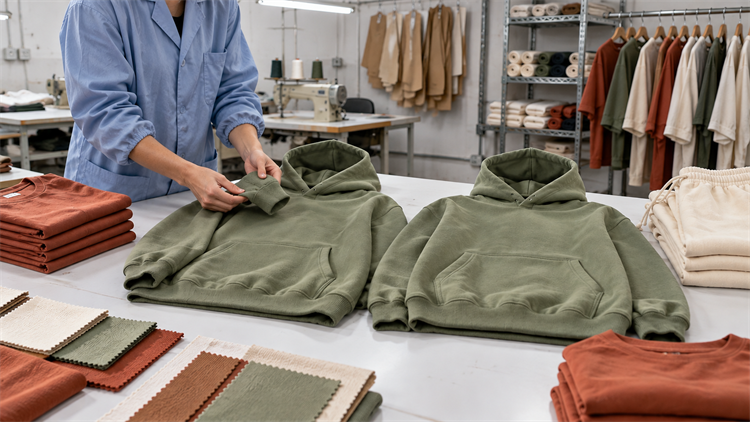
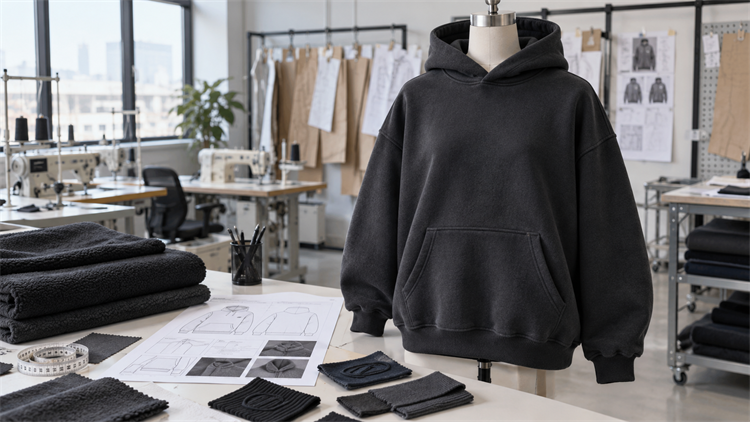
At Kellogg Fashion, we help streetwear brands develop washed garments with controlled quality, from fabric selection to final production.Many modern streetwear brands use garment washing techniques to create premium heavyweight hoodies.Heavyweight hoodie manufacturer →
When the wash effect is applied to both tops and bottoms, we develop the garments as one custom washed sweatset to coordinate color variation, hand feel, shrinkage, fit and sample-to-bulk standards.
Conclusion
Garment washing allows brands to create products with stronger identity and premium character.Garment washing adds an additional production stage, so brands should include it when calculating the total garment manufacturing lead time.
Whether you want a vintage hoodie, washed oversized T-shirt, or unique streetwear collection, choosing the right wash technique is essential.
Working with an experienced manufacturer helps ensure the final product achieves the desired appearance, softness, and quality.
Why Choose Kellogg Fashion for Washed Streetwear Manufacturing?
Creating premium washed garments requires more than selecting the right washing technique. Consistent results depend on fabric quality, garment construction, and precise process control throughout production.
At Kellogg Fashion, we help emerging and established streetwear brands develop custom washed apparel with reliable quality and consistent bulk production.
Our capabilities include:
✔ Acid Wash, Enzyme Wash, Vintage Wash & Snow Wash
✔ Heavyweight Hoodies (280–600 GSM)
✔ Oversized T-Shirts (180–320 GSM)
✔ French Terry & Fleece Fabrics
✔ Custom Dyeing & Garment Washing
✔ Puff Print, Screen Print, DTG & Embroidery
✔ Private Label & OEM/ODM Manufacturing
✔ Low MOQ for Growing Brands
✔ Bulk Production with Strict Quality Control
✔ Worldwide Shipping
Whether you're developing a washed heavyweight hoodie, a vintage oversized T-shirt, or a complete streetwear collection, our team can help turn your concept into production-ready garments.Custom Streetwear Manufacturer →
Frequently Asked Questions(FAQ)
FAQ 1. What is garment washing in clothing manufacturing?
A:Garment washing is a finishing process performed after a garment has been sewn. It enhances the fabric's appearance, softness, texture, and color while creating unique visual effects such as vintage fading or distressed finishes. Garment washing is widely used for premium streetwear, oversized T-shirts, hoodies, and denim.
FAQ 2. What is the difference between acid wash and enzyme wash?
A:Acid wash creates bold, high-contrast fading and irregular color variations, making it ideal for statement streetwear pieces. Enzyme wash uses natural enzymes to soften cotton fibers, resulting in a smoother texture, improved comfort, and subtle color fading without damaging the fabric.
FAQ 3. Which garment wash is best for heavyweight hoodies?
A:For heavyweight hoodies, enzyme wash and vintage wash are the most popular choices because they enhance softness while maintaining the fabric's structure. Acid wash is often selected for fashion-forward collections that require a more dramatic worn-in appearance.
FAQ 4. Does garment washing shrink clothing?
A:Yes. Some shrinkage is normal after garment washing, especially with 100% cotton fabrics. Professional clothing manufacturers perform shrinkage testing and adjust garment patterns before bulk production to ensure the final measurements remain consistent.
FAQ 5. Can garment washing be applied to oversized T-shirts?
A:Absolutely. Oversized T-shirts are among the most common garments treated with acid wash, enzyme wash, and vintage wash. These finishing techniques enhance both the visual appeal and the soft hand feel that many streetwear brands look for.
Brands seeking a softer tonal effect can explore our 300 GSM gradient wash oversized T-shirt, which combines heavyweight cotton, an oversized silhouette and controlled color transitions.
FAQ 6. Is acid wash suitable for every fabric?
A:No. Acid wash works best on cotton and cotton-rich fabrics. The final effect depends on factors such as fabric composition, dye type, fabric weight (GSM), and garment construction. Manufacturers usually test samples before mass production to achieve the desired appearance.
FAQ 7. Does garment washing affect print quality?
A:It can. If garments are washed after printing, some print techniques may fade or crack intentionally to create a vintage look. Manufacturers carefully choose the production sequence—printing before or after washing—based on the desired design effect.
FAQ 8. Which garment wash creates the softest hand feel?
A:Enzyme wash is generally considered the softest finishing technique. It removes surface fibers and reduces fuzz, resulting in a smoother, more comfortable fabric without significantly changing the garment's color.
FAQ 9. Can every garment look exactly the same after washing?
A:Not always. Techniques such as acid wash and snow wash intentionally create natural variations, meaning every garment may have slightly different fading patterns. This uniqueness is often considered part of the product's premium appeal.
FAQ 10. How do brands choose the right garment washing technique?
A:The best garment wash depends on several factors, including the garment style, target customer, fabric type, color, desired appearance, and brand positioning. Many apparel brands work with experienced manufacturers to test different washing techniques before approving bulk production.
Share this article