How to Choose the Right GSM for Oversized T-Shirts: A Complete Guide for Streetwear Brands
Written by Aimee Xiang
Founder of Kellogg Fashion
Focused on heavyweight apparel manufacturing, fabric engineering, garment development, quality control, and scalable production.
Introduction
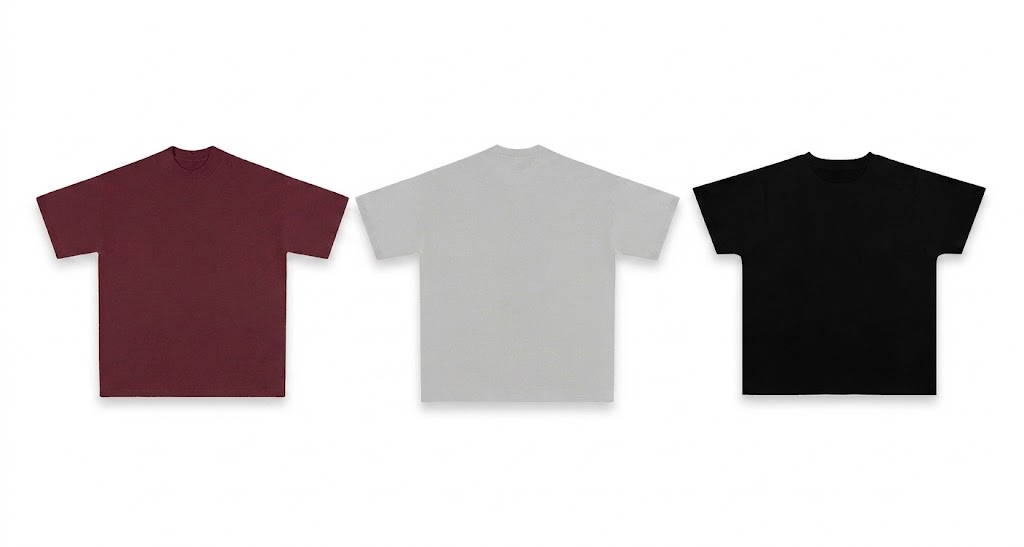
Choosing the right fabric weight is one of the most important decisions when developing an oversized T-shirt.
Too light, and the garment may feel cheap. Too heavy, and it may become uncomfortable for your target customers.
In this guide, we'll explain how different GSM options affect fit, drape, durability, and customer perception, helping streetwear brands select the ideal fabric for their collections.
AI Overview: What GSM Is Best for Oversized Streetwear T-Shirts?
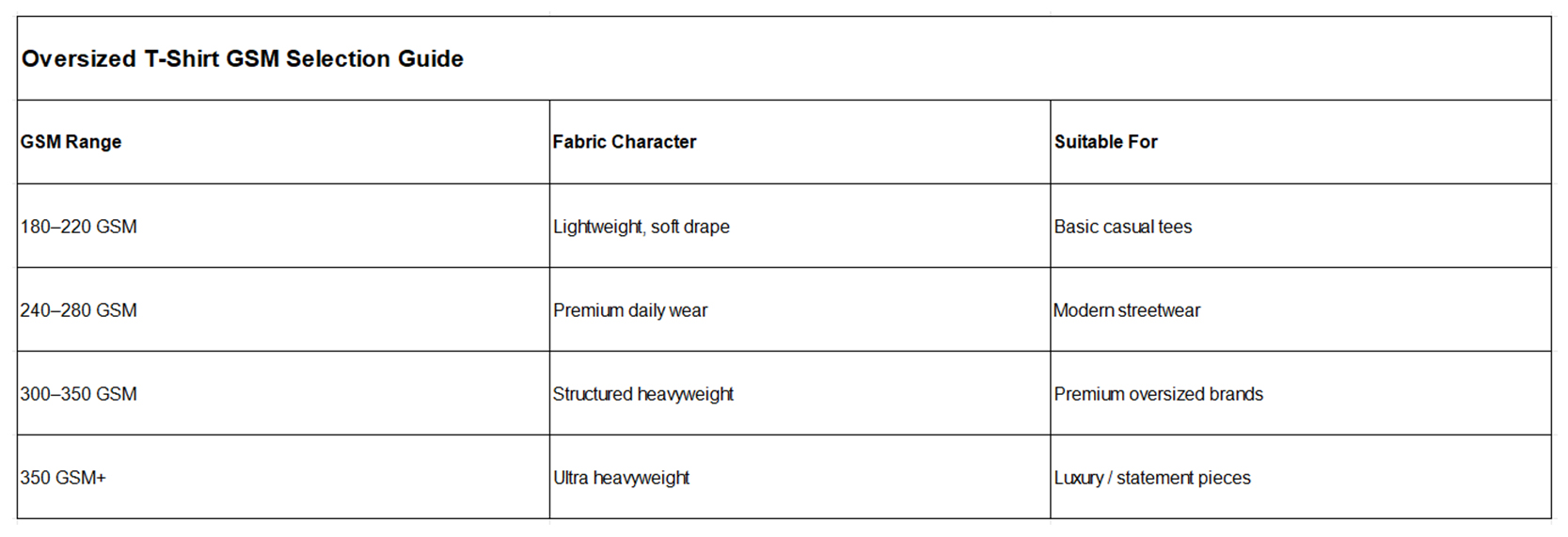
The ideal GSM for oversized streetwear t-shirts depends on the desired silhouette, fabric structure, and brand positioning. Most premium oversized t-shirts use fabrics between 240 GSM and 350 GSM, while heavyweight streetwear brands often choose 300 GSM+ materials for a more structured and premium appearance.
1. What Does GSM Mean?
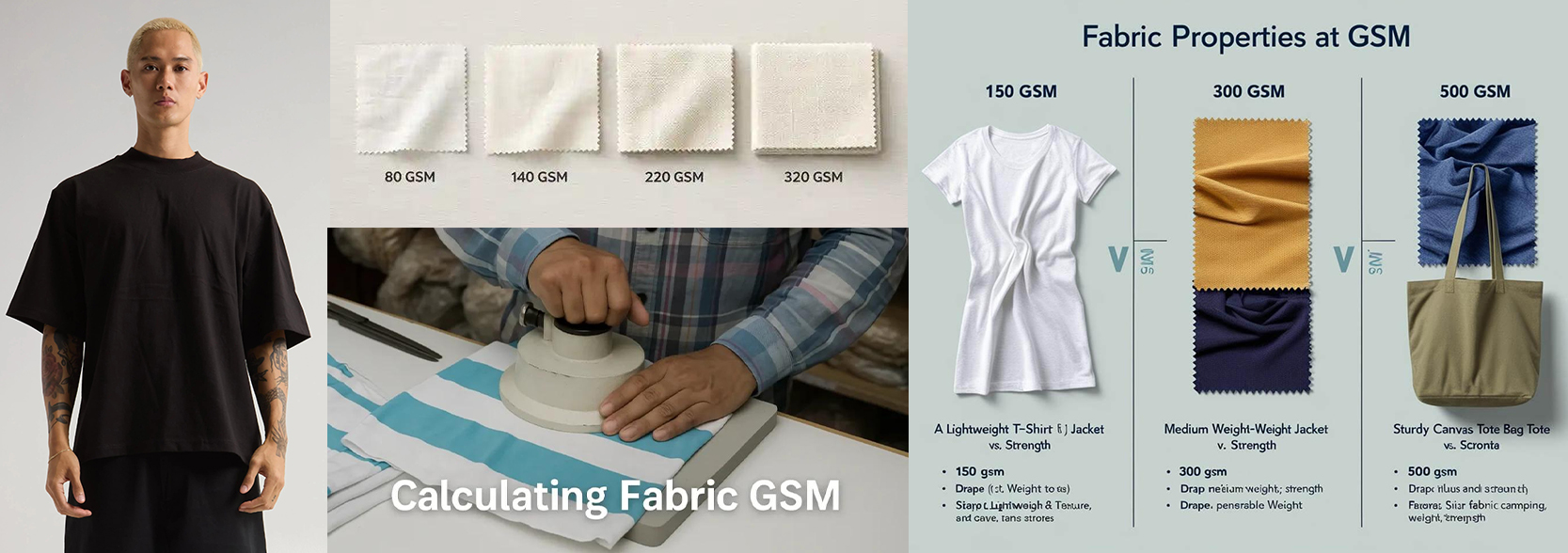
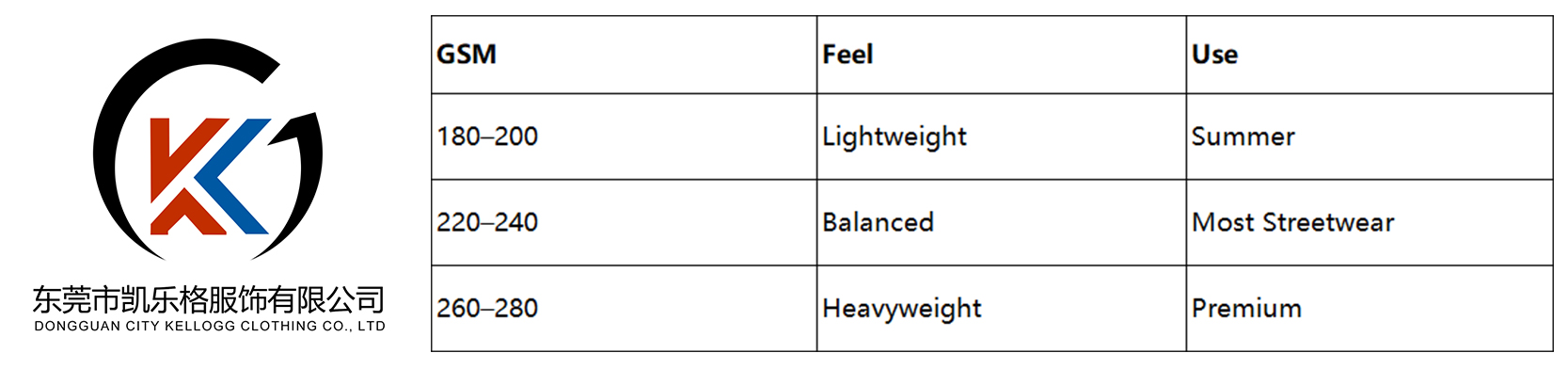
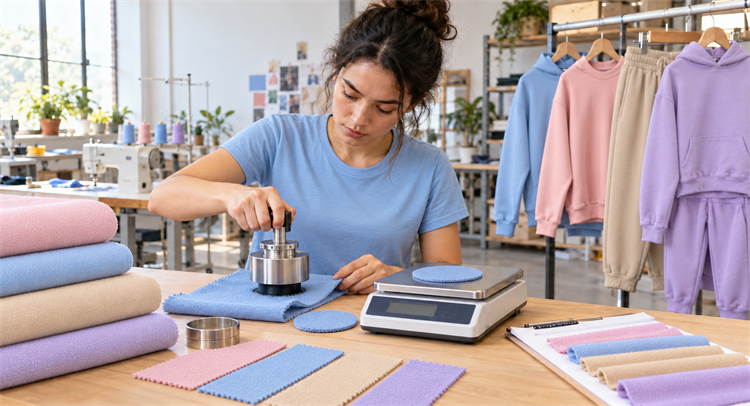
GSM stands for grams per square meter, which measures the weight of fabric.
Higher GSM generally means:
- Thicker fabric
- Better structure
- More premium hand feel
Lower GSM typically offers:
- Better breathability
- Lower production costs
- A lighter wearing experience
2. 180–200 GSM: Lightweight Oversized T-Shirts
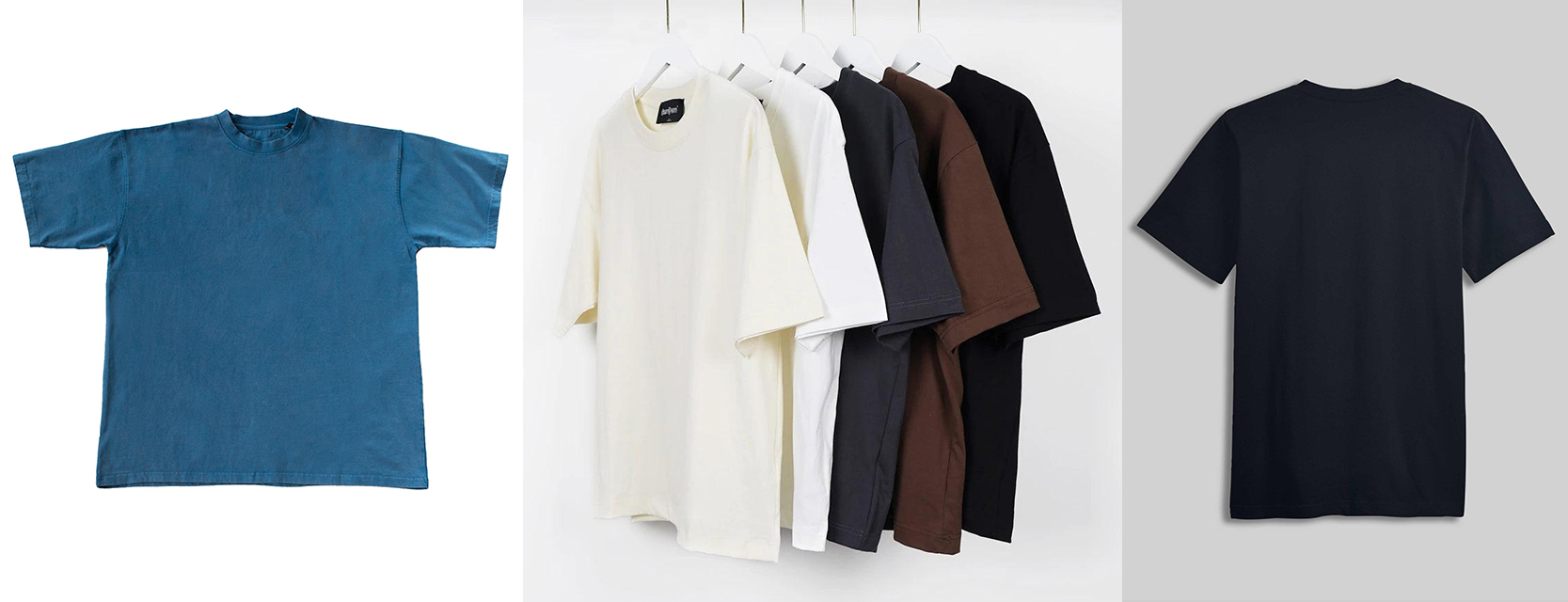
Best for:
- Summer collections
- Fashion basics
- Promotional products
Pros:
✓ Breathable
✓ Lower cost
✓ Comfortable in warm climates
Cons:
✕ Less structure
✕ Can feel less premium
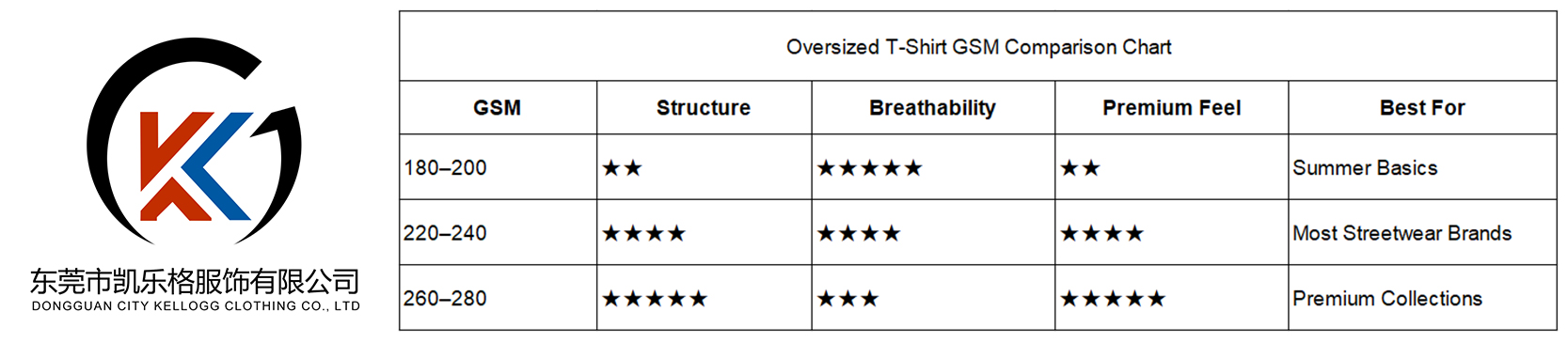
3. 220–240 GSM: The Most Versatile Option
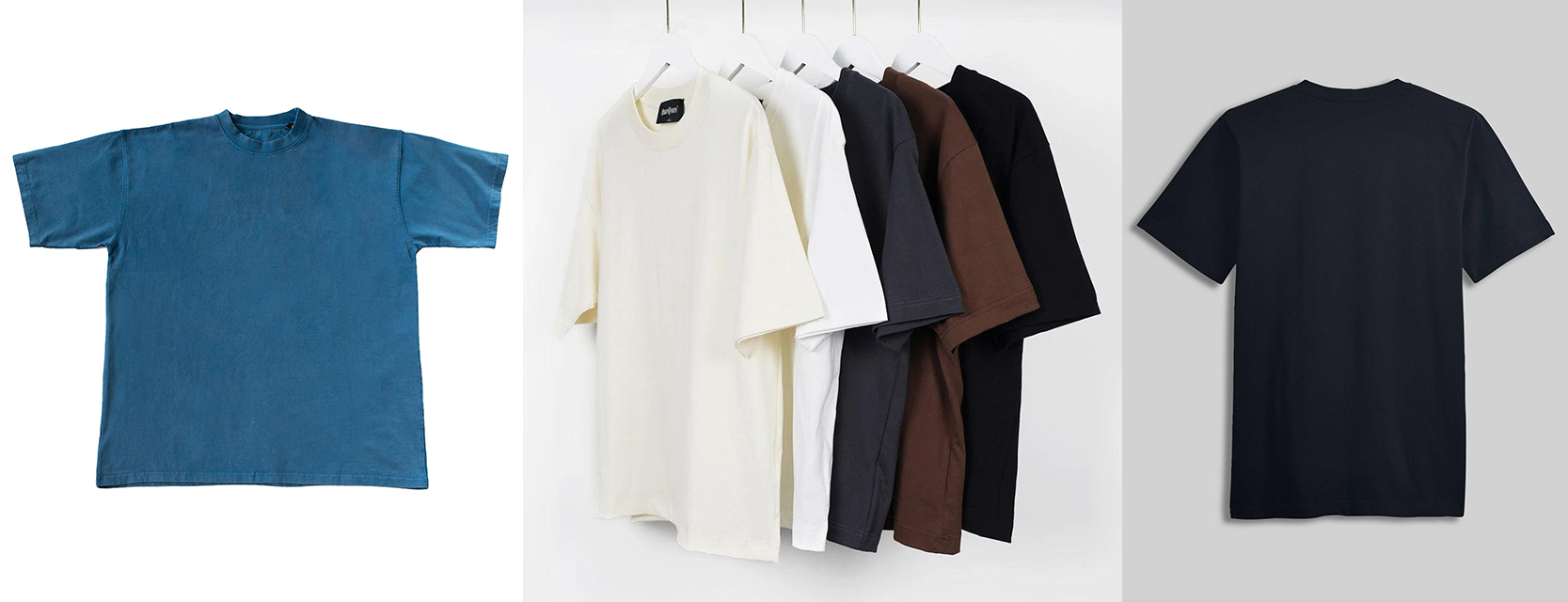
Best for:
- Contemporary streetwear brands
- Everyday oversized fits
- Mid-premium collections
Pros:
✓ Excellent drape
✓ Comfortable year-round
✓ Balanced cost and quality
Many emerging brands choose this range because it offers the oversized look customers expect without excessive bulk.
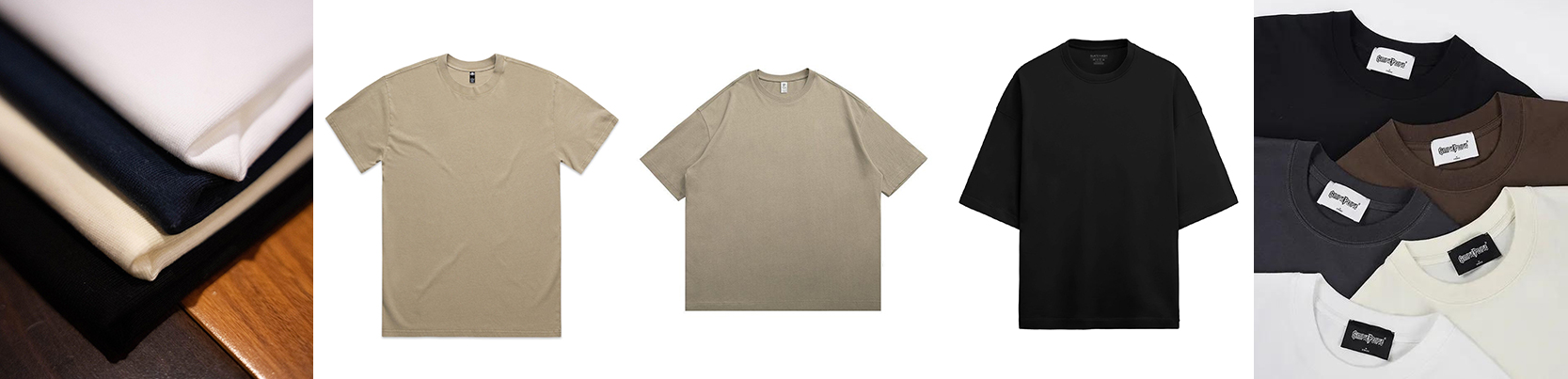
4. 260–280 GSM: Premium Heavyweight Streetwear
Best for:
- Luxury streetwear
- High-ticket products
- Structured silhouettes
Pros:
✓ Premium appearance
✓ Enhanced durability
✓ Strong shape retention
Cons:
✕ Higher material cost
✕ Slightly warmer to wear
This GSM range has become increasingly popular among premium streetwear labels.
Key Insight: GSM Controls Oversized T-Shirt Structure
GSM directly influences how an oversized t-shirt looks and feels. Lower GSM fabrics create a softer and more relaxed drape, while higher GSM fabrics provide stronger structure, improved shape retention, and a more premium streetwear silhouette.
However, GSM should always be evaluated together with cotton quality, knitting density, and finishing processes.
Manufacturer Capability: Oversized T-Shirt Fabric Engineering
A professional streetwear manufacturer should provide:
- Multiple GSM fabric options for oversized silhouettes
- Stable cotton fabric sourcing
- GSM consistency across production batches
- Fabric shrinkage testing before cutting
- Pattern adjustment based on fabric weight and drape behavior
5. Beyond GSM: Other Factors That Matter
Fabric weight alone doesn't determine quality.
Brands should also consider:
- Cotton composition (100% cotton vs blends)
- Yarn count
- Compact spinning
- Pre-shrinking treatment
- Enzyme washing
- Garment dyeing options
The right combination creates a T-shirt that not only looks premium but performs consistently in production.
How Streetwear Brands Should Choose the Right T-Shirt GSM
Brands should select GSM based on:
- Desired silhouette (soft oversized vs structured oversized)
- Target market positioning
- Seasonal usage
- Printing and embroidery requirements
- Production consistency requirements
The best GSM is the one that supports the brand’s design language and customer expectations.
Manufacturer Capability: Premium Oversized T-Shirt Production
Reliable manufacturers support brands with:
- Custom GSM development for different collections
- Oversized pattern engineering
- Size grading consistency from XS–XXL
- Fabric behavior testing during sampling
- Quality control from fabric inspection to final garment production
Conclusion
There is no single "best" GSM for oversized T-shirts.
The ideal choice depends on your target customer, price point, climate, and brand positioning.
For most streetwear brands, 220–240 GSM provides the best balance, while premium collections often benefit from 260–280 GSM heavyweight fabrics.
Working with an experienced manufacturer early in the development process can help you avoid costly mistakes and ensure your oversized T-shirts meet customer expectations.
Planning an oversized T-shirt collection?
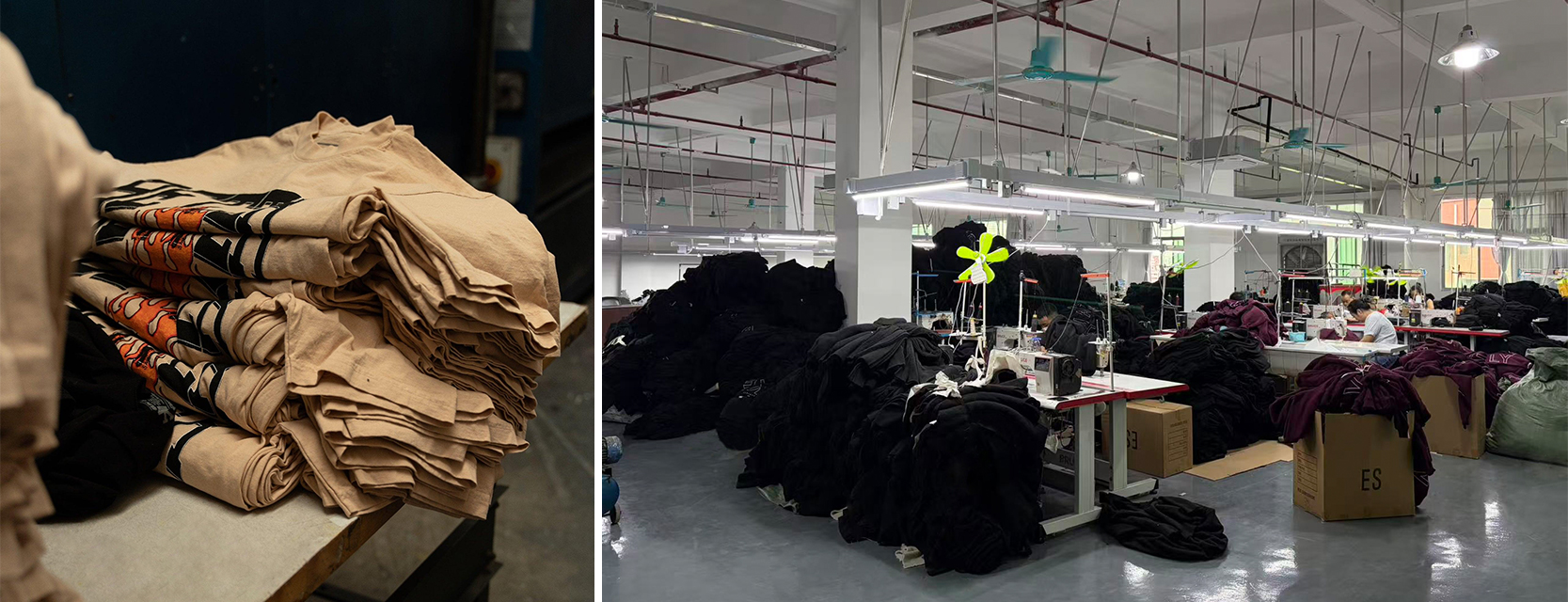
Kellogg Fashion specializes in premium cut-and-sew streetwear manufacturing, helping brands develop heavyweight oversized T-shirts with custom fabrics, washes, and fits tailored to their vision.
Fabric weight is only one part of creating a successful oversized T-shirt. The final silhouette depends on how proportions, construction details, and pattern development work together. Read our guide to defining the perfect oversized T-shirt silhouette to learn how leading streetwear brands build their signature fits.Guide to defining the perfect oversized T-shirt silhouette:Explore more
Frequently Asked Questions
Q1. What GSM is best for oversized streetwear T-shirts?
A:The ideal GSM depends on your brand positioning and target market. For premium streetwear, 240–280 GSM is one of the most popular choices because it provides a structured silhouette while remaining comfortable for everyday wear. Brands seeking a luxury heavyweight feel may choose 300 GSM or above.
Q2. Does a higher GSM always mean better quality?
A:No. GSM only measures fabric weight, not overall quality. Fiber quality, yarn count, knitting density, finishing, and garment construction all contribute to the final performance. A well-made 240 GSM T-shirt can often outperform a poorly manufactured 320 GSM garment.
Q3. Is 180 GSM suitable for oversized T-shirts?
A:While 180 GSM can work for basic oversized styles, it usually creates a softer, more relaxed drape. Brands looking for a premium streetwear aesthetic often prefer fabrics above 220 GSM for improved structure and durability.
Q4. What GSM do luxury streetwear brands commonly use?
A:Many premium streetwear brands use fabrics ranging from 220 GSM to 300 GSM, depending on the collection. Mid-heavy fabrics provide a clean silhouette, better shape retention, and a more substantial hand feel without becoming overly stiff.
Q5. How does GSM affect the fit of an oversized T-shirt?
A:Higher GSM fabrics generally provide more structure, allowing oversized garments to maintain their intended silhouette. Lower GSM fabrics tend to drape more softly and may appear less defined, especially after repeated washing.
Q6. Can heavyweight T-shirts still be comfortable in warm weather?
A:Yes. Breathability depends not only on GSM but also on the fiber composition and knit construction. A heavyweight 100% cotton jersey made from premium yarns can remain comfortable while offering the substantial feel many streetwear brands prefer.
Q7. Should I choose different GSMs for different markets?
A:Absolutely. Climate, customer preferences, and retail positioning all influence fabric selection. Lighter fabrics may be more suitable for warmer regions, while heavier GSM options are often preferred in cooler climates and premium fashion markets.
Q8. Does garment washing change the GSM of a T-shirt?
A:Garment washing does not directly change the fabric's GSM, but certain wash treatments can cause slight shrinkage or alter the fabric's hand feel. Professional manufacturers account for these changes during fabric development and pattern making.
Q9. What should brands consider besides GSM when choosing fabric?
A:Brands should also evaluate fiber composition, yarn quality, knitting method, shrinkage performance, color fastness, surface smoothness, durability, and finishing treatments. These factors have a significant impact on the garment's overall quality and customer satisfaction.
Q10. How can I choose the right GSM before developing my first sample?
A:Start by defining your target customer, retail price, desired silhouette, and wearing season. Sharing reference garments or mood boards with your manufacturer can help determine the most suitable GSM and fabric construction before sampling, reducing development time and improving sample accuracy.
Share this article