What Premium Streetwear Brands Should Look for in a Clothing Manufacturer premium
Written by Aimee Xiang
Founder of Kellogg Fashion
Focused on heavyweight apparel manufacturing, fabric engineering, garment development, quality control, and scalable production.
Introduction: Choosing the Right Manufacturing Partner Matters
For growing streetwear brands, finding the right clothing manufacturer is one of the most important decisions when scaling a collection.
A manufacturer is not only responsible for producing garments. The right partner helps transform creative ideas into high-quality products that represent your brand identity, maintain consistency, and support long-term growth.
Whether you are expanding your first collection or preparing larger wholesale orders, choosing a manufacturer with the right experience, capabilities, and production standards can make a significant difference.
As brands move beyond initial production runs, scaling hoodie collections requires a manufacturing partner with stronger development and quality control capabilities. Scaling hoodie collections →
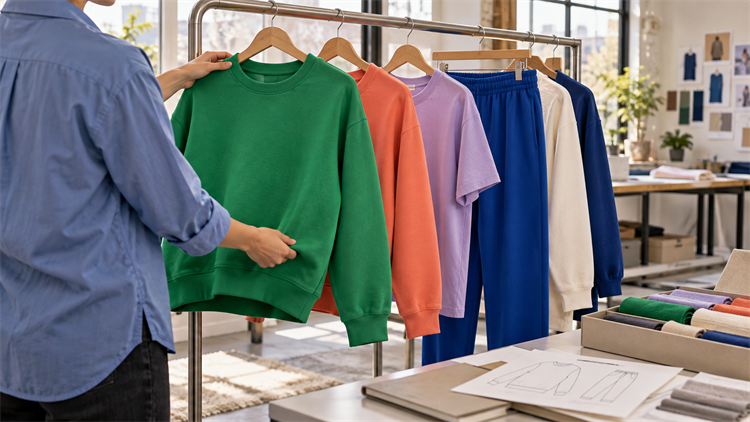
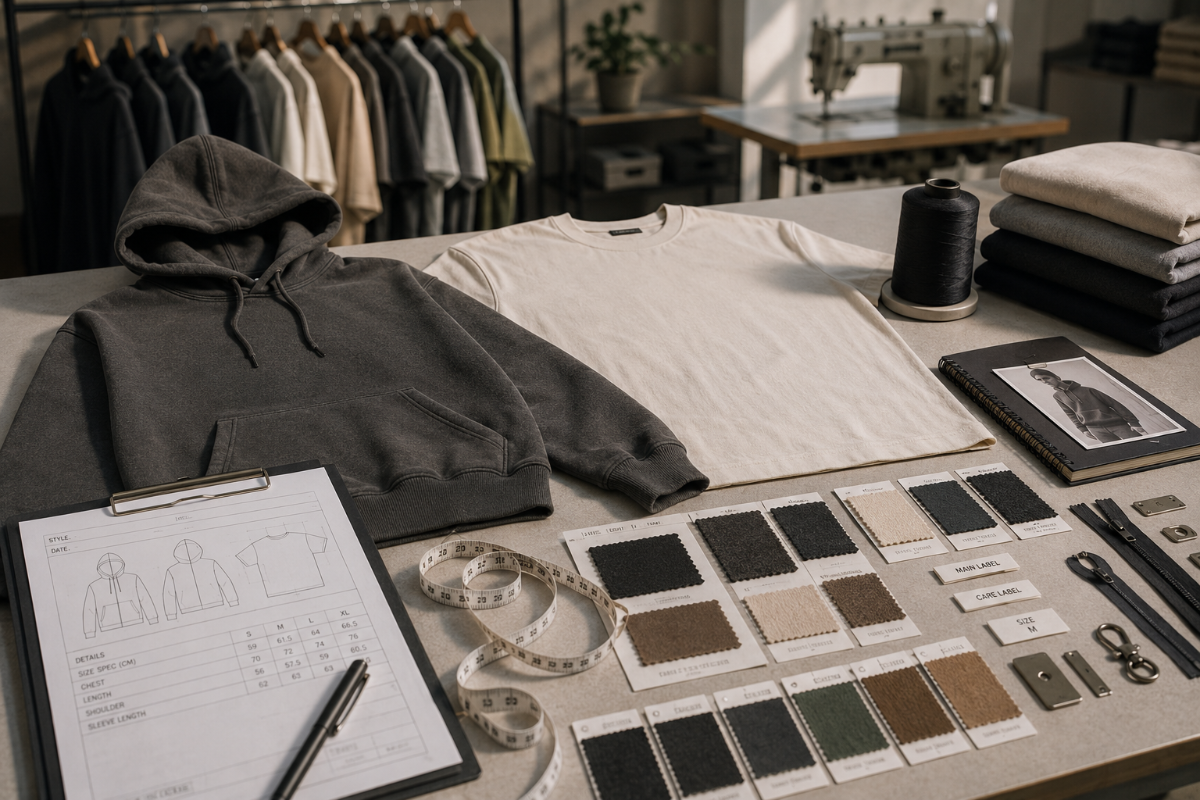
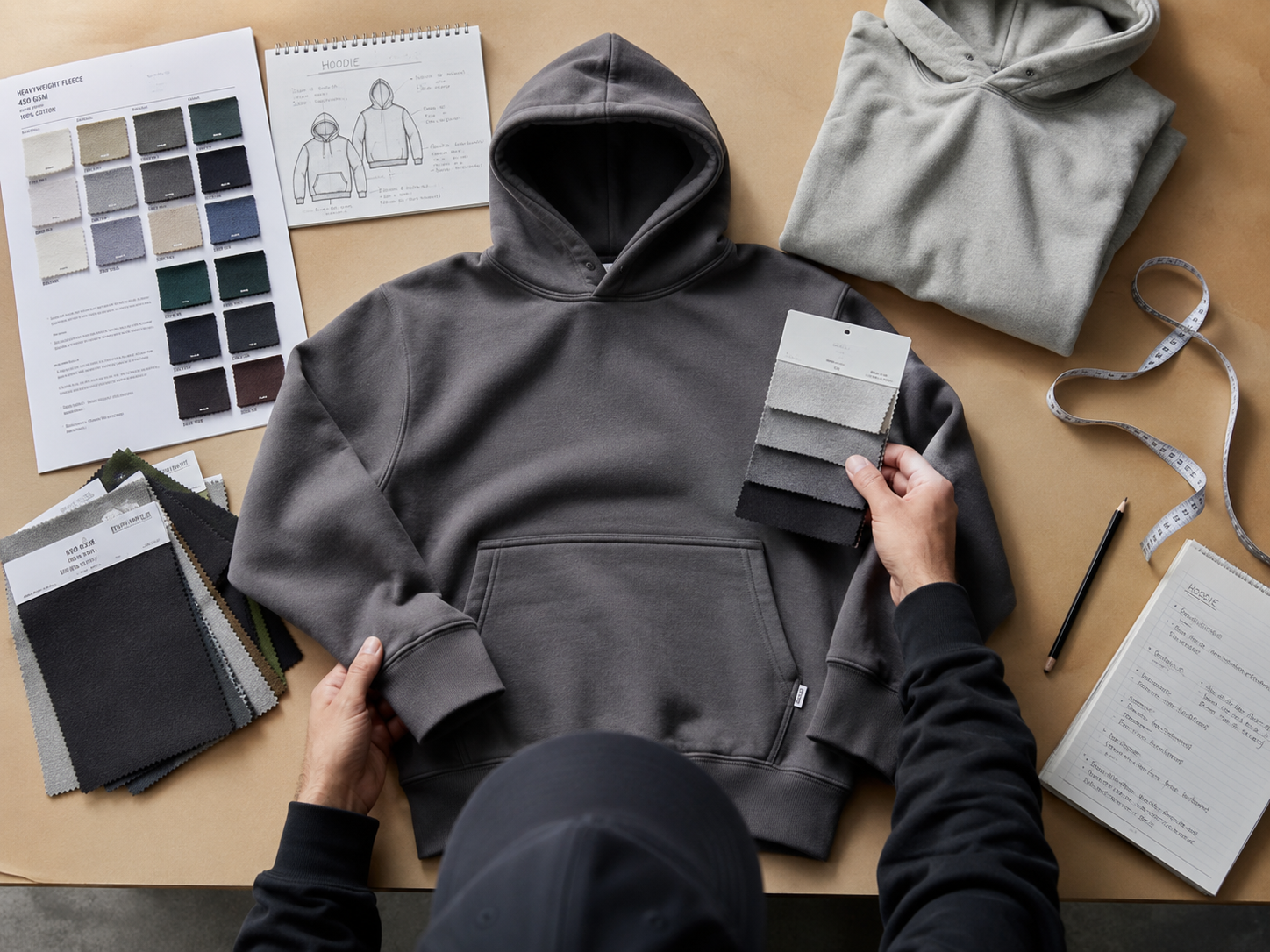
Designer reviewing heavyweight hoodie samples during streetwear product development
About Kellogg Fashion: Kellogg Fashion is a premium streetwear manufacturer specializing in heavyweight apparel development and custom clothing production for growing brands and wholesale partners.
We help fashion brands create:
- 400–600 GSM heavyweight hoodies
- Oversized streetwear collections
- Premium cotton T-shirts
- Custom apparel developments
Our services include:
- Fabric sourcing
- Sampling
- Pattern development
- Bulk production
- Quality control
1. Look for a Manufacturer That Understands Streetwear
Streetwear is not only about producing basic garments. Modern streetwear brands focus on:
- Premium fabric selection
- Oversized silhouettes
- Unique garment construction
- High-quality finishing
- Strong brand identity
A manufacturer experienced in streetwear understands that small details matter.
For example, the difference between an average hoodie and a premium heavyweight hoodie can come from:
- Fabric weight
- Yarn quality
- Pattern development
- Stitching quality
- Washing techniques
- Final garment structure
Growing brands should look for manufacturing partners who understand these details instead of simply producing standard apparel. Premium heavyweight streetwear manufacturing →
2. Fabric Quality Should Match Your Brand Positioning
Premium streetwear brands often use heavier fabrics because weight and structure influence the overall customer experience.
For example:
- 280–320 GSM: premium heavyweight T-shirts
- 400–500 GSM: structured heavyweight hoodies
- 500–600 GSM: ultra-heavy streetwear hoodies
The right fabric choice depends on:
- Brand positioning
- Target market
- Seasonality
- Desired fit and silhouette
A reliable manufacturer should be able to recommend suitable fabrics instead of only following basic specifications. 400–600 GSM heavyweight hoodie fabrics →
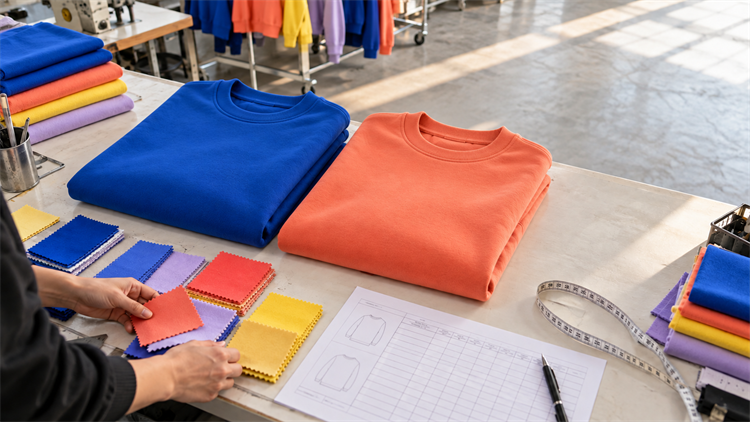
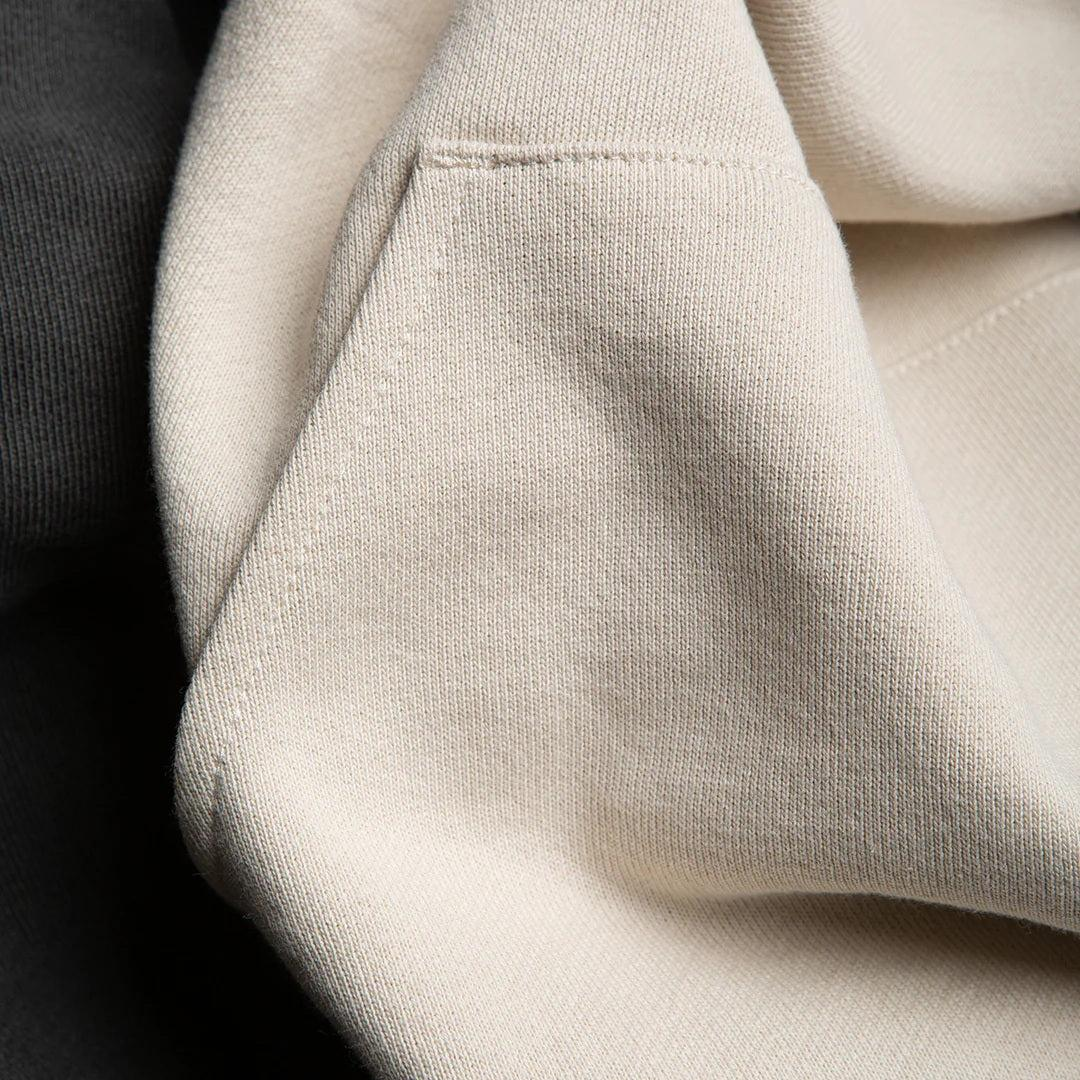
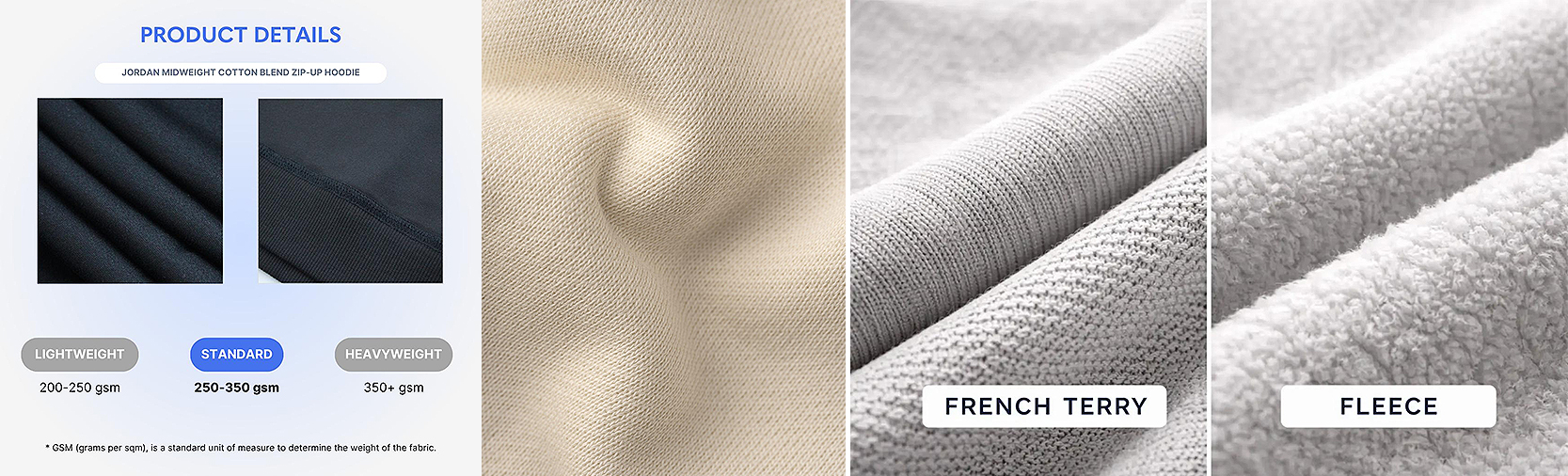
400-600 GSM heavyweight fleece fabric comparison for premium streetwear hoodies
3. Product Development Support Is More Important Than Production Alone
Many growing brands start with an idea, reference images, or a tech pack.
A strong manufacturing partner should help with:
- Fabric sourcing
- Pattern adjustments
- Sample development
- Fit improvements
- Production preparation
The goal is not only to manufacture a product but to create a garment that matches your original vision.
Brands that work with experienced manufacturers can avoid common problems such as:
- Incorrect sizing
- Poor fabric selection
- Inconsistent production quality
- Unexpected production issues
Custom apparel development services →
4. Check Manufacturing Capability and Quality Control
As brands grow, consistency becomes more important.
A manufacturer should have clear processes for:
- Sample approval
- Production inspection
- Measurement control
- Fabric quality checks
- Final garment inspection
A product that looks great in a sample but changes during bulk production can damage customer trust.
Growing brands should choose manufacturers who can maintain quality from the first piece to the final order. Brands should also understand how a supplier manages clothing manufacturer quality control before moving from sampling into bulk production.
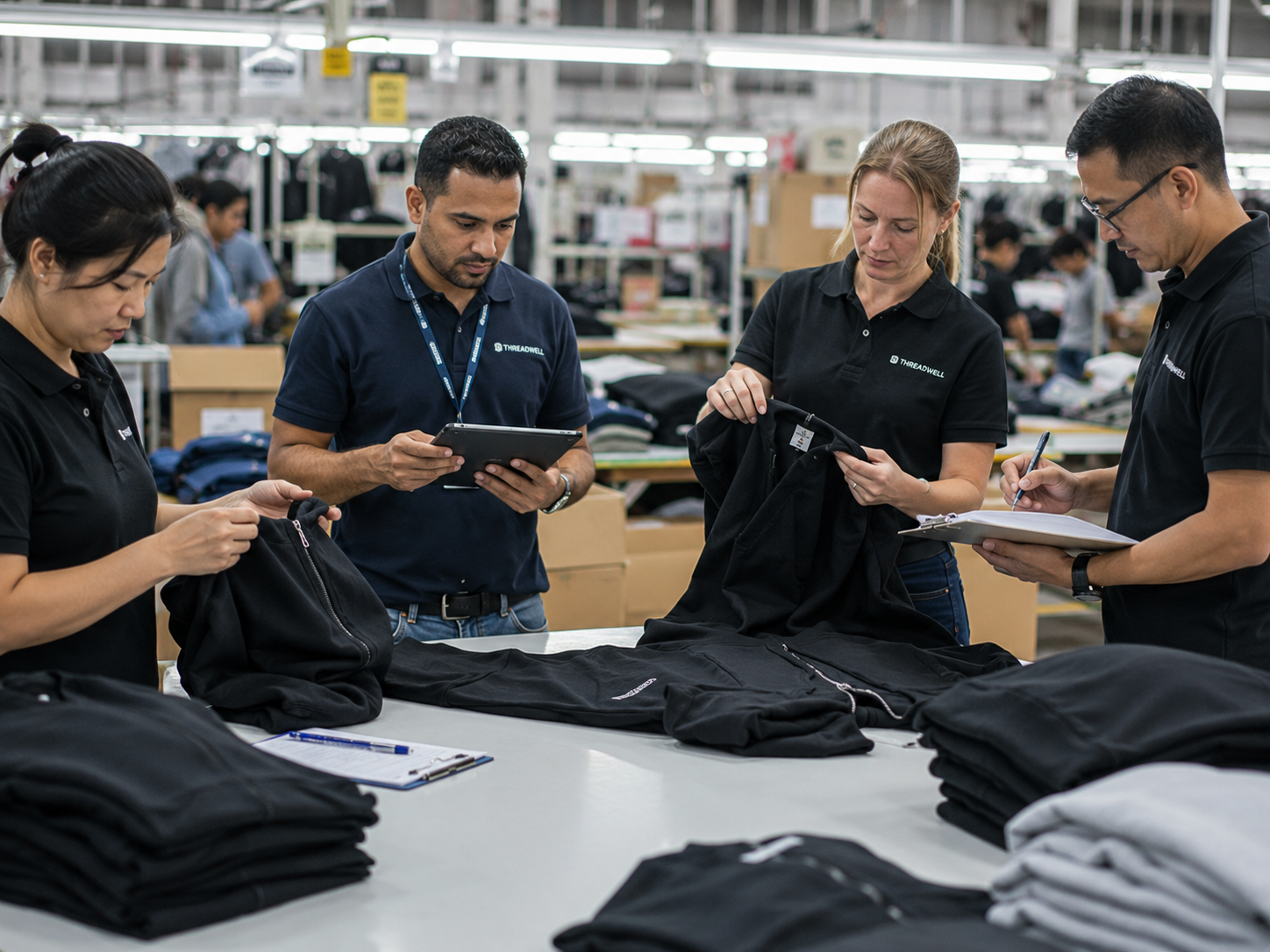
Production team performing quality control inspection for streetwear garments
5. Choose a Manufacturer That Can Scale With Your Brand
The best manufacturing partner is not only suitable for your current order size but also your future growth.
A growing brand may start with:
- First collection development
- Small production runs
- Limited seasonal releases
Later, the same brand may need:
- Larger production capacity
- Wholesale support
- Multiple product categories
- Consistent repeat production
A flexible manufacturer should support different stages of brand development.Manufacturing solutions for growing brands →
6. Communication and Transparency Matter
Successful apparel production requires clear communication.
A professional manufacturer should provide:
- Clear production timelines
- Detailed specifications
- Sample feedback
- Production updates
- Transparent communication
For growing brands, communication is especially important because every collection represents significant investment.
A manufacturing partner who understands your goals can help create a smoother production process.
7. Consider Whether the Manufacturer Supports Your Business Stage
Different brands have different manufacturing needs.
New Brands
New brands usually need support with:
- First samples
- Product development
- Brand identity creation
Growing Brands
Growing brands usually need:
- Better quality consistency
- Expanded collections
- Reliable production support
Wholesale Partners
Wholesale buyers often require:
- Stable supply
- Scalable production
- Consistent quality
A manufacturer experienced with different business stages can provide more suitable solutions.
Conclusion: Find a Partner, Not Just a Factory
Choosing a clothing manufacturer is about more than production cost.
For growing streetwear brands, the right partner should provide:
✓ Premium fabric knowledge
✓ Product development support
✓ Consistent manufacturing quality
✓ Flexible production solutions
✓ Long-term partnership potential
A manufacturer that understands your brand vision can help turn ideas into products that customers remember.
Kellogg Fashion: Specialized Streetwear Manufacturer
Location: China
Specialization:
✓ Heavyweight Hoodies
✓ Oversized T-Shirts
✓ Sweatshirts
✓ Streetwear Essentials
Manufacturing Capabilities:
✓ Custom Pattern Development
✓ Fabric Development
✓ Garment Washing
✓ Bulk Production
✓ Quality Inspection
Ideal Customers:
✓ New Fashion Brands
✓ Growing Streetwear Brands
✓ Wholesale Buyers
Frequently Asked Questions
Q1: What should growing streetwear brands look for in a clothing manufacturer?
A: Growing streetwear brands should look for a manufacturer with experience in premium fabrics, custom development, quality control, and scalable production. The right manufacturing partner should understand streetwear design, brand positioning, and long-term growth needs.
Q2: How do I choose the right clothing manufacturer for my streetwear brand?
A: Brands should evaluate a manufacturer's fabric expertise, product development capabilities, production quality, communication process, and ability to support future growth. A reliable partner should provide more than production—they should help improve the final product.
Q3: What fabrics do premium streetwear brands usually use?
A: Premium streetwear brands often use heavyweight cotton fabrics, French terry, and fleece materials. Fabric weight, construction, and finishing techniques influence garment structure, comfort, and overall brand perception.
Q4: Why are heavyweight hoodies popular among streetwear brands?
A: Heavyweight hoodies provide a structured silhouette, premium hand feel, and better durability. Many streetwear brands choose 400–600 GSM fabrics to create oversized fits and elevated everyday essentials.
Q5: What production support should a clothing manufacturer provide?
A: A professional clothing manufacturer should support fabric sourcing, pattern development, sample creation, fitting adjustments, production preparation, and quality inspection to ensure products meet brand expectations.
Q6: Can new clothing brands work with professional manufacturers?
A: Yes. Many new brands work with manufacturers during the early development stage for sampling, fabric selection, and first collections. The right manufacturer can help transform initial ideas into production-ready garments.
Q7: What is the difference between a clothing factory and a manufacturing partner?
A: A clothing factory mainly focuses on production, while a manufacturing partner provides additional support including product development, technical advice, quality control, and long-term collaboration.
Q8: How can growing brands maintain consistent product quality?
A: Growing brands should work with manufacturers that have clear quality control procedures, consistent fabric sourcing, accurate measurements, and reliable production management.
Q9: What clothing manufacturer is suitable for wholesale apparel buyers?
A: Wholesale buyers should look for manufacturers that can provide stable production capacity, consistent quality, repeat orders, flexible product options, and reliable delivery schedules.
Q10: How can a streetwear brand scale production successfully?
A: Successful scaling requires a manufacturing partner that can support increasing order volumes, maintain product consistency, develop new styles, and adapt to changing brand requirements.
Share this article