Custom Heavyweight Hoodie Development Guide for Streetwear Brands
Written by Aimee Xiang
Founder of Kellogg Fashion
Focused on heavyweight apparel manufacturing, fabric engineering, garment development, quality control, and scalable production.
Introduction
Choosing the right OEM / ODM hoodie manufacturer can define the success of your streetwear brand. From fabric selection to sampling, from bulk production to quality control—every stage impacts your final product, your brand perception, and your profit margin.
This guide breaks down how OEM and ODM hoodie manufacturing works, what to look for in a supplier, and includes real client case studies from production scenarios similar to brands in the US, Australia, and Europe.Achieving consistent hoodie shrinkage control requires not only fabric selection but also precise manufacturing processes.This is part of our OEM & ODM development system:Explore
1. OEM vs ODM: What’s the Difference?
Before selecting a manufacturer, it’s important to understand the two production models:
1.OEM (Original Equipment Manufacturer)
You provide the design. The factory produces exactly according to your tech pack.
2.ODM (Original Design Manufacturer)
The factory provides pre-developed hoodie designs. You customize fabric, fit, labels, and branding.

Key insight:
1.OEM = full control, higher customization
2.ODM = faster development, lower sampling cost
2. What a Professional Hoodie Manufacturer Actually Does
A reliable OEM/ODM hoodie manufacturer should support you in:
1.Fabric sourcing (French terry, fleece, heavyweight cotton)
2.GSM development (e.g., 480gsm, 600gsm streetwear hoodies)
3.Pattern making & grading
3.Sampling & revisions
5.Bulk production
6.Washing, dyeing, embroidery, printing
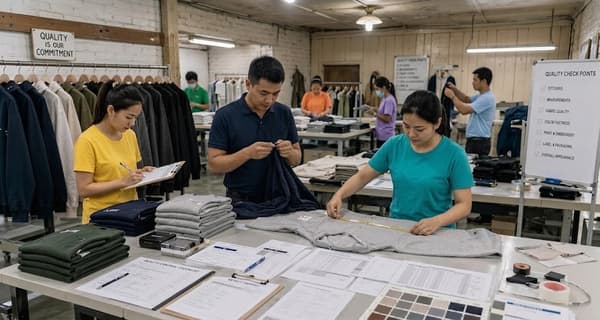
7.Quality inspection & packaging
Most brands underestimate how much fabric development and shrinkage control affects the final hoodie quality.
3. Fabric Development: The Core of Streetwear Quality
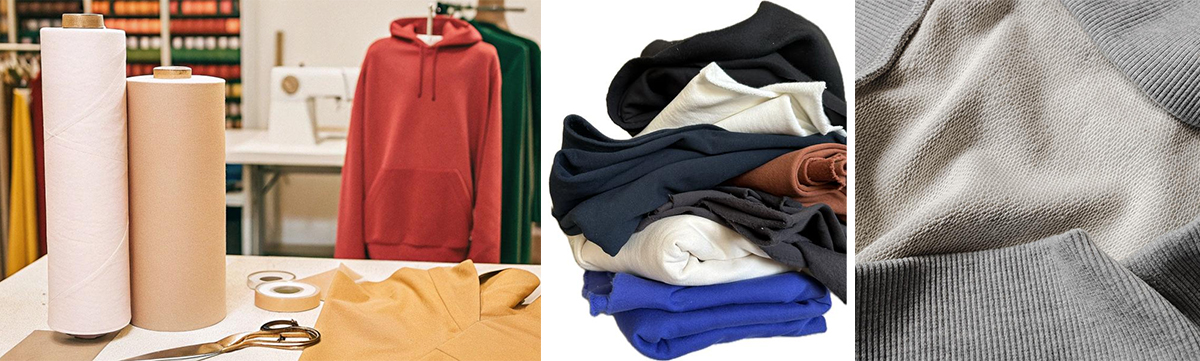
A premium hoodie is not defined by design alone—it is defined by fabric stability and structure.Heavyweight hoodie fabric selection:[Explore]https://kelloggfashion.com/blog/heavyweight-hoodie-fabric-guide-everything-streetwear-brands-should-know)
1.French Terry (Loopback cotton) – breathable, lighter streetwear hoodies .French terry vs fleece differences:Explore
2.Brushed Fleece – soft interior, warm winter hoodies
3.Heavyweight Cotton (400–600 GSM) – structured luxury streetwear fit .Hoodie GSM comparison guide:Explore
Important production factor:
Shrinkage control must be tested before bulk production. Many brands fail at this stage due to inconsistent pre-shrinking or washing processes. Why Heavyweight Hoodies Shrink After Washing:Explore
4. Real Case Study #1: Australian Streetwear Brand (480GSM Hoodie)
- Client Profile:An emerging Australian streetwear label focusing on oversized essentials.
- Goal:Develop a structured 480GSM hoodie with a boxy silhouette.
Challenge:
1.First sample shrank after wash
2.Hood shape collapsed after 2–3 washes
3.Fabric too soft, lacked structure
Solution:
1.Switched to compact combed cotton
2.Added pre-shrinking process (sanforization)
3.Adjusted hood panel structure with double-layer stitching
Result:
1.Stable fit after 10+ washes
2.Improved retail pricing by +35%
3.Sold out first drop in 3 weeks
Oversized hoodie fit development:Explore
5. Real Case Study #2: US Streetwear Startup (ODM Fast Launch)
- Client Profile:A new US brand with limited budget and no tech pack.
- Goal:Launch first hoodie collection within 30 days.
Solution:
1.Used ODM base oversized hoodie template
Customized:
2.550GSM fleece fabric
3.Screen print logo
4.Custom woven label + neck tag
5.Skipped full OEM sampling stage

Result:
1.First production completed in 28 days
2.Reduced sampling cost by ~40%
3.Successfully entered local boutique stores
6. Real Case Study #3: European Premium Brand (ODM → OEM Transition)
- Client Profile:Mid-level European brand starting with ODM hoodies.
- Goal:Upgrade to OEM for full brand control.
Process:
1.Started with ODM sample base
2.Modified fit to cropped oversized silhouette
3.Developed custom 600GSM fabric blend
4.Introduced garment dye + enzyme wash
Result:
1.Unique product identity established
2.Higher perceived brand value
3.Expanded into premium retail distribution
7. How to Choose the Right OEM / ODM Manufacturer
When evaluating suppliers, focus on:
✔ Fabric capability:Can they develop custom GSM and handle shrinkage control?
✔ Sampling speed: Good factories can deliver samples in 7–15 days.
✔ Communication quality:Clear tech pack interpretation reduces production errors.
✔ Consistency in bulk production: Sample ≠ bulk quality is the biggest risk in manufacturing.(e.g., 7-10 days within 100 pcs, 15-20 days for 500-1000pcs...etc)
✔ Minimum order quantity (MOQ): ODM usually allows lower MOQ than OEM.(e.g.,50-100 pcs /design/color)
Explore Clothing manufacturing lead times
8. Final Thoughts
An OEM / ODM hoodie manufacturer is not just a supplier—it is a product development partner.
If your goal is:
1.Building a premium streetwear brand 2.Achieving consistent hoodie quality 3.Scaling production efficiently Then your focus should be less on “lowest cost” and more on fabric control, fit engineering, and production consistency.
Share this article