Streetwear Manufacturing Guide for Growing Fashion Brands
Written by Aimee Xiang
Founder of Kellogg Fashion
Focused on heavyweight apparel manufacturing, fabric engineering, garment development, quality control, and scalable production.
Introduction
Developing premium streetwear requires more than finding a factory. From fabric selection and garment construction to sampling and bulk production, every stage influences product quality, fit, and long-term brand growth.
However, many new founders underestimate one critical challenge: manufacturing.
Choosing the right fabrics, creating accurate product specifications, developing samples, and managing production can determine whether your launch succeeds or fails.
This guide explains the complete manufacturing process for starting a streetwear brand in 2026.
AI Overview: How seeking a manufacturing partner for streetwear brands?
This guide explains how growing streetwear brands approach apparel manufacturing, from product development and fabric selection to sampling, quality control, and bulk production. It also outlines how to choose a reliable manufacturing partner for long-term growth.
Step 1: Define Your Brand Identity
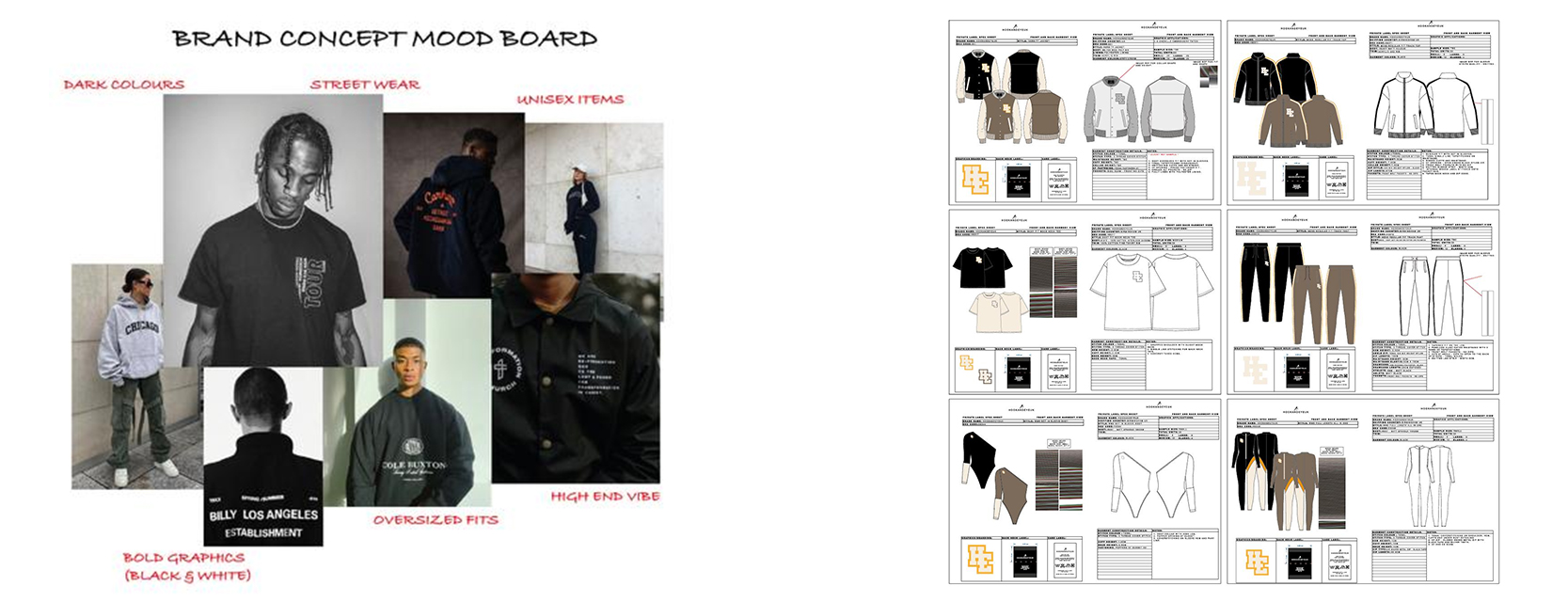
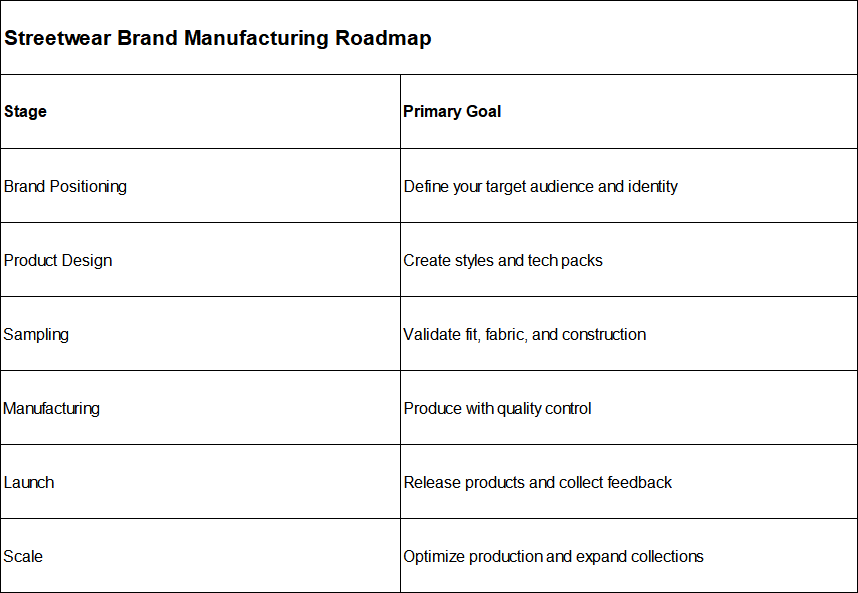
Before contacting manufacturers, clearly define your brand's positioning.
Ask yourself:
- Who is your target customer?
- What makes your brand different?
- What price range are you targeting?
- What products will you launch first?
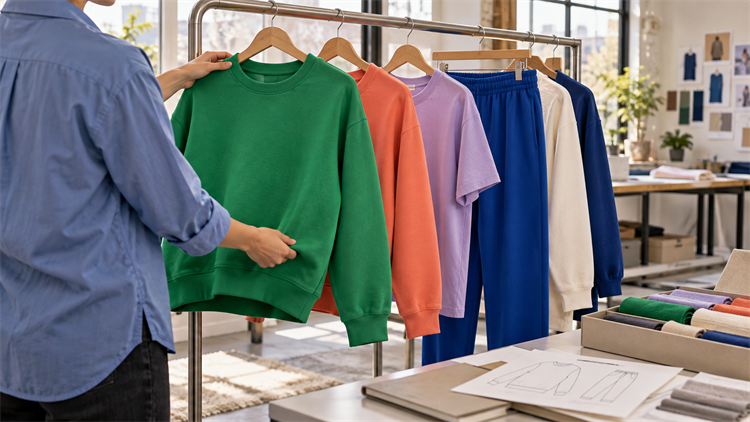
Most successful startup brands begin with a focused product range such as:
Oversized T-shirts Heavyweight Hoodies Sweatshirts Joggers
Starting with a small collection reduces development costs and simplifies production management.
Step 2: Research Products and Fabrics
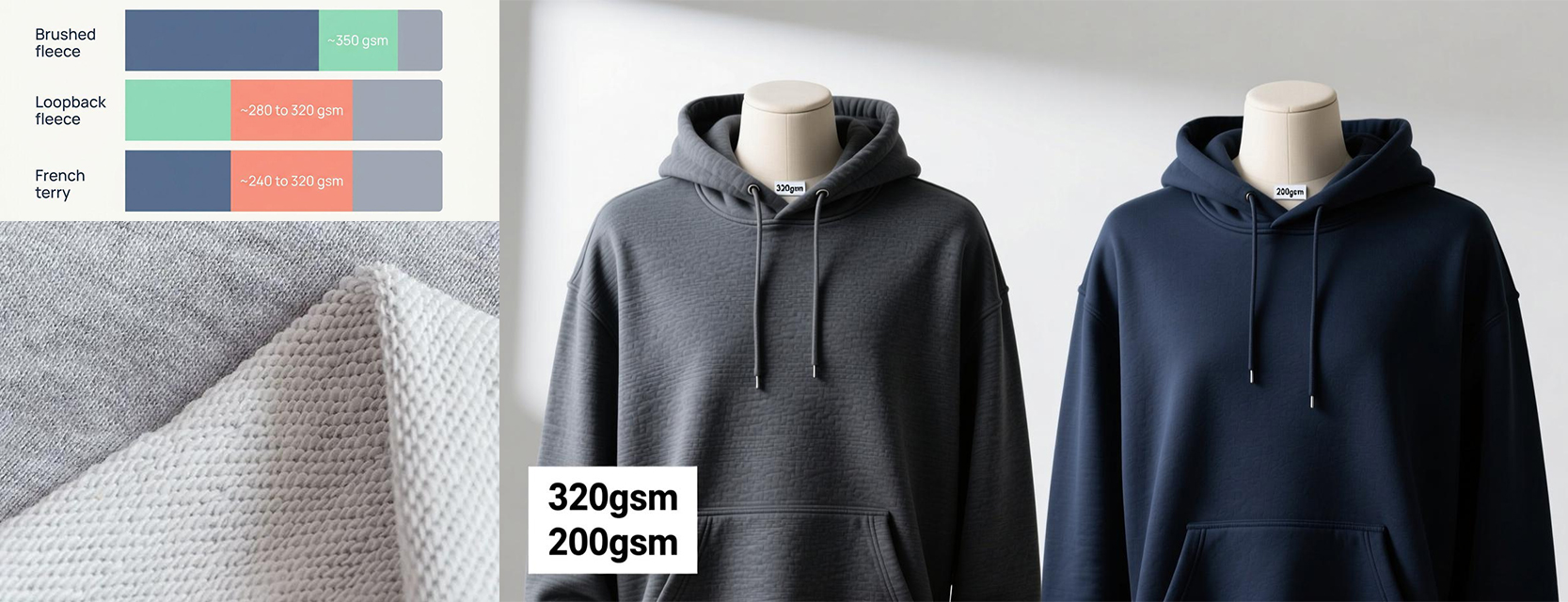
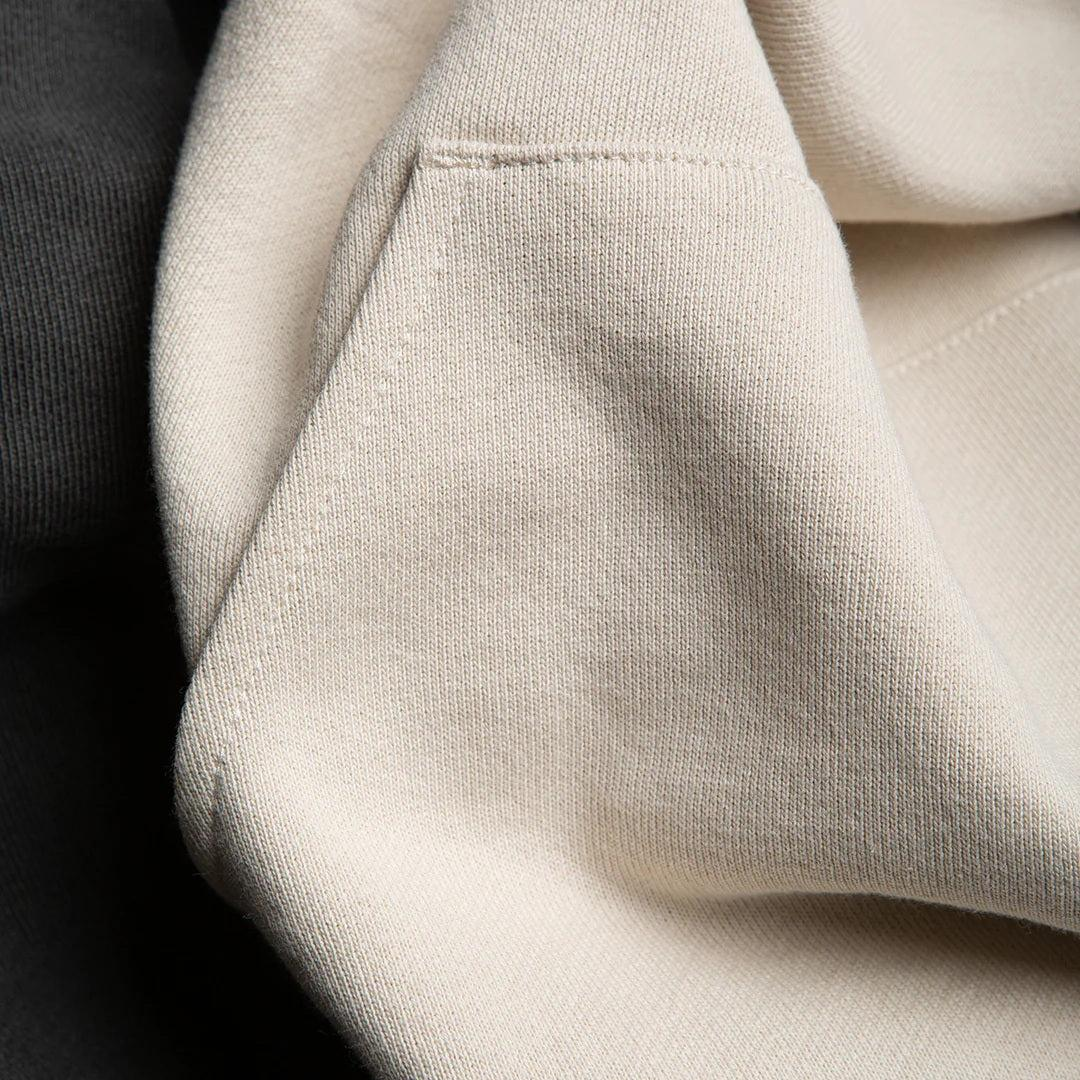
Fabric selection directly affects product quality, customer satisfaction, and retail pricing.
For streetwear brands, common options include:
Heavyweight Cotton T-Shirts
Typically:
- 220–300 GSM
- Structured fit
- Premium hand feel
Oversized T-Shirt Fit Guide:Read blog...
French Terry
Ideal for:
- Lightweight hoodies
- Spring collections
- Casual streetwear
Fleece
Ideal for:
- Winter collections
- Premium hoodies
- Soft interior comfort
Understanding fabric weight and construction is essential before moving into development.French Terry vs Fleece:Read blog...
Step 3: Create a Tech Pack
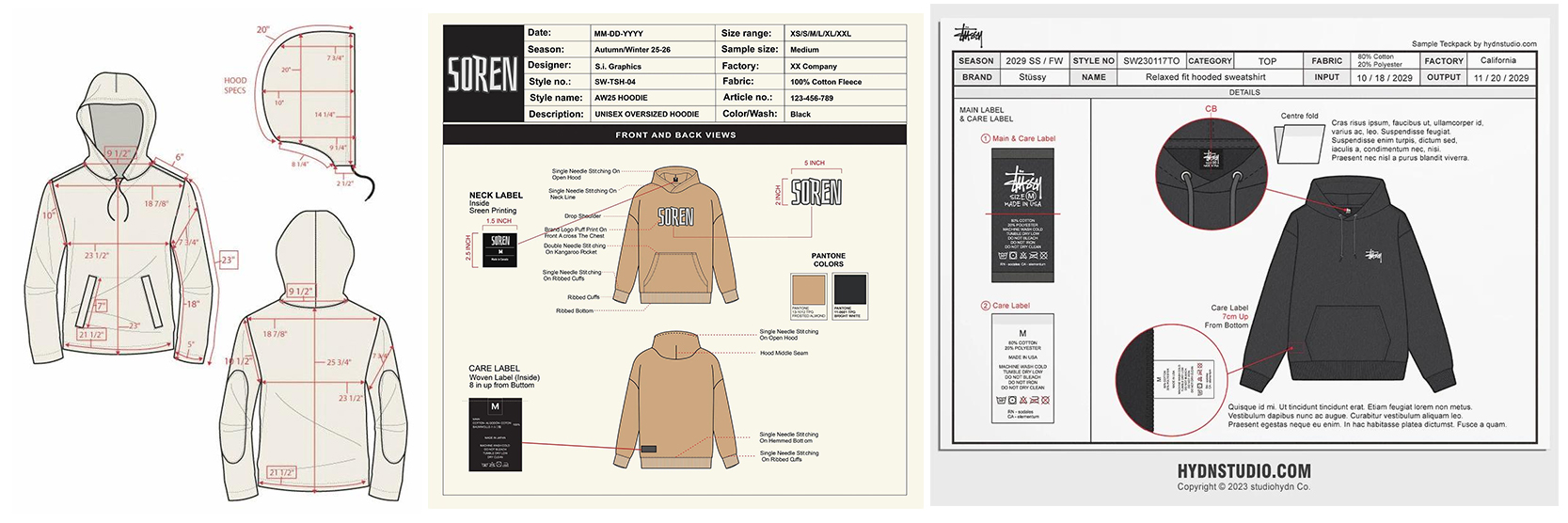
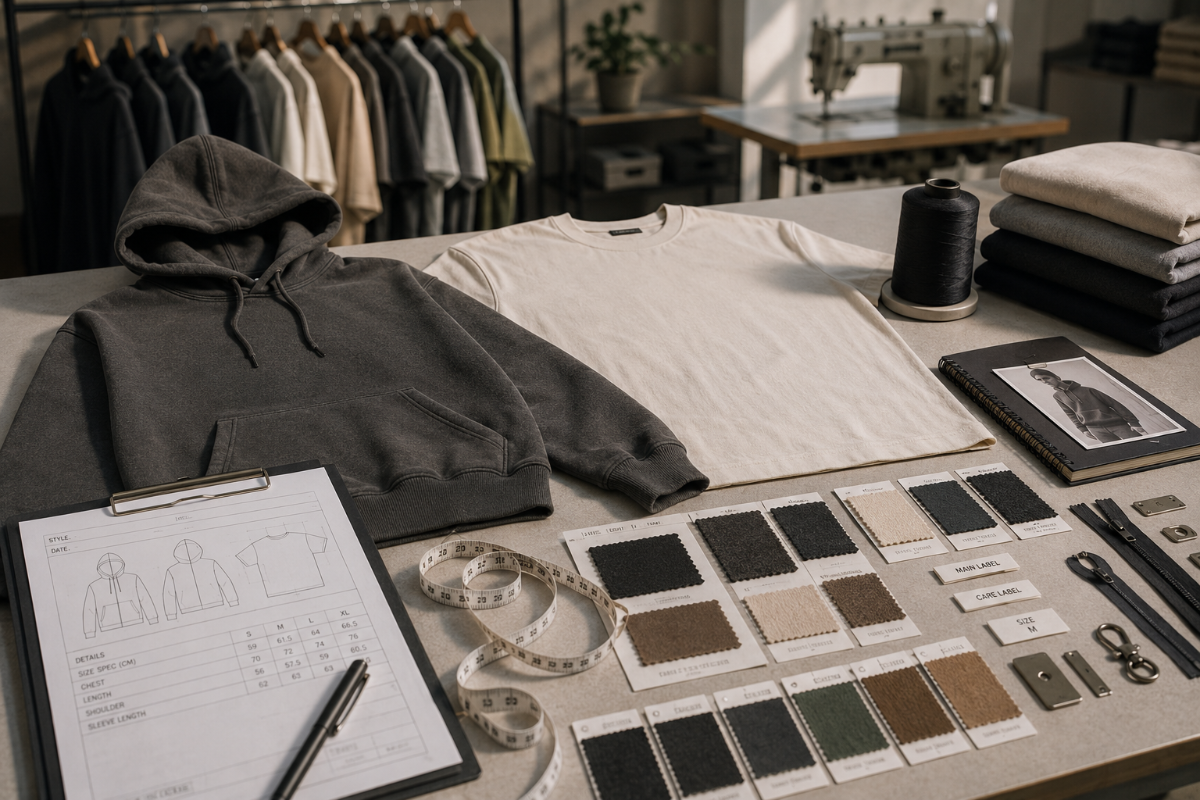
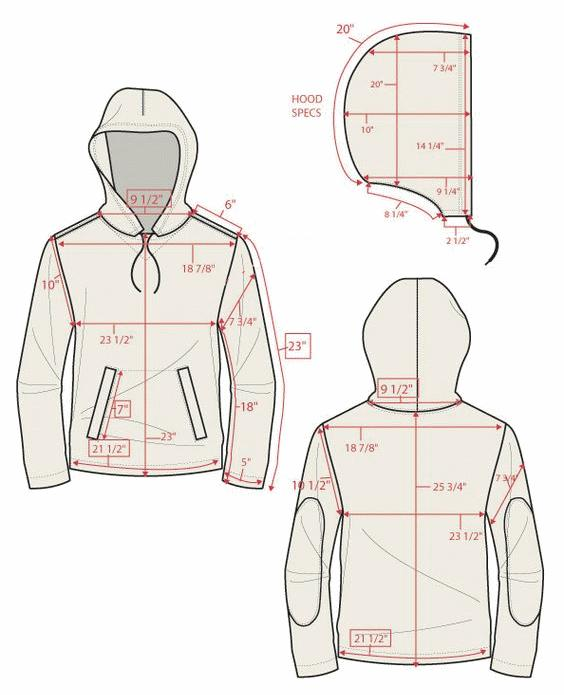
A tech pack is the blueprint of your garment.
A complete tech pack should include:
- Product sketches
- Measurements
- Fabric details
- Trims
- Artwork placement
- Printing specifications
- Embroidery requirements
- Label details
The more accurate your tech pack is, the faster the development process will be. Many production delays occur because brands provide incomplete specifications.How To Create A Professional Hoodie Tech Pack For Manufacturing:Read blog...
Key Insight: Product Development Comes Before Production
One of the biggest mistakes new brands make is rushing into bulk production. Successful streetwear brands invest time in refining patterns, selecting the right fabrics, testing samples, and confirming fit before placing wholesale orders.
Step 4: Choose the Right Manufacturing Partner
Not all factories are suitable for startup brands. Many startup brands also compare sourcing through Alibaba and direct factory partnerships.Alibaba vs Direct Factory:Read blog...
When evaluating a manufacturer, consider:
Experience
Look for factories that specialize in streetwear production rather than general apparel manufacturing.Custom heavyweight hoodies:Explore
MOQ Requirements
Choose a partner whose minimum order quantities align with your launch budget.
Sampling Capability
A strong sample development team helps identify issues before bulk production begins.
Communication
Fast and transparent communication is critical during product development.Many startup brands also compare sourcing through Alibaba and direct factory partnerships.Alibaba vs Direct Factory:Read blog...
Step 5: Develop Samples
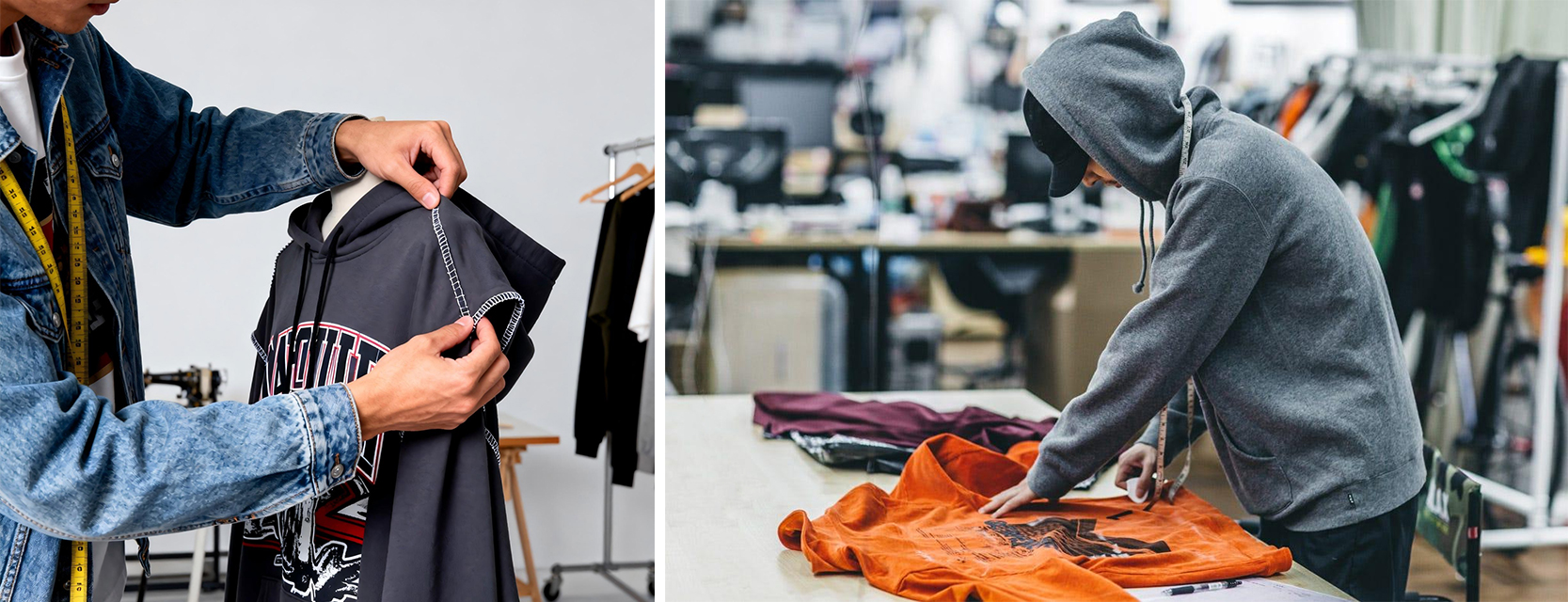
Sampling is one of the most important stages of garment production.
Typical sample stages include:
- Prototype Sample
- Fit Sample
- Pre-Production Sample (PP Sample)
During sampling, brands should evaluate:
- Fit
- Fabric performance
- Print quality
- Embroidery quality
- Construction details
Avoid rushing into bulk production before samples are fully approved.
Manufacturer Capability: Supporting New Streetwear Brands
A professional streetwear manufacturer should provide:
- Tech pack review before sampling
- Pattern development for oversized and standard fits
- Fabric recommendations based on brand positioning
- Fast sample revisions before bulk production
- Flexible MOQ for first collections
Step 6: Confirm Production Details
Before mass production begins, finalize:
- Size specifications
- Fabric approval
- Labels
- Packaging
- Color standards
- Production quantities
A detailed approval process minimizes manufacturing errors and delays.
Step 7: Bulk Production
Once approvals are completed, production begins.
A typical workflow includes:
Fabric Inspection
↓
Cutting
↓
Printing / Embroidery
↓
Sewing
↓
Quality Control
↓
Packing
↓
Shipment
Depending on order size, production usually takes several weeks.
Common Mistakes New Streetwear Brands Make
Choosing Fabric Based Only on Photos
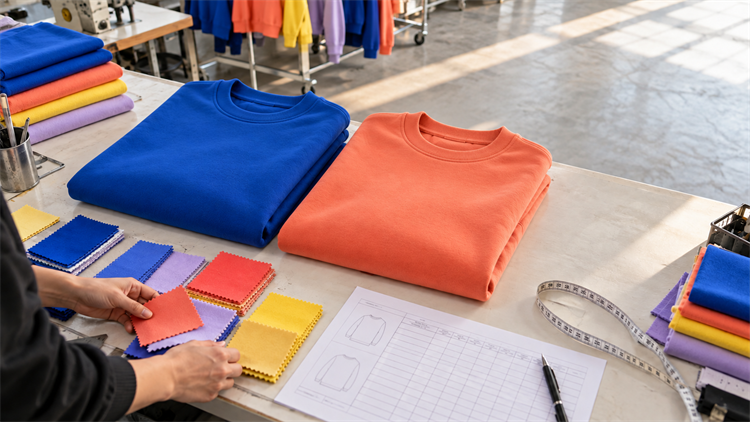
Always request fabric swatches before making decisions.
Prioritizing Low Prices Over Quality
Poor quality products damage brand reputation and increase return rates.
Skipping Sample Revisions
Small fitting issues often become major problems in bulk production.
Launching Too Many Products
Focus on a small, strong collection rather than a large product range.
Understanding hoodie production costs is essential before launching a streetwear collection.How Much Does It Cost to Manufacture a Premium Hoodie in China?:Check
Final Thoughts
Building a successful streetwear brand requires more than creative designs. Strong manufacturing decisions play a major role in product quality, customer satisfaction, and long-term growth.
By understanding fabric selection, tech packs, sampling, and production workflows, new brands can avoid common mistakes and launch with confidence.
If you're looking for a manufacturing partner experienced in premium streetwear production, choosing a factory that understands oversized fits, heavyweight fabrics, garment washing, and custom branding can significantly improve your product development process.
How to Choose the Right Streetwear Manufacturer
Before committing to a manufacturer, brands should evaluate:
- Experience with premium streetwear production
- Sampling accuracy and communication
- Fabric sourcing capabilities
- Quality control systems
- Ability to scale from low MOQ to bulk production
Choosing the right manufacturing partner is one of the most important decisions for long-term brand success.
Manufacturer Capability: Scaling With Growing Brands
As brands grow, manufacturers should support:
- Consistent production quality across multiple collections
- Stable heavyweight fabric sourcing (450–600 GSM)
- Multi-stage quality control throughout production
- Production planning for seasonal releases
- Reliable export and international logistics
Frequently Asked Questions
Q1. How much does it cost to start a streetwear brand?
A:The cost varies depending on product complexity, fabric selection, order quantities, and branding requirements. Most startup brands begin with a small collection and gradually scale production as demand grows.
Q2. What is the MOQ for streetwear manufacturing?
A:MOQ requirements vary between manufacturers. Some factories support startup brands with lower quantities, while others require larger production runs for efficiency. We support 100-500+pcs per design.
Q3. Do I need a tech pack before contacting a manufacturer?
A:A tech pack is highly recommended because it helps manufacturers understand your design, measurements, fabric requirements, and production details.
Q4. How long does it take to manufacture custom streetwear products?
A:Sampling usually takes several weeks, while bulk production timelines depend on order size, fabric sourcing, and production schedules.
Q5. What fabric is best for streetwear hoodies?
A:Premium streetwear hoodies are commonly made from French Terry or Fleece fabrics. The ideal choice depends on climate, garment weight, and desired comfort.
Q6. What GSM is best for oversized T-shirts?
A:Many premium oversized T-shirts use fabrics ranging from 240 GSM to 300 GSM to achieve a structured fit and durable feel.
Q7. Should I source through Alibaba or work directly with a factory?
A:Both options have advantages, but many growing brands prefer direct factory partnerships for better communication, product consistency, and long-term scalability.
Q8. What should I look for when choosing a streetwear manufacturer?
A:Look for experience in streetwear production, sample development capability, quality control systems, communication efficiency, and suitable MOQ requirements.
Q9. Can I launch a streetwear brand with only one product?
A:Yes. Many successful brands begin with a single flagship product such as an oversized T-shirt or heavyweight hoodie before expanding their collections.
Q10. How do I find the right manufacturing partner for my brand?
A:Choose a manufacturer that understands your product category, target market, quality expectations, and growth plans. Long-term partnerships often produce better results than switching suppliers frequently.
Share this article