15 Questions Every Brand Should Ask Before Choosing a Clothing Manufacturer
Written by Aimee Xiang
Founder of Kellogg Fashion
Focused on heavyweight apparel manufacturing, fabric engineering, garment development, quality control, and scalable production.
Introduction
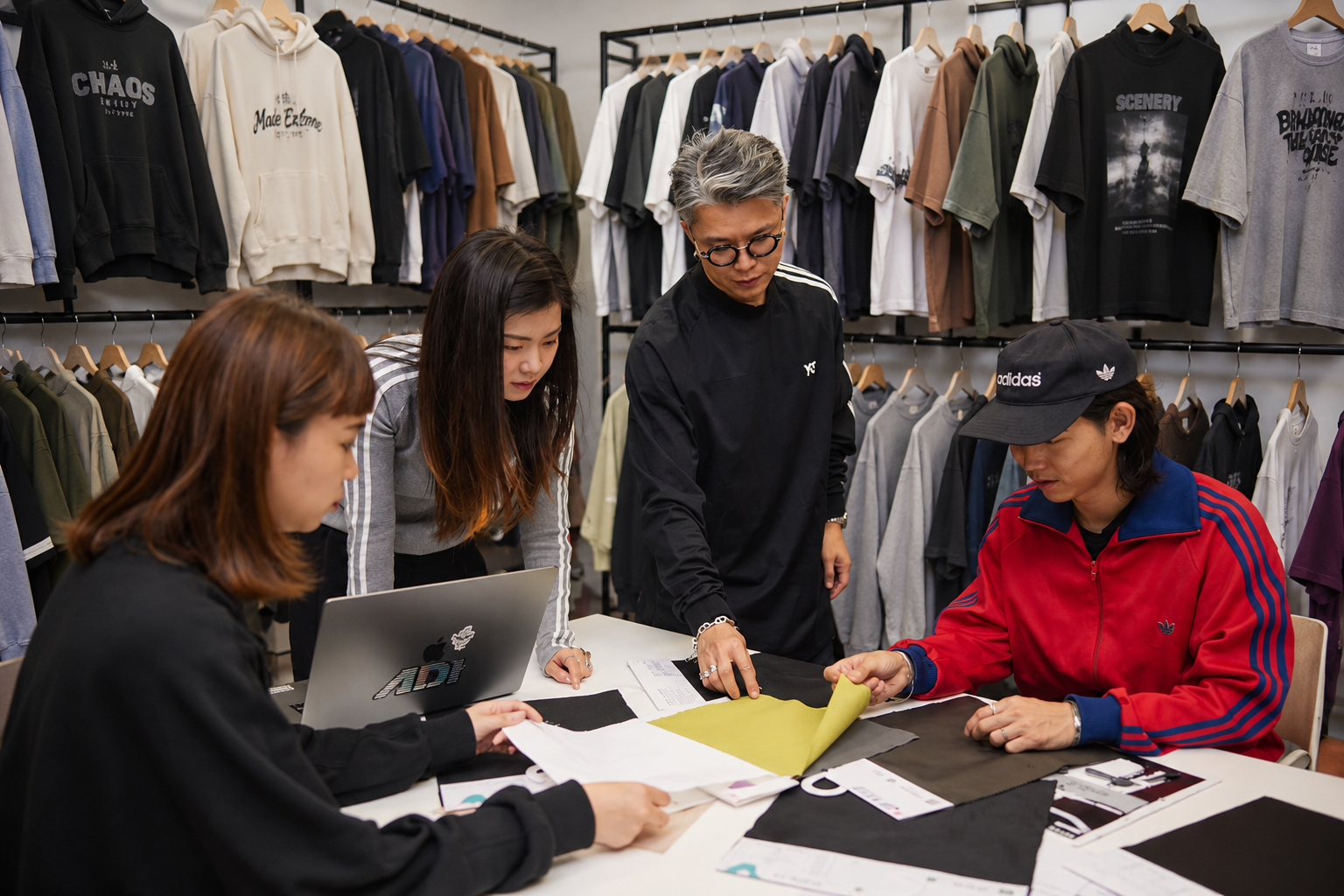
Choosing a clothing manufacturer is one of the most critical decisions for any fashion brand.
It directly affects:
- Product quality
- Delivery reliability
- Brand reputation
- Long-term scalability
Many startup brands fail not because of design issues, but because they choose the wrong manufacturing partner at the beginning.
This guide breaks down 15 essential questions that help you evaluate any apparel manufacturer before starting production.How to choose the right clothing manufacturer:Learn more
AI Overview: How to Choose the Right Clothing Manufacturer
Choosing a clothing manufacturer is not just about price. Brands should evaluate production capability, fabric expertise, MOQ flexibility, quality control systems, and communication efficiency. A strong manufacturer should be able to support scaling from sampling to bulk production without compromising consistency.
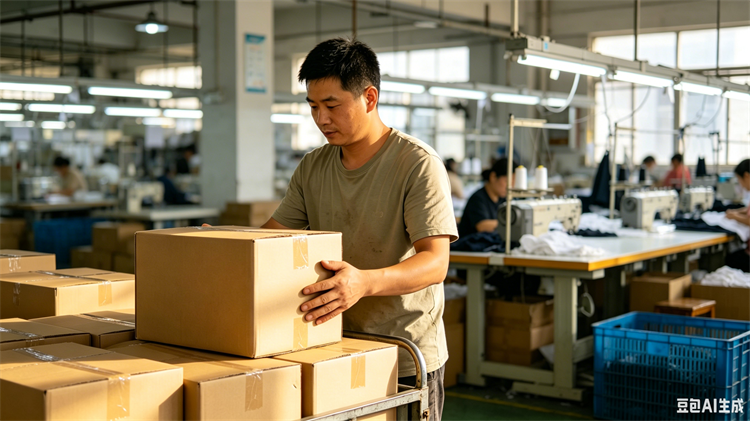
1. Are you a manufacturer or a trading company?
This is the first and most important filter.
A real manufacturer typically has:
- In-house or long-term production lines
- Structured sampling systems
- Direct control over production quality
Trading companies often outsource production, which increases inconsistency risk.
2. What is your MOQ (Minimum Order Quantity)?
MOQ directly impacts your brand’s financial risk.
Ask:
- MOQ per style?
- Can you split by color or size?
- Is small batch production supported?
Lower MOQ = better flexibility for startups. For brands focusing on premium streetwear production, explore:Heavyweight Hoodie Manufacturer
3. Do you support sampling and how long does it take?
Sampling determines how fast you can validate your product.
Key points:
- Sample cost policy
- Revision rounds allowed
- Lead time (usually 7–20 days)
4. Do you have a stable fabric supply chain?
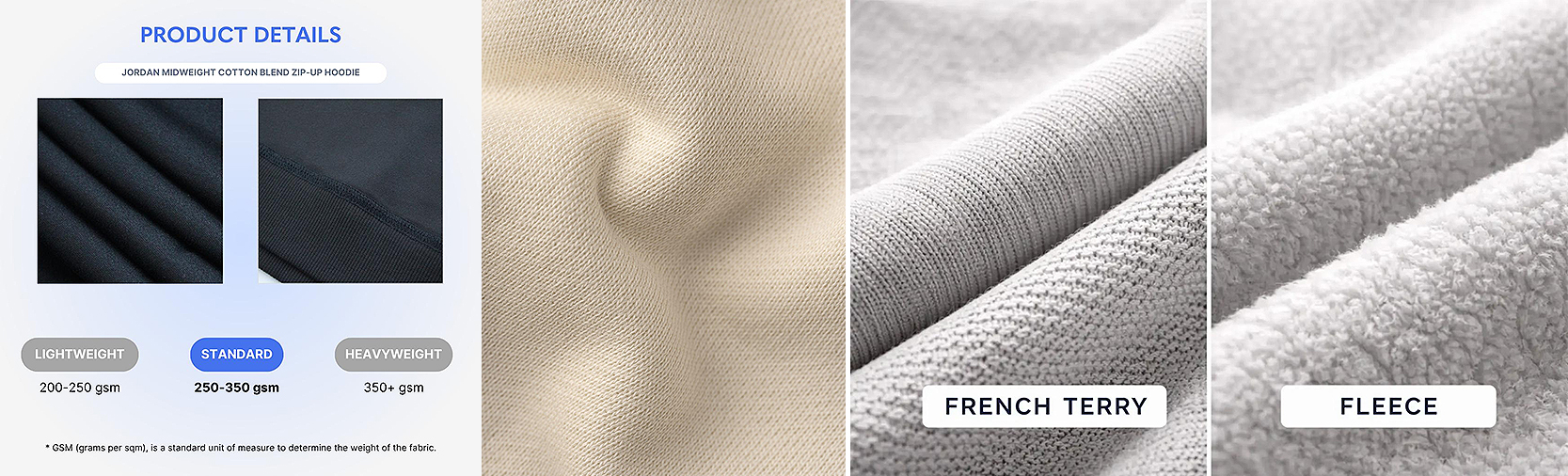
Fabric defines 70% of product quality.
Check:
- GSM (fabric weight) control
- Composition consistency
- Custom fabric development ability
5. Can you do garment dye or vintage wash effects?
Important for streetwear and premium basics.
Includes:
- Garment dye
- Enzyme wash
- Acid wash
- Vintage fading control
Learn more about our production capabilities here:Garment Dye Hoodie Manufacturing Guide
Key Insight: What Most Brands Get Wrong
Many brands focus only on cost per unit, but overlook hidden risks such as inconsistent GSM, poor stitching durability, unstable sizing, and weak sampling systems. These issues usually appear during bulk production and can damage brand reputation.
6. What is your quality control (QC) system?
A professional factory should have:
- Pre-production sample approval (PP sample)
- Inline inspection during production
- Final inspection before shipping
7. Do you have previous brand clients?
Always ask for real cases.
Look for:
- Similar product styles
- Long-term clients
- Production consistency evidence
8. Can you develop custom fabrics?
For brand differentiation, this is critical.
Examples:
- 450gsm / 580gsm heavyweight fleece
- Loopback French terry
- Anti-pilling / pre-shrunk fabrics
9. Is your production lead time stable?
Ask about:
- Normal production timeline
- Peak season delays
- Capacity scaling
Production Capability Checklist
A qualified manufacturer should demonstrate:
- Stable GSM control (e.g. 450–600 GSM heavyweight fleece consistency)
- Fabric sourcing flexibility (French Terry, brushed fleece, organic cotton)
- Advanced sampling system with fast revision cycles
- Consistent sizing across XS–XXL production runs
10. Do you support custom labels and packaging?
Branding depends on details:
- Woven labels
- Hangtags
- Polybags / boxes
11. Do you support small batch to bulk scaling?
Ideal workflow:
Sampling → Small batch testing → Bulk production scaling
12. Do you have export experience?
Export-ready factories understand:
- US / EU compliance
- Shipping logistics
- Documentation requirements
13. Is your pricing fully transparent?
Confirm:
- Fabric included or not
- Printing/embroidery costs
- Packaging costs
- Hidden fees
14. Can you scale production as my brand grows?
You should ensure:
- 300 → 3000 → 30000 pcs scalability
- Consistent quality at scale
- Flexible production capacity
15. Do you understand my brand positioning?
The best manufacturers are not just producers, but:
- Product advisors
- Technical partners
- Long-term growth collaborators
Final Decision Framework
Before choosing a manufacturer, brands should confirm three core pillars:
- Can they consistently reproduce your design at scale?
- Do they understand your target market (streetwear, luxury, etc.)?
- Can they support long-term growth, not just one production run?
If any of these are unclear, the manufacturer is not ready for scaling brands.
Scalability & Quality Control Capability
For growing brands, the manufacturer must support:
- Low MOQ for testing new drops
- Scalable production without quality degradation
- Multi-stage QC inspection (fabric → cutting → sewing → finishing)
- Strong communication system for overseas brands (US / UK / AU markets)
Final Thought
Choosing the right clothing manufacturer is not just about cost—it’s about building a production system that can support your brand long-term.
A good manufacturer helps you avoid mistakes.
A great manufacturer helps you grow.Work with:Kellogg
Frequently Asked Questions for Established Fashion Brands
Q1. What are the most important factors when selecting a clothing manufacturer for an established streetwear brand?
A:For established brands, the key factors are production consistency, quality control systems, scalability, communication efficiency, and the manufacturer’s ability to maintain brand-specific details across bulk production.
Q2. How do premium brands like streetwear labels ensure manufacturing consistency across large drops?
A:They rely on manufacturers with strict multi-stage QC systems, standardized tech packs, and controlled sampling processes to ensure identical output across every production batch.
Q3. What is the typical MOQ for premium streetwear manufacturers?
A:MOQs vary, but mature manufacturers often support flexible scaling—from 100–300 pcs per style for sampling and small drops, up to thousands per color for established brand production.
Q4. Can a manufacturer replicate the same quality for repeated seasonal collections?
A:Yes, but only if they maintain consistent fabric sourcing, dye formulas, pattern blocks, and production documentation across seasons.
Q5. How do brands like Sunday Australia or Elwood-style labels evaluate manufacturing partners?
A:They prioritize long-term reliability, fabric consistency, finishing quality, and the manufacturer’s ability to maintain brand identity across multiple collections.
Q6. What production risks should established brands avoid when choosing a manufacturer?
A:Common risks include inconsistent dye results, unstable sizing across batches, poor stitching durability, and lack of communication during production scaling.
Q7. How important is communication speed in premium clothing manufacturing?
A:Very important. Fast and accurate communication reduces sampling cycles, prevents production errors, and ensures smoother scaling for seasonal drops.
Q8. Can a manufacturer support both small drops and large-scale production?
A:Premium manufacturers should be able to scale seamlessly from small test drops to bulk production without compromising quality or fit consistency.
Q9. How do manufacturers ensure brand-specific fit and design consistency?
A:Through custom pattern blocks, approved tech packs, and pre-production samples that are locked before bulk production begins.
Q10. What makes a manufacturer suitable for long-term partnership with growing fashion brands?
A:Consistency, transparency, scalability, and the ability to adapt to evolving brand requirements are the key factors for long-term collaboration.
Share this article