From 300 to 1,000 Sweatshirts: How KELLOGG Managed a Consistent Repeat Order in 15 Days
 A successful first order gives a brand a product to build on. A larger repeat order brings a different question: will the next batch preserve the fabric, fit and finishing that made the original worth reordering?
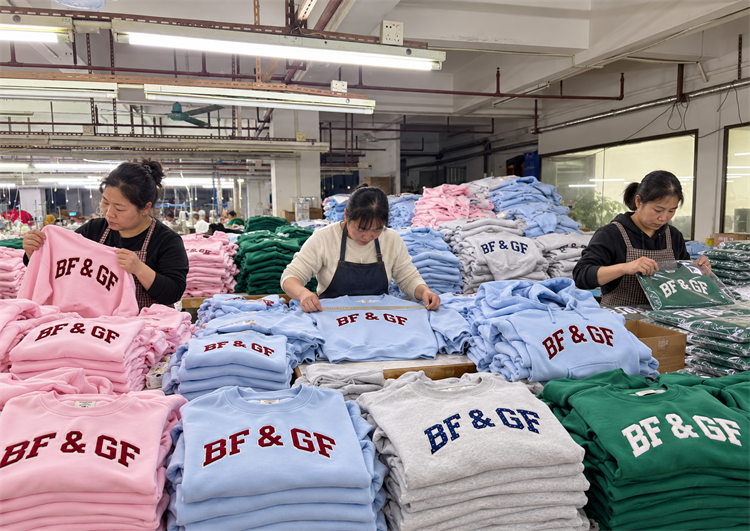
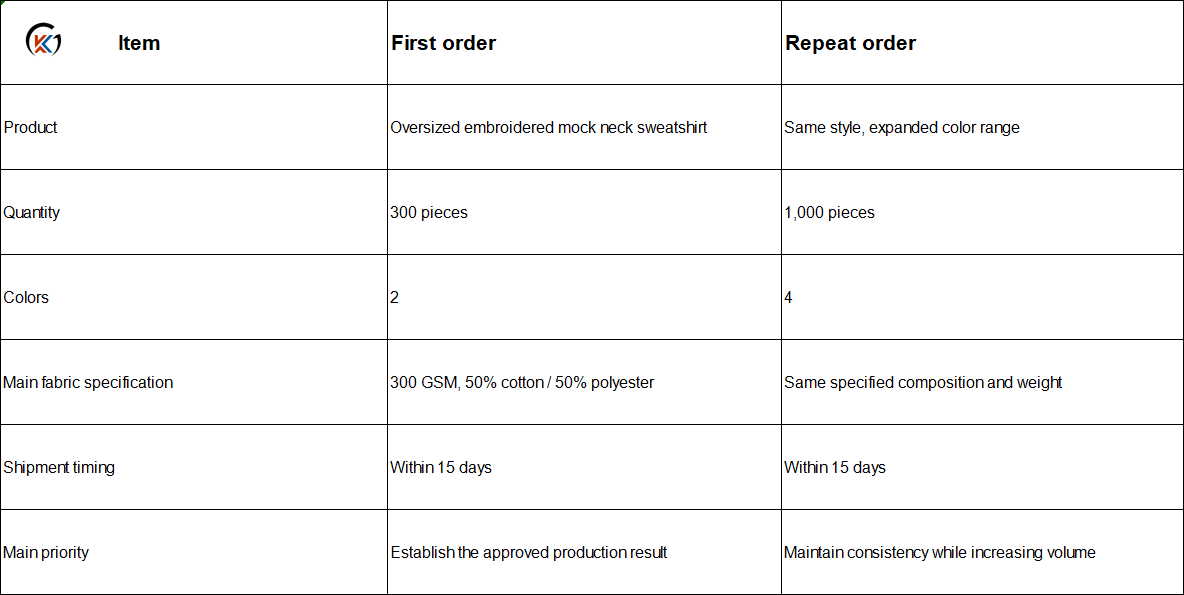
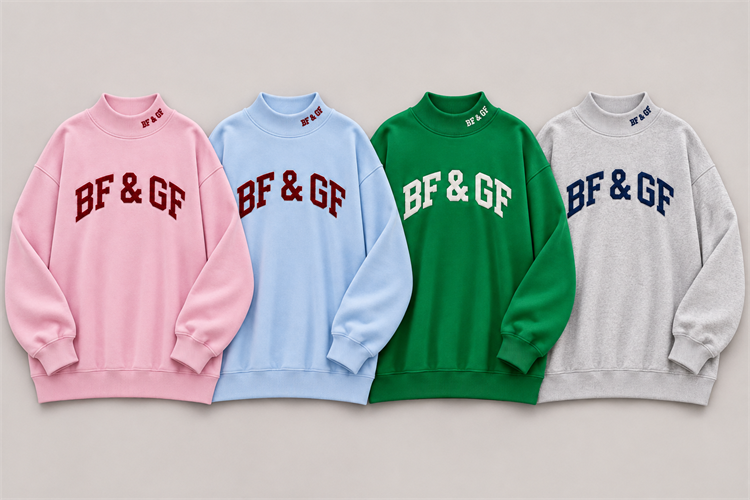
For this project, the customer first ordered 300 embroidered mock neck sweatshirts across two colors. KELLOGG completed shipment within 15 days. When the customer returned with an order for 1,000 pieces across four colors, their main concern was consistency between the two production runs.
The larger order also shipped within 15 days. The production challenge was to protect the established garment standard while coordinating more pieces and more color variations.
Project Overview
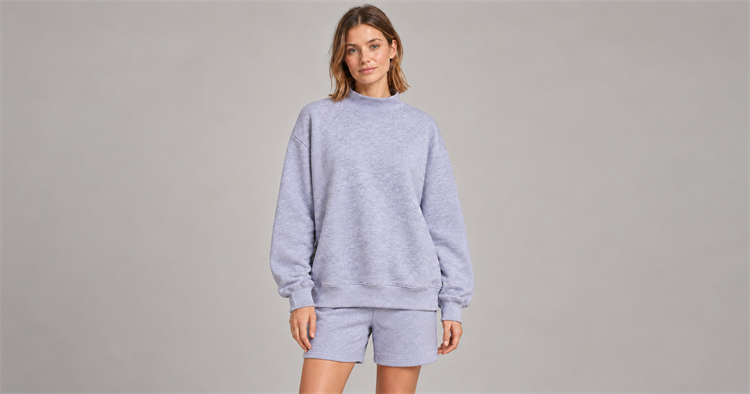
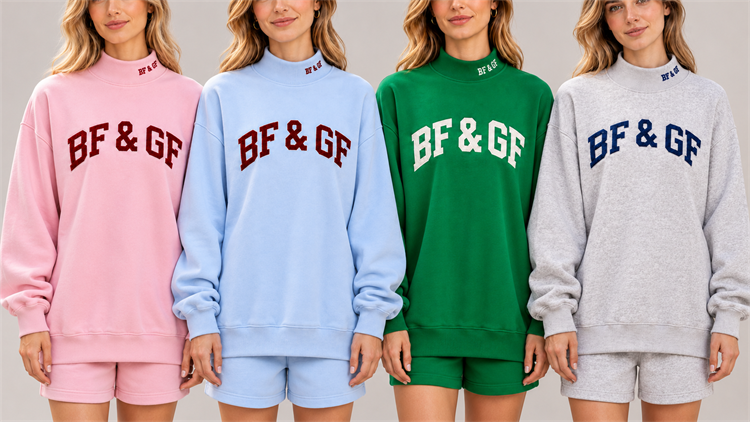
The product reference is KELLOGG’s custom women’s 300 GSM oversized mock neck sweatshirt with embroidery. It combines a brushed interior, dropped shoulders, a relaxed longer body, ribbed trims, and embroidery on the chest and collar.
1. The First 300 Pieces Established the Reference
The first order covered two colors and gave the customer a practical starting quantity for the style. Before bulk production, the garment needed a clear definition: fabric composition and weight, body proportions, collar construction, embroidery appearance and finishing requirements.
For this design, the mock neck and embroidery deserve particular attention. Small changes in collar height or rib tension can alter the neckline. Changes in embroidery placement, backing or stitch execution can affect both appearance and comfort.
KELLOGG used the approved specifications to guide the first production run and shipped the 300 pieces within 15 days. The completed first batch then became the reference for the reorder.
2. The Customer’s Concern: Would the Reorder Feel Like the Same Product?
The second order increased to 1,000 pieces and four colors. The customer wanted the larger batch to remain consistent with the first, rather than become a slightly different version of the sweatshirt.
The concern covered several connected details: fabric softness and structure, the oversized fit, the mock neck shape, and the embroidery finish. For colors being repeated, the new material also needed comparison with the original approved shade. Any newly introduced colors required their own approval.
Our guide to keeping apparel consistent across repeat orders explains why matching a style name and GSM alone does not fully define the result a buyer expects.
3. Turning the First Batch Into a Repeatable Standard
KELLOGG’s response was to make the reference specific enough for the production team to use.
Retain a garment from the approved first batch
A retained bulk garment provides a direct reference for what the customer actually received. It allows the team to compare the new output with the first order’s silhouette, fabric feel, collar shape and decoration.
The physical reference was considered alongside the final measurements, pattern version and production comments. This helped prevent an earlier development sample or outdated specification from becoming the instruction for the reorder.
Compare the new fabric before cutting
The repeat order kept the specified 300 GSM, 50% cotton and 50% polyester fabric. The review also considered its surface, brushed reverse, drape and behavior against the reference garment.
Fabric that meets the same composition and nominal weight can still feel different. Checking it before cutting gives the team an opportunity to resolve a difference before it becomes finished inventory.
Confirm all four color standards
Repeated shades were checked against their approved references, while additional shades were reviewed as separate color approvals. Rib and embroidery thread selections were considered with each body color.
Materials and cut panels were identified by color and batch so that pieces from different lots could be kept traceable during production.
Preserve the embroidery details
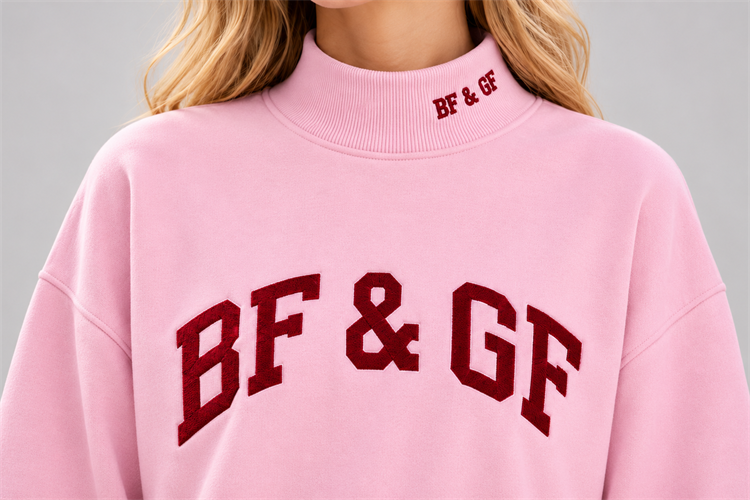
The approved artwork, dimensions, placement and embroidery setup provided the starting point for the repeat run. Early embroidery output was reviewed for lettering shape, puckering and backing comfort before the process advanced through larger quantities.
The aim was to preserve the garment’s established identity while allowing the color range to expand.
4. How the 1,000-Piece Order Was Organized for a 15-Day Shipment
The larger order benefited from the development work already completed for the first run. The style did not need to be recreated from the beginning, but the new materials and color variations still needed review.
KELLOGG organized production around four practical controls.
Confirm readiness before committing the schedule. Material availability, the color-and-size breakdown, trims and approval requirements were checked together. This helped establish whether the order could proceed without waiting for an unresolved component.
Coordinate cutting, embroidery and sewing. The team planned the movement of prepared bundles between operations so that one stage could feed the next. Color identification remained attached to the work as quantities moved through production.
Check early output against the first order. The first completed garments were reviewed for fit, collar shape, embroidery and workmanship. Checking early created an opportunity to correct a repeated issue before it affected the full order.
Include inspection and packing in the plan. Finished measurements, appearance, decoration, labels and order quantities were checked before dispatch. Packing was organized against the approved color-and-size breakdown.
These activities form part of the broader coordination involved in bulk apparel production and OEM/ODM manufacturing.
The 15-day shipment was the result for this project. Lead times for other orders depend on material readiness, approvals, product complexity, capacity and order requirements. Shipment timing also differs from international transit and delivery to the customer.
5. The Result: A Larger Order With a Clear Production Reference
The first order comprised 300 pieces in two colors. The second expanded to 1,000 pieces in four colors. Both shipped within 15 days.
For the customer’s consistency concern, the practical response was to connect the reorder to a retained garment, current specifications, approved color references and early production checks. This gave the team concrete comparison points throughout the larger run.
The case illustrates how a manufacturer can reuse approved development work while reviewing the variables that change between orders. That approach supports both repeatability and a more predictable production schedule.
Planning Your Own Sweatshirt Reorder
For brands developing similar products, KELLOGG’s custom lifestyle apparel manufacturing services cover product development, sampling and bulk production.
To discuss a reorder, prepare your retained garment, latest measurements, fabric and color references, quantities by color and size, and target dispatch date. Identify which details must remain unchanged and which are being updated.
Discuss your sweatshirt production requirements with KELLOGG to review the materials, approvals and production arrangements for your order.
Frequently Asked Questions
Q1. Can KELLOGG ship every sweatshirt order within 15 days?
A: The two orders in this case shipped within 15 days. A new project requires its own schedule assessment based on materials, approvals, construction, quantity and available capacity.
Q2. How can a brand make a sweatshirt reorder easier to control?
A: Keep an approved garment from the previous bulk run and maintain the latest specifications. Compare new materials and early production output with those references, and agree on changes before production proceeds.
Q3. Does adding colors require a new fit development process?
A: An unchanged style may reuse its approved pattern and measurements, but each new color still requires material and decoration review. If a new fabric or finish changes the garment’s behavior, additional sampling may be necessary.
Share this article