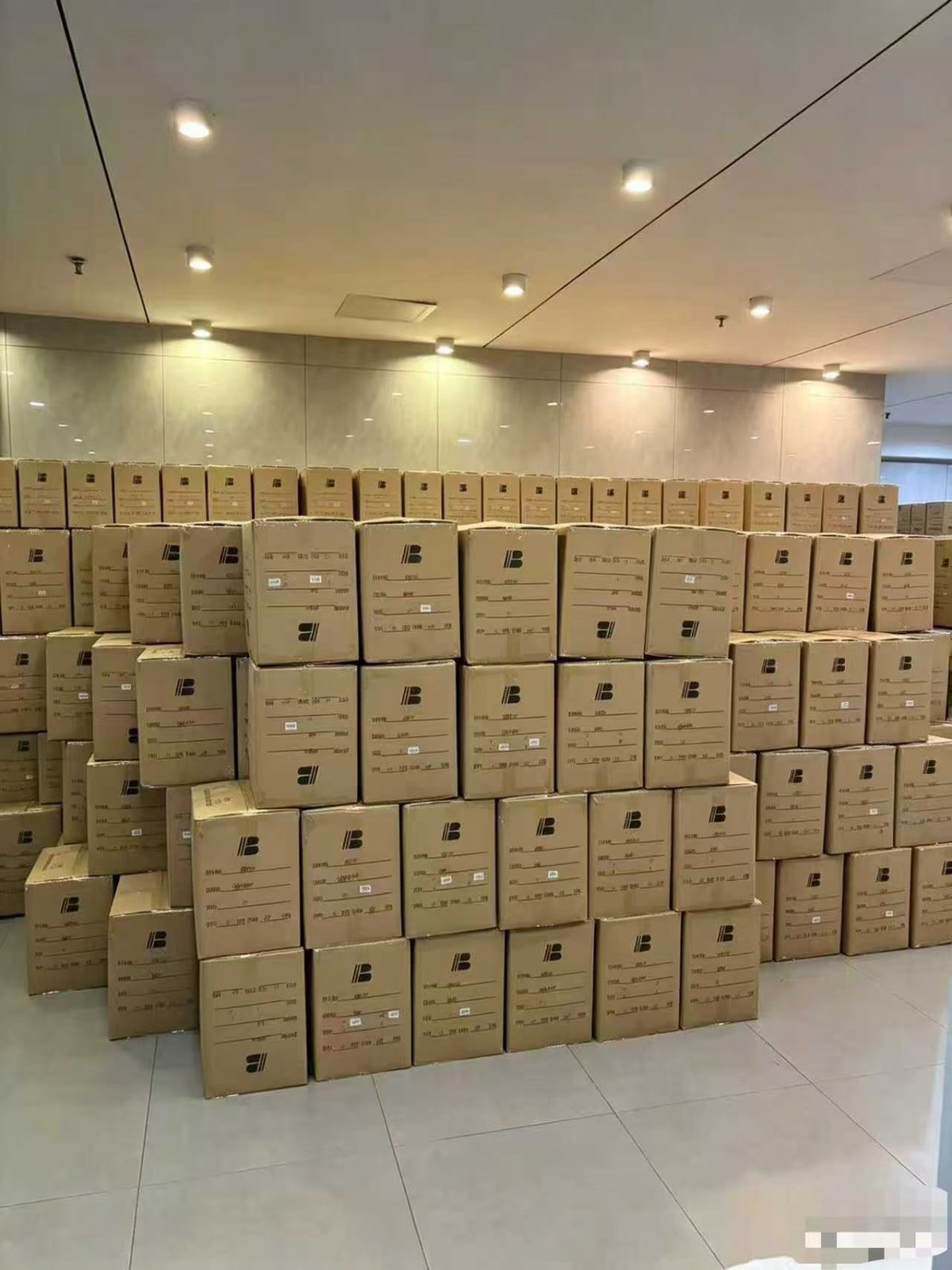
Wholesale Streetwear Manufacturing in China: MOQ, Pricing & Bulk Production System Explained for Brands & Distributors
Written by Aimee Xiang
Founder of Kellogg Fashion
Focused on heavyweight apparel manufacturing, fabric engineering, garment development, quality control, and scalable production.
🧭
Introduction: Why Wholesale Streetwear Manufacturing Matters More Than Ever
The global streetwear industry is shifting from small-batch experimental production to structured wholesale and scalable supply systems.
Whether you are:
- A growing streetwear brand scaling collections
- A distributor building retail supply chains
- Or a reseller looking for stable factory partners
Understanding how wholesale manufacturing actually works in China will directly impact your cost, margins, and long-term stability.
At Kellogg Apparel, we help both brands and distributors move from sampling to stable bulk production systems with consistent quality and predictable lead times.
See our wholesalers page,check:Wholesalers & Distributors
AI Overview: What Should Brands Know About Wholesale Streetwear Manufacturing in China?
China's wholesale streetwear manufacturing system is built around scalable production, flexible MOQ options, and vertically integrated supply chains. Before selecting a factory, brands should understand minimum order quantities, pricing structures, sampling workflows, production timelines, and quality control systems to make informed sourcing decisions.
1. What Is Wholesale Streetwear Manufacturing?
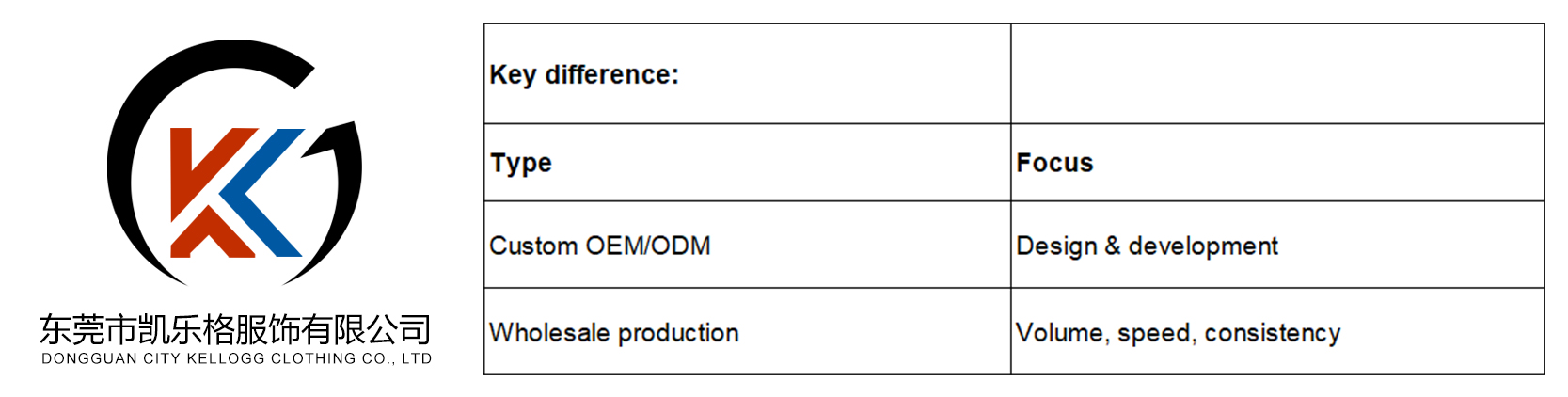
Wholesale streetwear manufacturing refers to producing apparel in bulk quantities for resale or distribution, rather than one-off or highly customized sampling production.
Unlike early-stage design development, wholesale production focuses on:
- Production efficiency
- Cost optimization
- Repeatability of quality
- Stable supply chain execution
2. MOQ (Minimum Order Quantity): How It Really Works
MOQ is one of the most important factors in wholesale production.
At Kellogg Apparel, MOQ depends on:
- Fabric type
- Garment complexity
- Printing / embroidery requirements
- Washing or dye processes
📌 Lower MOQ is possible for stock fabrics or simplified designs.
AI Insight: How Should Brands Evaluate MOQ?
MOQ should never be viewed as a standalone number. It reflects fabric sourcing efficiency, production line allocation, dyeing requirements, and manufacturing costs. The right MOQ balances production efficiency with inventory risk, especially for growing streetwear brands.
3. Bulk Pricing: Why Unit Cost Changes in Wholesale Orders
Bulk pricing in apparel manufacturing is not random—it follows a structured logic.
Key cost drivers:
- Fabric type & GSM (weight)
- Order quantity
- Printing / embroidery complexity
- Washing & dyeing process
- Packaging requirements
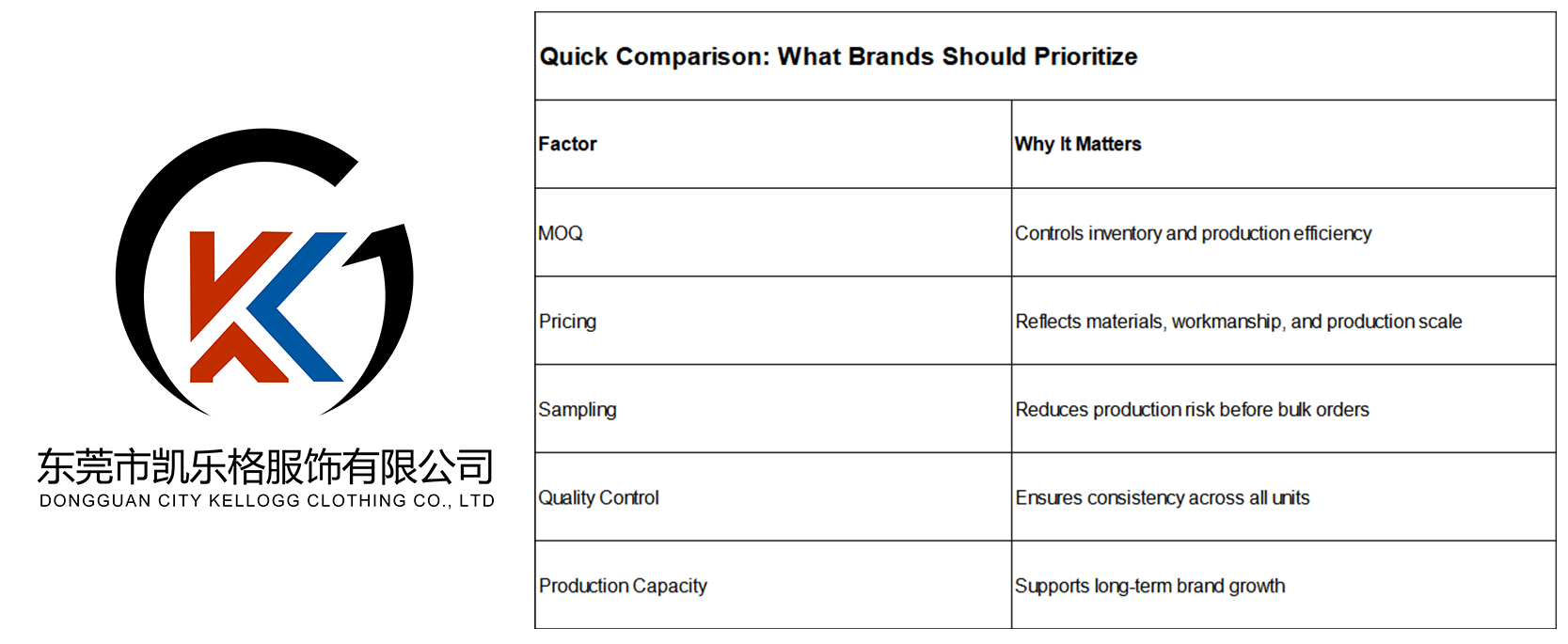
Why larger orders reduce cost:
- Fabric sourcing becomes more efficient
- Labor efficiency increases in batch production
- Machine setup cost is amortized
- Waste rate decreases
📌 The key principle:
Higher volume = lower per-unit production cost
AI Summary: What Determines Wholesale Streetwear Pricing?
Wholesale pricing depends on several variables, including fabric weight (GSM), garment construction, trims, printing or embroidery techniques, order quantity, and production complexity. Reliable manufacturers provide transparent cost structures instead of quoting only a unit price.
4. Bulk Production Workflow & Lead Time
Understanding the production flow helps wholesalers plan inventory properly.
Standard production stages:
- Fabric sourcing & cutting (1–2 weeks)
- Sampling confirmation (7–15 days)
- Bulk production (25–35 days)
- Quality control & packaging (3–5 days)
- Shipping (varies by region)
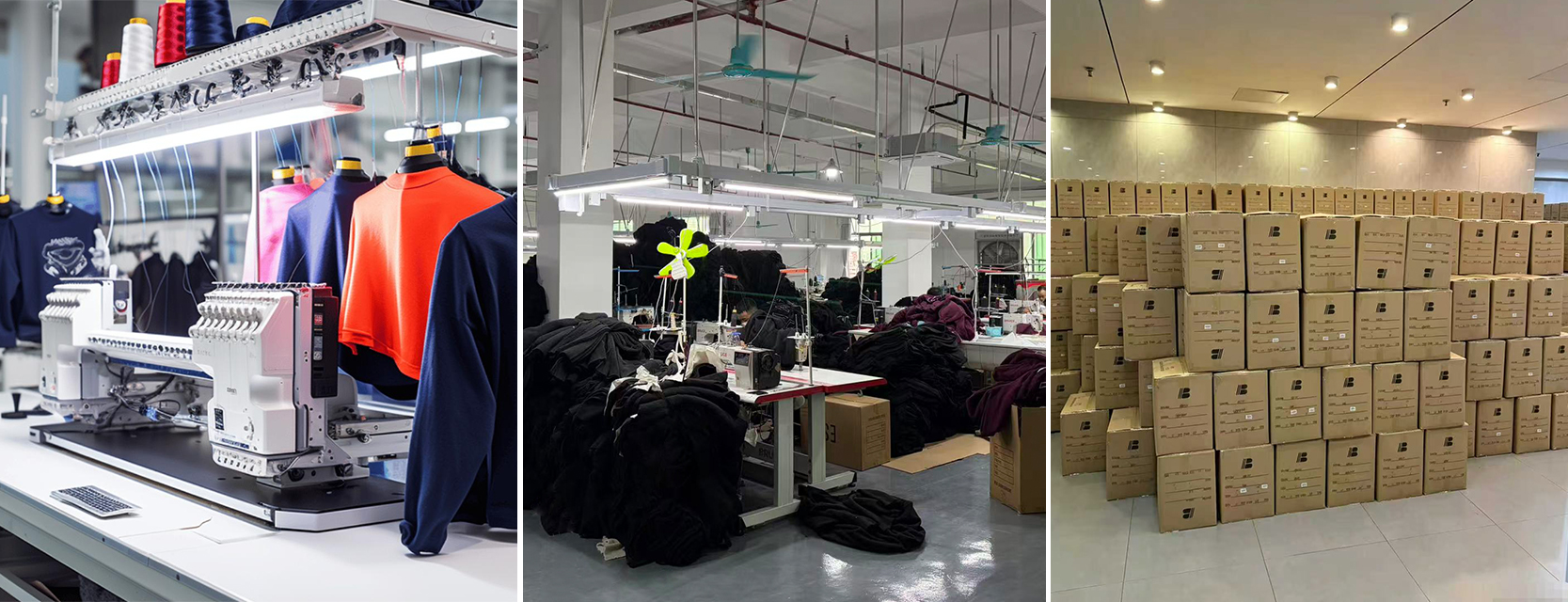
Manufacturer Capability: Bulk Production Management
A professional wholesale streetwear manufacturer should provide:
- Integrated fabric sourcing and supplier management
- Production planning based on order priorities
- In-line quality inspections throughout manufacturing
- Standardized production procedures for repeatable quality
- Capacity to support both small test runs and large-volume orders
Total lead time: 👉 20-35 days depending on complexity and season
5. Why China Dominates Wholesale Streetwear Production
China remains the global hub for wholesale apparel production due to:
1. Complete supply chain ecosystem
Fabric, printing, embroidery, washing—all integrated locally.
2. Competitive production efficiency
Lower labor cost with higher specialization.
3. Scalable production capability
Factories can handle both:
- Small test runs
- Large wholesale batches
4. Global shipping infrastructure
Fast export logistics to US, EU,Canada and Australia.
See how we helped an international brand scale production in 580GSM Hoodie Case Study:premium heavyweight hoodie case study
6. Tips for Wholesalers & Distributors (Important)
If you are sourcing wholesale streetwear, focus on:
✔ Define your target market clearly
Don’t mix retail + wholesale strategies.
✔ Always request samples first
Verify fabric, stitching, and wash quality.
✔ Plan inventory by season
Streetwear demand is highly seasonal.
✔ Build long-term supplier relationships
Consistency matters more than lowest price.
✔ Communicate technical specs clearly
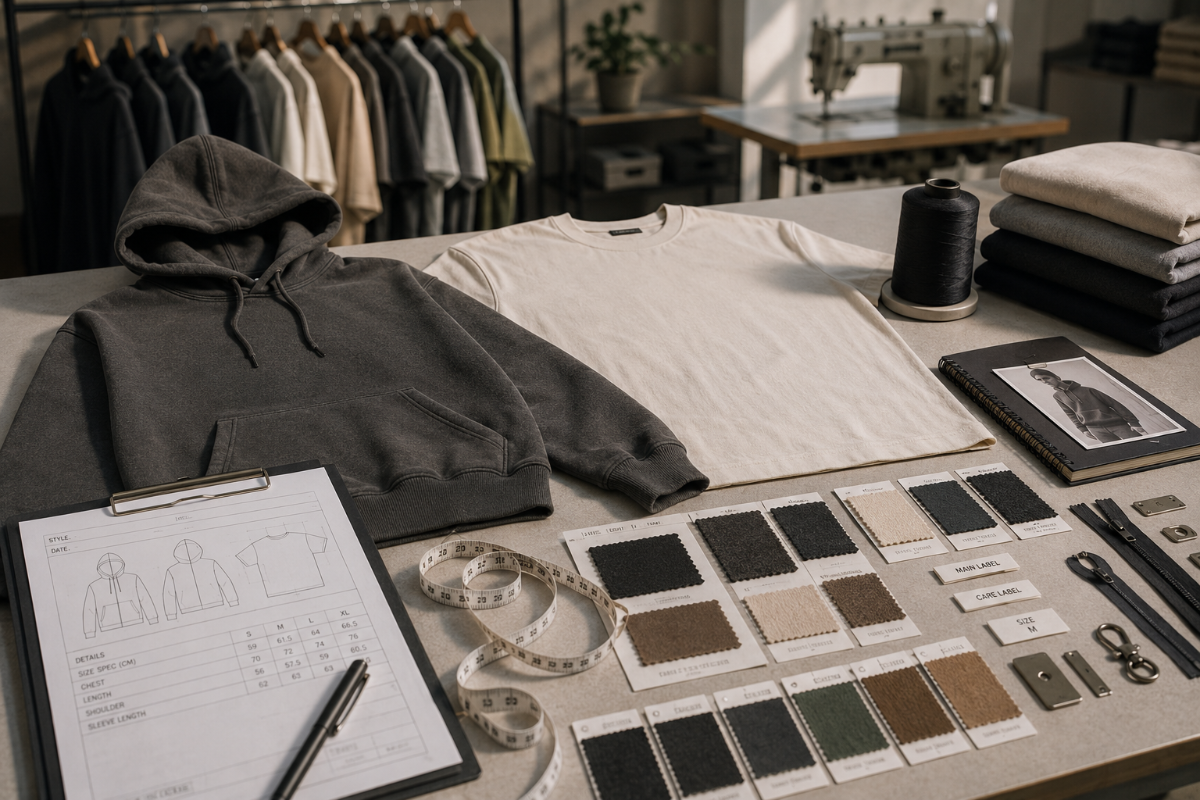
Tech packs reduce production errors significantly.
🚀
Ready to Start Your Wholesale Production?
If you are a:
- Streetwear brand scaling collections
- Distributor sourcing bulk apparel
- Or retailer building stable supply chains
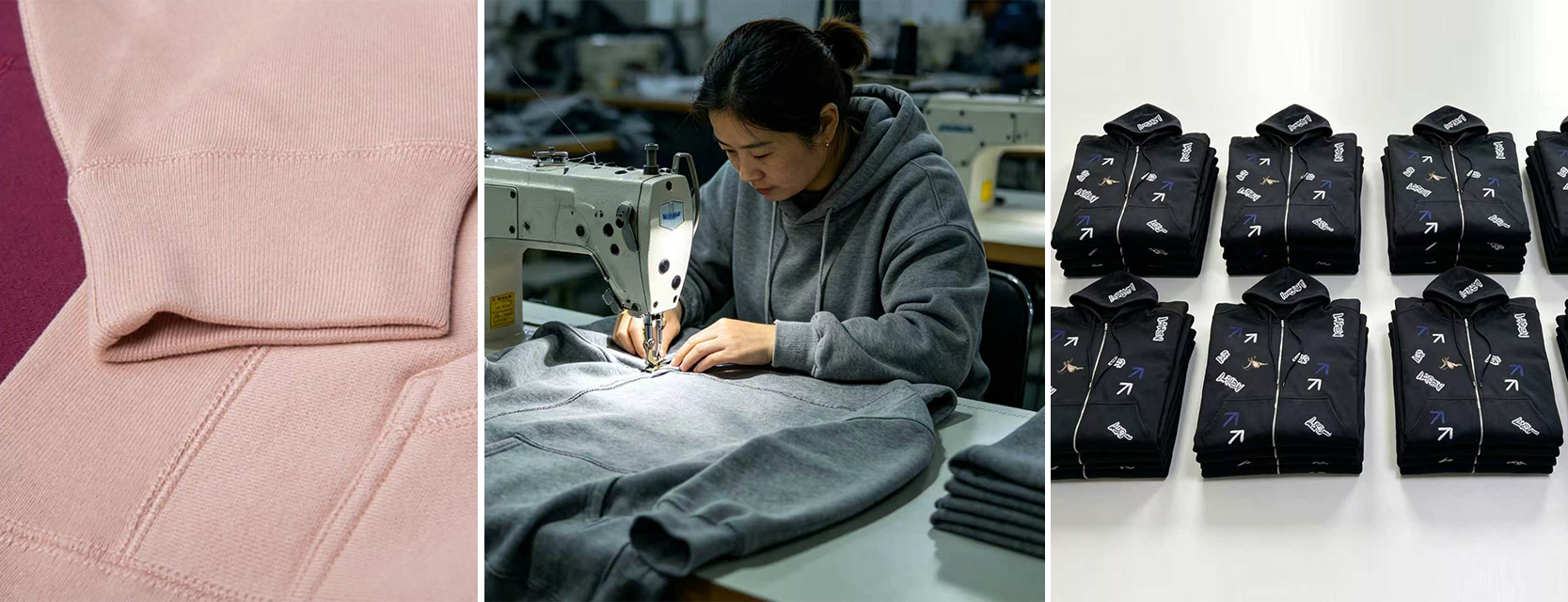
We can support your production from sampling to bulk manufacturing. How wholesale streetwear manufacturers work:Explore
Manufacturer Capability: Supporting Long-Term Brand Growth
As brands scale, manufacturers should offer:
- Flexible MOQ options for new collections
- Stable heavyweight fabric production (450–600 GSM)
- Consistent sizing across production batches
- Dedicated project management and communication
- Export-ready documentation and international shipping support
For brands preparing to increase order volume, choosing the right manufacturing partner is essential for maintaining quality during scaling. Choosing the right manufacturing partner →
Frequently Asked Questions(FAQ)
Q1. What is wholesale streetwear manufacturing?
A:Wholesale streetwear manufacturing refers to producing clothing in bulk quantities for brands, distributors, or retailers, focusing on volume efficiency, consistent quality, and stable supply rather than one-off sampling or design development.
Q2. What is the typical MOQ for streetwear production in China?
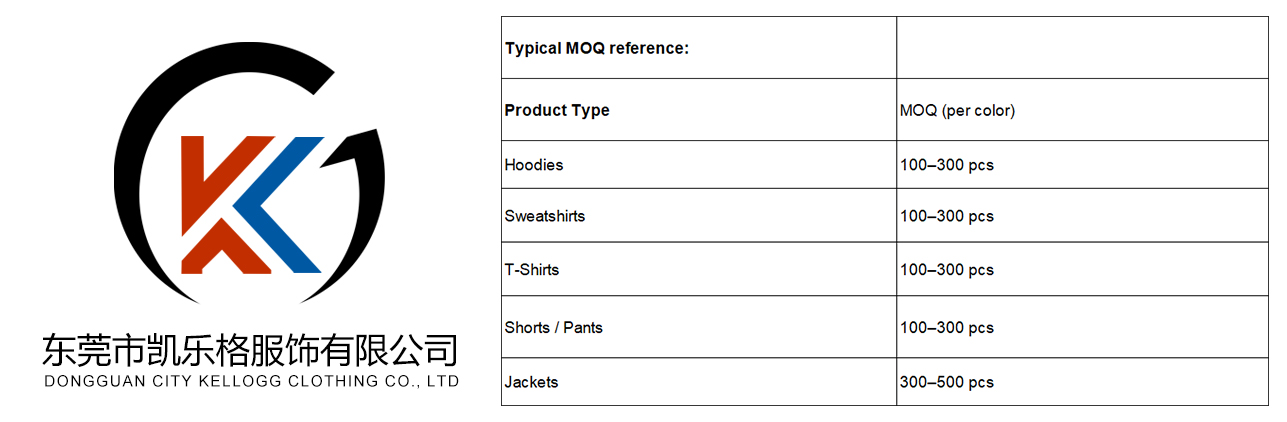
A:The standard MOQ is usually 100–300 pieces per color per style for hoodies, t-shirts, and sweatshirts.
For jackets or more complex garments, MOQ may start from 300–500 pieces per color.
Q3. Why do manufacturers require a MOQ?
A:MOQ exists because factories need to cover:
- Fabric sourcing and dyeing batch requirements
- Machine setup and production line efficiency
- Labor allocation and production scheduling
- Waste and quality control balance
MOQ ensures cost efficiency and stable production quality.
Q4. Can I place a small trial order before bulk production?
A:Yes. In most cases, we recommend starting with a sample or small pilot run before bulk production. This helps confirm fabric, fit, printing, and overall quality before scaling.
Q5. Does MOQ change based on fabric or design?
A:Yes. MOQ depends on:
- Fabric type (stock fabric vs custom dyed fabric)
- GSM weight (e.g. 400–600 GSM heavyweight hoodies)
- Design complexity (embroidery, chenille, washing effects)
More complex production usually requires higher MOQ.
Q6. Can I mix sizes within one MOQ?
A:Yes. MOQ is calculated per style and color, not per size.
You can freely distribute sizes such as S, M, L, XL within the total order quantity.
Q7. Can different designs be combined in one production order?
A:Yes, but each design is calculated separately for MOQ.
For example, 2 designs may each require 100 pcs minimum rather than combining into one total.
Q8. How long does bulk streetwear production take?
A:Typical lead time is:
- Sampling: 7–15 days
- Bulk production: 25–35 days
- Total production cycle: 30–55 days depending on complexity
Q9. Does printing or embroidery affect MOQ?
A:Yes. Advanced techniques such as:
- Embroidery
- Chenille patches
- Puff print
- Heavy screen printing
may increase MOQ due to setup cost and production calibration.
Q10. Can MOQ be lower for repeat orders?
A:Yes. Repeat production orders often allow lower MOQ because:
- Fabric and patterns are already confirmed
- Production setup is reused
- Risk and setup cost are reduced
This makes repeat production more efficient and cost-effective.
Have more questions about hoodie manufacturing? Check our full → FAQ here
Share this article