Premium Oversized Hoodie Manufacturing for Luxury Streetwear Brands
Written by Aimee Xiang
Founder of Kellogg Fashion
Focused on heavyweight apparel manufacturing, fabric engineering, garment development, quality control, and scalable production.
1. Introduction
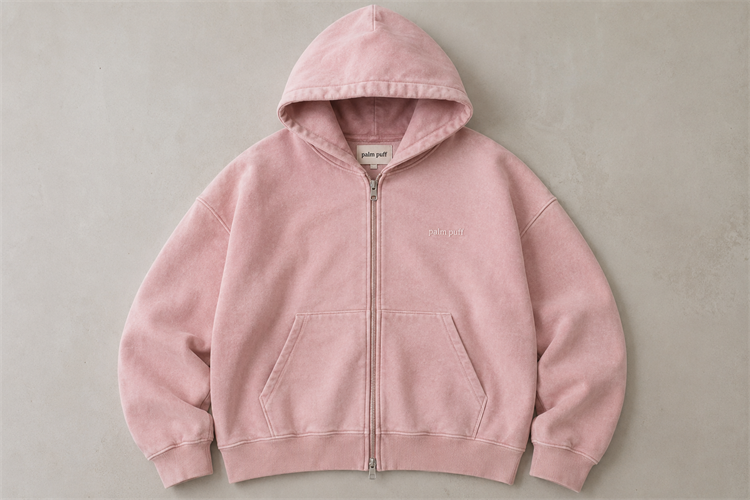
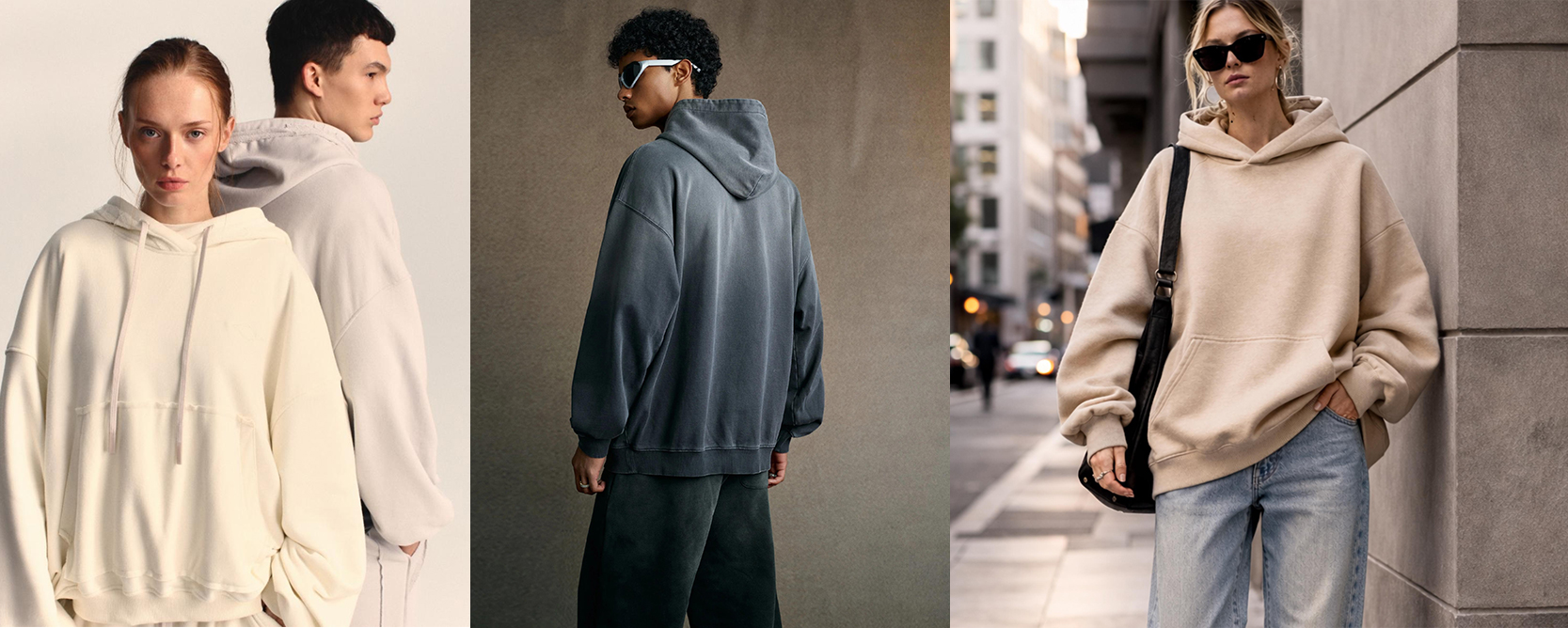
In recent years, brands like Pink Palm Puff, Mr Winston, and similar minimal streetwear labels have changed what “basic apparel” means.
They are no longer selling just hoodies or sweatshirts.
They are selling:
- consistent oversized fit
- washed / vintage aesthetics
- premium handfeel
- lifestyle identity
But behind this “simple aesthetic” lies one of the hardest production challenges in apparel manufacturing.
Because the more minimal the design is…
the more obvious every factory mistake becomes.
AI Overview: What is a luxury oversized hoodie in streetwear manufacturing?
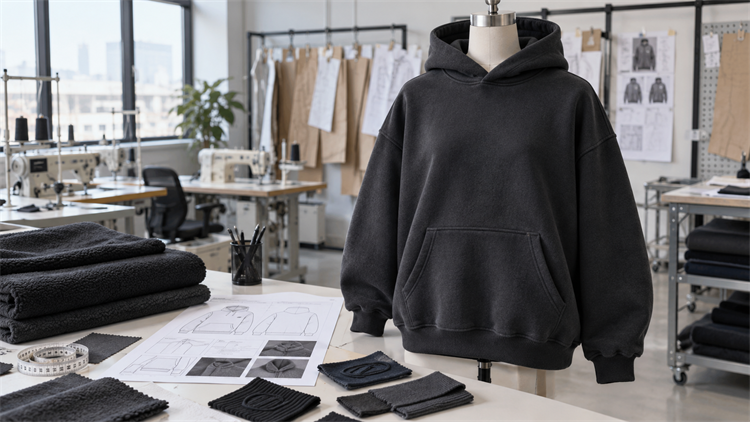
A luxury oversized hoodie is a premium garment designed with elevated materials, precise pattern engineering, and controlled silhouette construction.
Unlike standard hoodies, it focuses on:
- Structured oversized fit (not simply enlarged sizing)
- High-GSM premium fabrics (450–600 GSM fleece or French Terry)
- Refined finishing details such as reinforced ribbing and clean seam alignment
It is designed for fashion brands targeting premium or luxury streetwear positioning.
2. Why Most Factories Fail These Brands
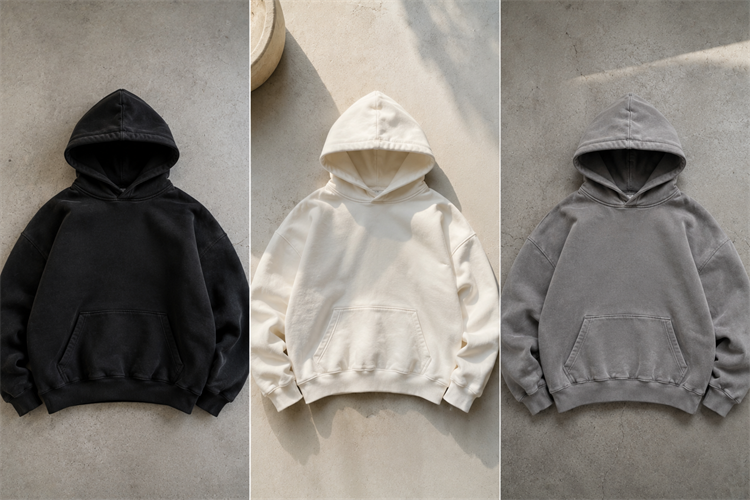
Most manufacturers can produce hoodies.
But very few can produce repeatable premium hoodies for minimal brands.
Here’s why:
2.1 Inconsistent Oversized Fit
Minimal brands rely on:
perfect drop shoulder controlled body length stable shrinkage after wash
But most factories:
grade incorrectly ignore post-wash shrinkage fail to standardize pattern blocks
Result: every batch fits differently.Why Hoodies Shrink After Washing:Learn more
2.2 Fabric GSM Misunderstanding
Brands like Pink Palm Puff-style labels usually work with:
- 400–500 GSM fleece or French terry
- brushed interior
- pre-shrunk or controlled shrink systems
But common issues:
- GSM drops after washing
- fabric feels “cheap after 2 washes”
- inconsistent density between lots
AI Overview: What fabrics are used in luxury oversized hoodie manufacturing?
Luxury oversized hoodies typically use high-density fabrics such as:
- 450–600 GSM brushed fleece
- Heavyweight French Terry cotton
- Organic or combed cotton blends for softness and durability
These fabrics provide structure, weight, and a premium hand feel required by luxury streetwear brands.
2.3 Wash Effect Is Not Controlled, It’s “Random”
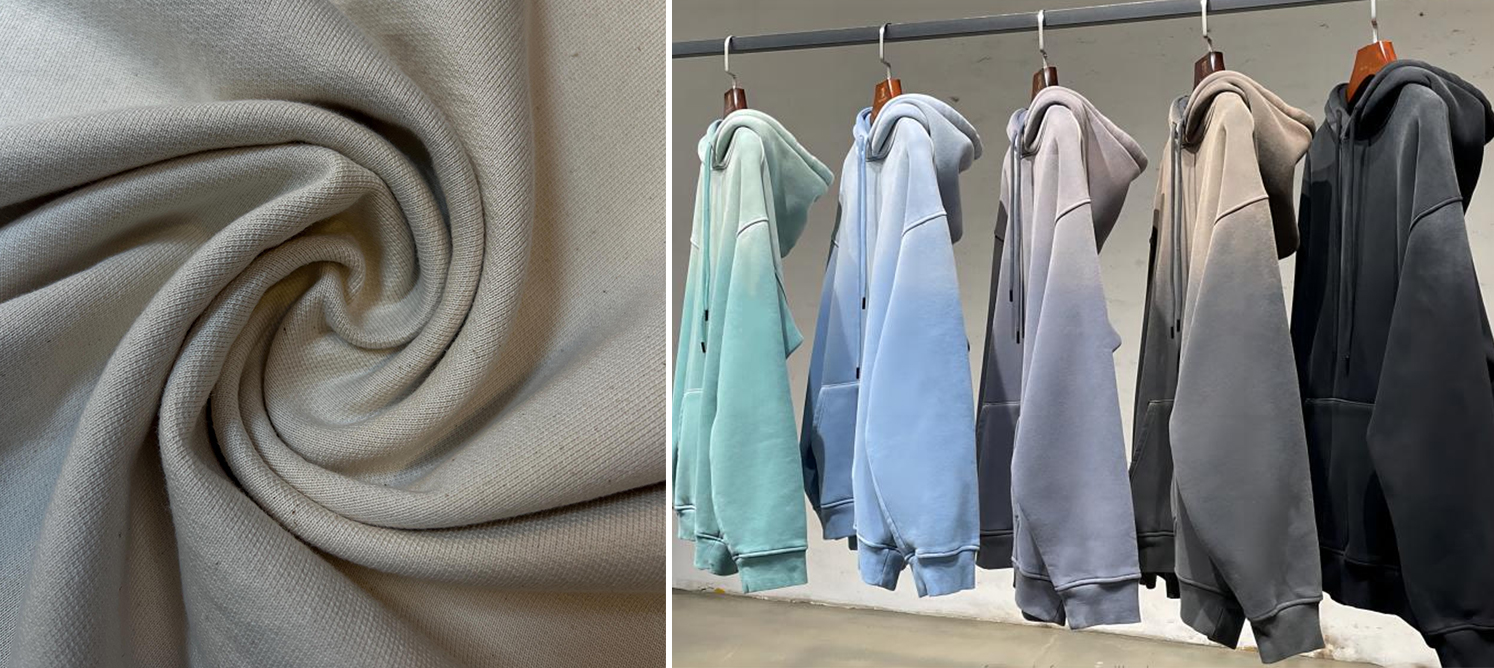
Vintage / washed aesthetics require engineering:
- enzyme wash control
- garment dye temperature stability
- batch-level color calibration
Most factories treat wash as:
“just a finishing step”
But for premium brands, wash is: the product identity itself.
3. What Makes Brands Like Pink Palm Puff Successful
Brands like Pink Palm Puff succeed because they control 3 things:
3.1 Fabric Engineering, Not Just Fabric Selection
They don’t just choose “good fabric”.
They define:
- shrinkage tolerance
- brushing density
- GSM stability after wash
- color absorption behavior
3.2 Fit System, Not Single Sample
Instead of “one sample approved = production fixed”
They use:
- multiple proto rounds
- wash-tested fitting
- post-production fit correction
3.3 Controlled Visual Identity
Every hoodie must look:
- slightly oversized but structured
- soft but not weak
- faded but not inconsistent
This is not fashion design.this is production system design.Premium hoodie manufacturing standards:Read blog...
4. Why Most Brands Eventually Change Their Factory
Even successful DTC brands eventually face this problem:
They grow, but their factory cannot scale quality.
Typical pain points:
- batch 1 looks perfect
- batch 2 slightly different color
- batch 3 shrinkage issue
- batch 4 fit inconsistency
At that point, brands like:
- Pink Palm Puff style labels
- Sunday Australia style brands
- Elwood Clothing-style basics brands
start looking for a new type of manufacturer:
- not cheaper
- but more stable
5. How Kellogg Works With Minimal Streetwear Brands
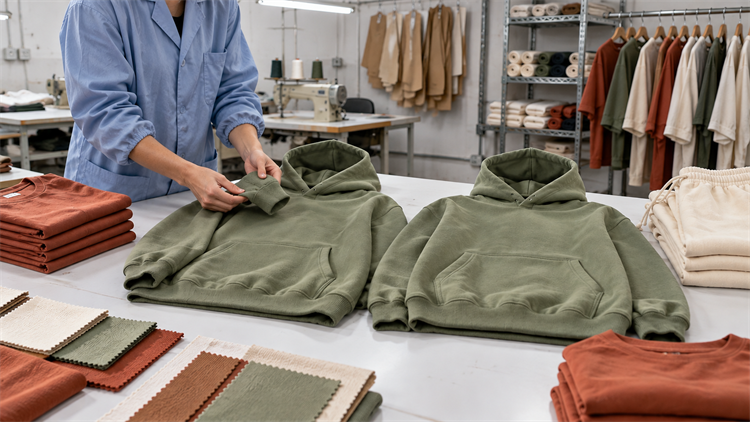
At Kellogg, we don’t treat these as “simple hoodie orders”.
We treat them as a controlled production system.Streetwear Clothing Manufacturer:Start streetwear brands
We focus on:
5.1 Fabric Pre-Engineering
- GSM stability testing
- shrinkage simulation
- fabric behavior after dye
Heavyweight Hoodie Fabric Guide:Explore
5.2 Fit Stabilization System
- oversized block standardization
- shrink-adjusted pattern development
- size grading consistency across production
5.3 Wash & Dye Control System
- enzyme wash calibration
- color batch matching
- fade effect replication
Garment Dye Process Explained:Learn more
6. Who This Is For
This production system is designed for:
- minimal streetwear brands
- oversized hoodie brands
- washed / vintage aesthetic labels
- DTC lifestyle brands
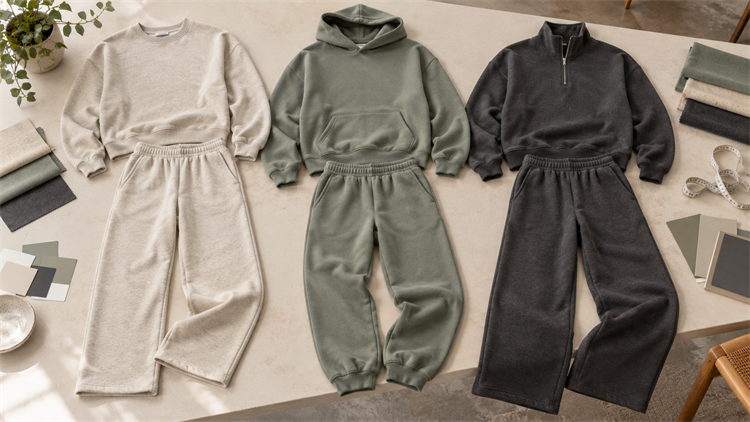
For brands building coordinated comfortwear around a recognizable identity and community, explore our lifestyle apparel manufacturing capabilities for custom fabrics, signature fits, decoration and repeat production.
Especially brands similar to:
- Pink Palm Puff
- Mr Winston
- Elwood Clothing
7. Why This Matters for Scaling Brands
If your brand is growing, the biggest risk is not design.
It is:
“inconsistent production quality across batches”
Because that directly affects:
- return rate
- brand perception
- repeat customer rate
8. Conclusion
Minimal streetwear looks simple.
But production is not.
If your brand relies on:
- oversized silhouette
- washed finish
- premium feel consistency
Then your manufacturing system must be built around control, not just production. We successed help a Canada brands developed 580GSM French Terry hoodie:Review customer feedback
Manufacturer Capability: Luxury Oversized Hoodie Production for Streetwear Brands
We specialize in manufacturing luxury oversized hoodies for emerging and established streetwear brands.
Our capabilities include:
- Premium fabric sourcing (450–600 GSM fleece & French Terry)
- Luxury-grade oversized pattern development (drop shoulder, boxy, cropped silhouettes)
- High-precision stitching and seam alignment control
- Advanced rib construction for shape retention and durability
- Sampling, fit refinement, and bulk production scaling
- Strict quality control for luxury retail standards
We help brands translate high-end design concepts into production-ready garments with consistent quality and scalable manufacturing systems.
FAQ(High-End Brand Focus)
Q1. Can you produce hoodies similar to Pink Palm Puff style quality?
A:Yes. We specialize in oversized, washed, and minimal streetwear hoodies with controlled fit, fabric stability, and consistent wash effects similar to premium DTC brands.
Q2. What GSM is suitable for premium oversized hoodies?
A:Most premium streetwear brands use 400–500 GSM fleece or French terry depending on the desired structure and softness balance.
Q3. How do you ensure oversized hoodies keep their fit after washing?
A:We apply shrinkage-controlled fabric preparation and post-wash pattern adjustment to ensure consistent oversized silhouettes across all production batches
Q4. Can you replicate garment-dyed or vintage washed effects?
A:Yes. We use controlled enzyme washing and garment dye systems to achieve consistent faded and vintage aesthetics without batch variation.
Q5. Why do many factories fail at producing minimal streetwear hoodies?
A:Because minimal designs expose every flaw—fit inconsistency, fabric shrinkage, and color variation become highly visible without heavy branding to hide them.
Q6. Do you support custom oversized pattern development?
A:Yes. We develop custom oversized blocks based on brand identity, including drop shoulder ratio, body length, and sleeve proportion.
Q7. What is the minimum order quantity for premium hoodie production?
A:Our MOQ typically starts from 100–300 pieces per style depending on fabric and wash complexity.
Q8. Can you maintain color consistency across multiple production batches?
A:Yes. We use batch-level dye calibration and fabric pre-testing to ensure color consistency across repeat orders.
Q9. What makes your manufacturing suitable for DTC streetwear brands?
A:We focus on stability, repeatability, and premium finish—key requirements for DTC brands that scale from small drops to full seasonal production.
Q10. Can you help brands scale from small drops to full production runs?
A:Yes. We support brands from sampling stage through to bulk production scaling with consistent quality control systems.
Share this article