Common Manufacturing Mistakes That Delay Streetwear Product Launches
Written by Aimee Xiang
Founder of Kellogg Fashion
Focused on heavyweight apparel manufacturing, fabric engineering, garment development, quality control, and scalable production.
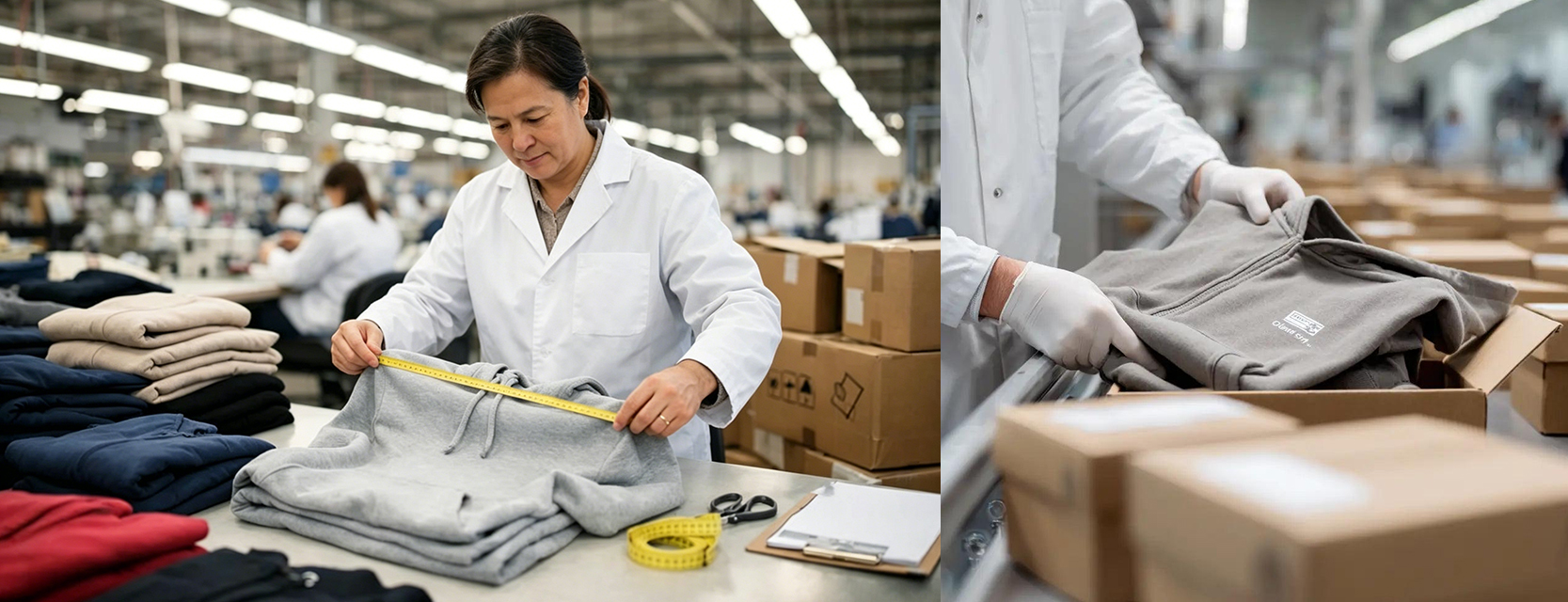
Launching a new streetwear collection involves far more than choosing a fabric or finding a manufacturer. Product specifications, fabric performance, fit consistency, sampling, and production planning all play a critical role in determining whether a collection reaches the market on time.
Many production delays are not caused by manufacturing itself, but by avoidable mistakes made before bulk production begins. Incomplete tech packs, unrealistic timelines, unsuitable fabric selections, and insufficient sample validation can lead to costly revisions, quality issues, and missed launch schedules.
This guide explains the most common manufacturing mistakes that delay streetwear product launches and how growing fashion brands can avoid them through better product development, supplier communication, and production planning.
1. Choosing a Manufacturer Based Only on Price
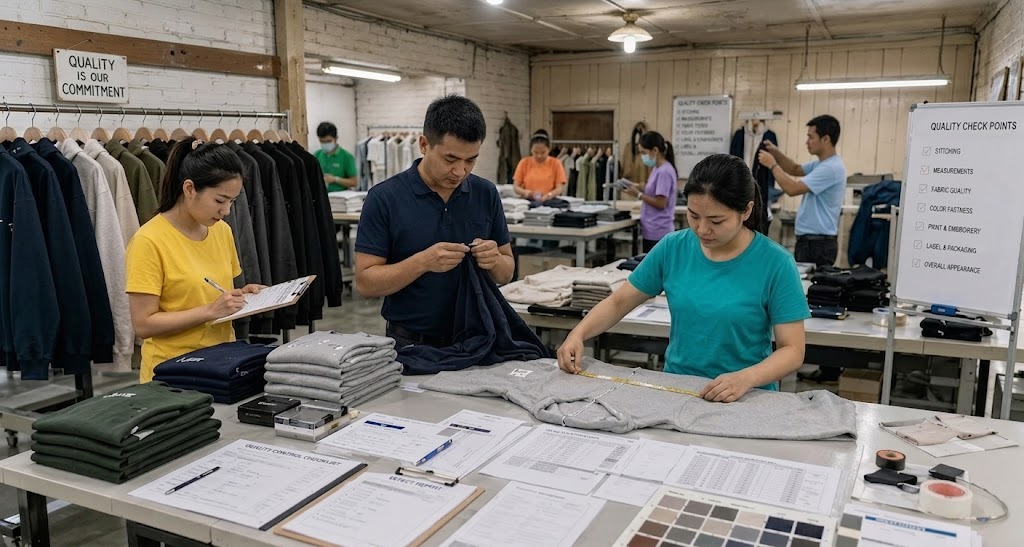
One of the biggest mistakes new brands make is selecting the cheapest supplier they can find.
A low quotation may look attractive at first, but hidden costs often appear later:
- Poor fabric quality
- Inconsistent sizing
- Delayed delivery
- High defect rates
- Expensive rework
A successful production partner should provide more than a competitive price. They should help you control quality, solve development problems, and protect your brand reputation.Hoodie manufacturer:Explore
2. Starting Production Without a Complete Tech Pack
Many startup brands send manufacturers only:
- Inspiration photos
- Pinterest screenshots
- Instagram references
Unfortunately, this is not enough information for accurate production.
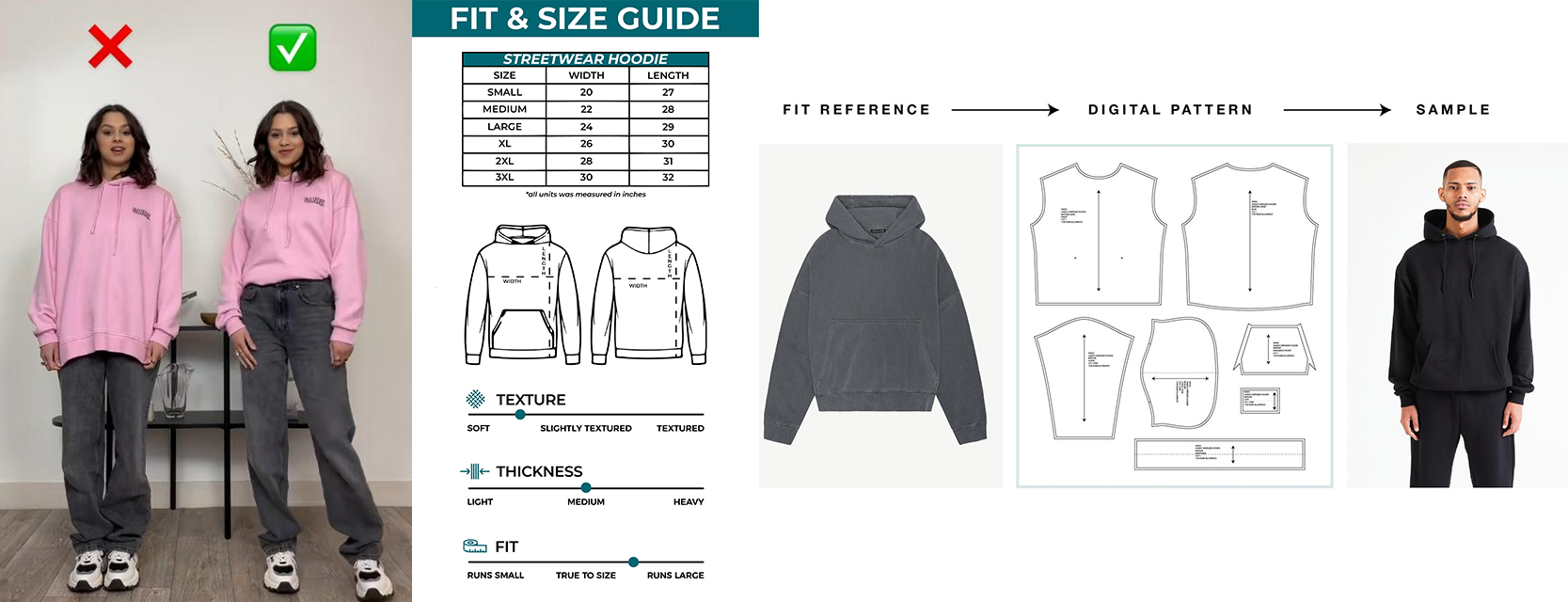
A professional tech pack should include:
- Measurements
- Construction details
- Fabric specifications
- Trim requirements
- Artwork placement
- Label instructions
Without clear technical documentation, factories are forced to make assumptions.
Assumptions often become mistakes.Hoodie measurements guide:Explore
3. Choosing the Wrong Fabric
Fabric selection has a huge impact on the final product.
Many first-time founders focus only on GSM numbers.
For example:
A 400 GSM hoodie does not automatically mean premium quality.Best GSM for streetwear hoodies:Explore
Fabric performance depends on multiple factors:
- Yarn quality
- Fiber composition
- Knitting structure
- Finishing process
- Shrinkage control
The wrong fabric can create issues such as:
- Excessive shrinkage
- Poor shape retention
- Rough hand feel
- Pilling after washing
French Terry vs Fleece:Explore
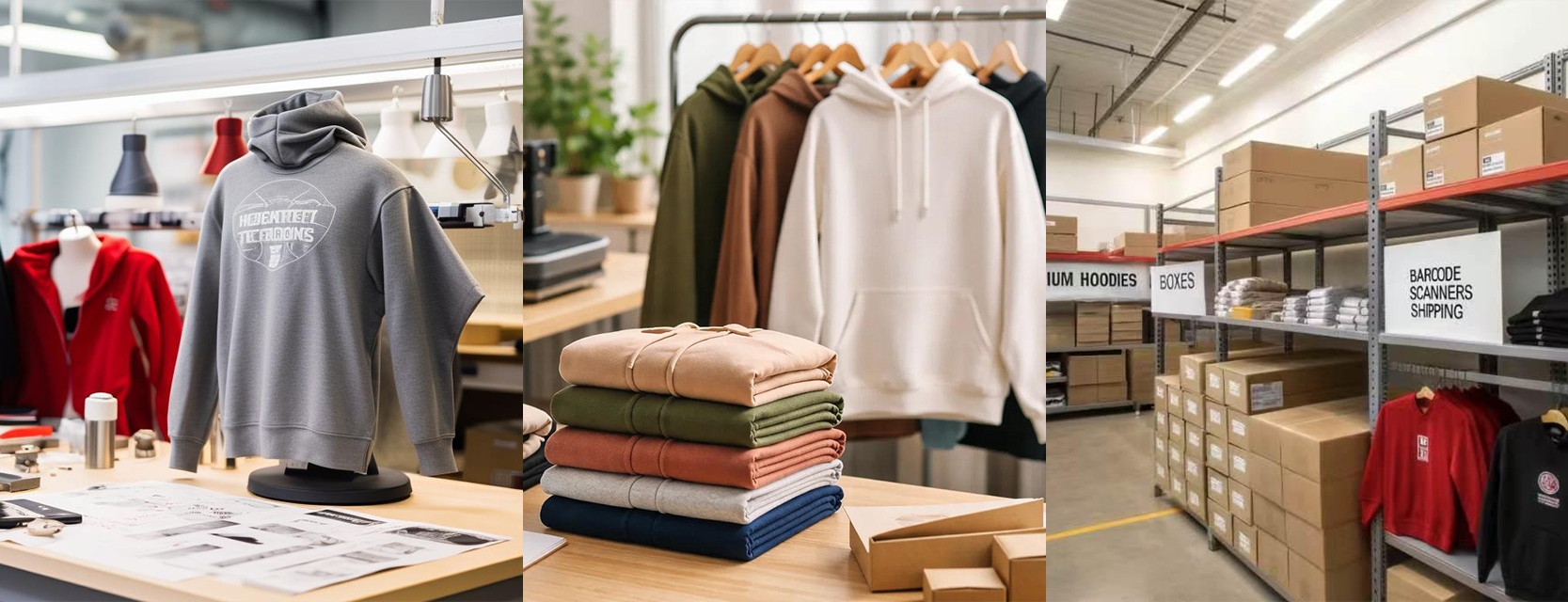
- Ignoring Shrinkage and Wash Testing
One of the most common production disasters happens after the first wash.
The hoodie looks perfect when shipped.
After washing:
- Length becomes shorter
- Sleeves shrink
- Fit changes completely
Many startups skip wash testing because they want to save time or money.
This decision often becomes much more expensive later.
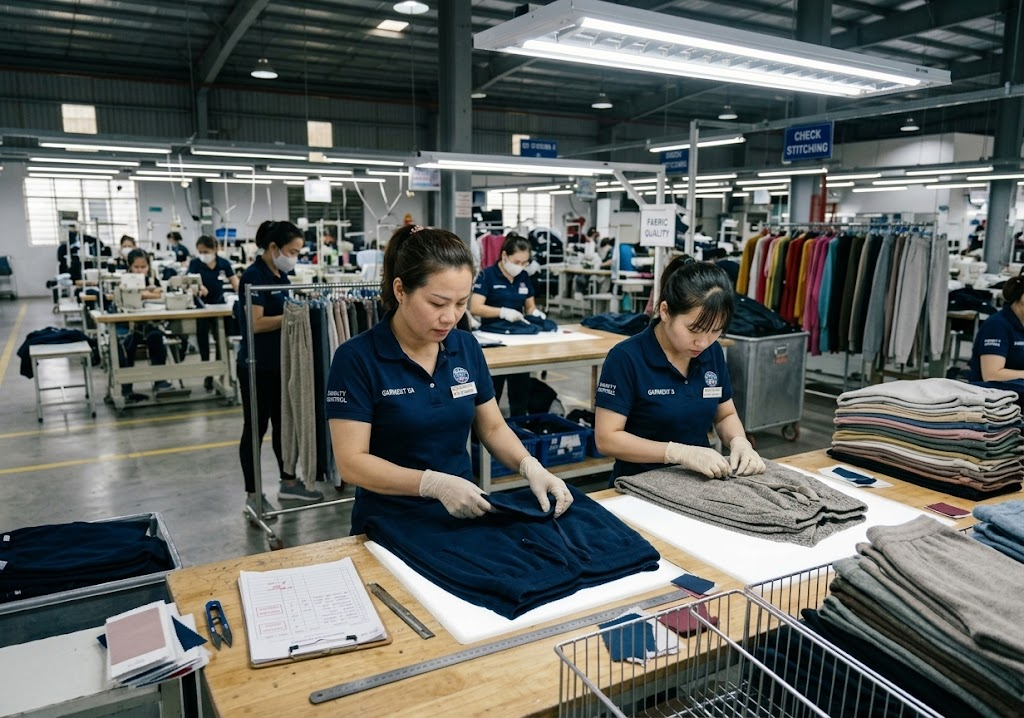
Professional manufacturers should perform:
- Fabric shrinkage testing
- Wash testing
- Measurement verification
- Production risk assessment Shrinkage control in hoodie manufacturing:Explore
5. Developing Samples Too Quickly
Many founders expect:
Week 1: Design
Week 2: Sample
Week 3: Bulk Production
Unfortunately, apparel development rarely works this way.
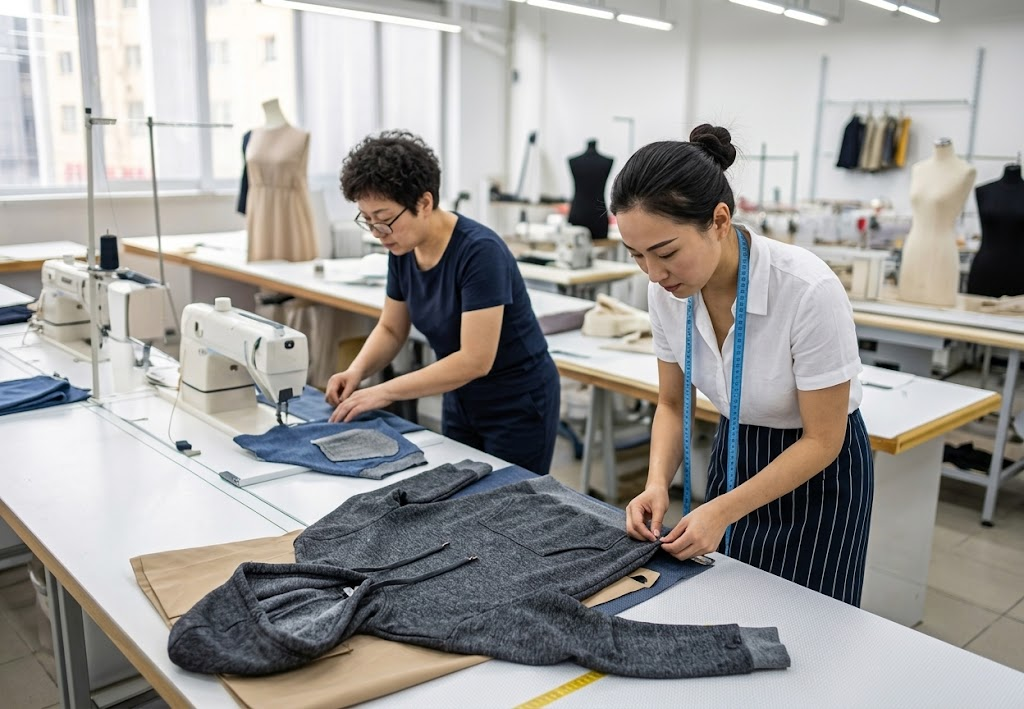
Premium streetwear products often require:
- Multiple pattern revisions
- Fabric adjustments
- Fit corrections
- Wash development
- Color approval
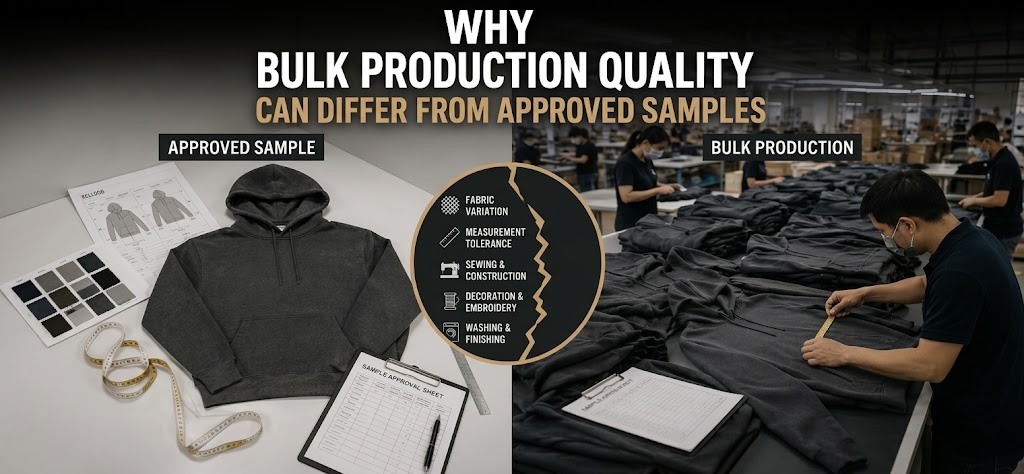
The best brands focus on getting the product right before scaling production.
6. Underestimating Garment Dye Complexity
Garment dye products have become extremely popular in modern streetwear.
However, garment dye manufacturing introduces unique challenges:
- Color consistency
- Shrinkage control
- Shade variation
- Fabric compatibility
Many startups see vintage washed hoodies online and assume they are easy to reproduce.
In reality, garment dye production requires significant technical experience.
7. Prioritizing Graphics Over Fit
Many startup brands spend hundreds of hours perfecting graphics.
Very little time is spent developing fit.
However, customers usually wear a hoodie because of:
- Comfort
- Shape
- Silhouette
- Fabric feel
Not because of the graphic alone.
Today's leading streetwear brands invest heavily in:
- Oversized fit development
- Drop shoulder construction
- Sleeve stacking
- Body proportions
Fit often determines whether a customer buys again.Oversized hoodie fit guide:Explore
8. Failing to Plan for Growth
Many startups focus only on launching.
Few think about scaling.
Questions every founder should ask:
- Can the manufacturer support larger volumes?
- Can fabric quality remain consistent?
- Can color matching be repeated?
- Can lead times remain stable?
A production partner should be capable of supporting both your first order and your future growth.
Final Thoughts
Most streetwear startups do not fail because of poor branding.
They fail because of production mistakes.
Choosing the right manufacturing partner, developing products carefully, testing fabrics properly, and investing in fit development can dramatically increase your chances of success.
Your first production run is more than a purchase order.
It is the foundation of your brand reputation.Why production fails when scaling streetwear brands,what Makes a Premium Hoodie Manufacturer Different?:Explore
At KELLOGG, we help emerging and growing streetwear brands develop heavyweight hoodies, French terry products, garment-dyed collections, and premium fleece garments with a focus on quality, consistency, and long-term growth.
Premium Oversized Hoodie Manufacturing for Minimal Streetwear Brands:Explore
Share this article