
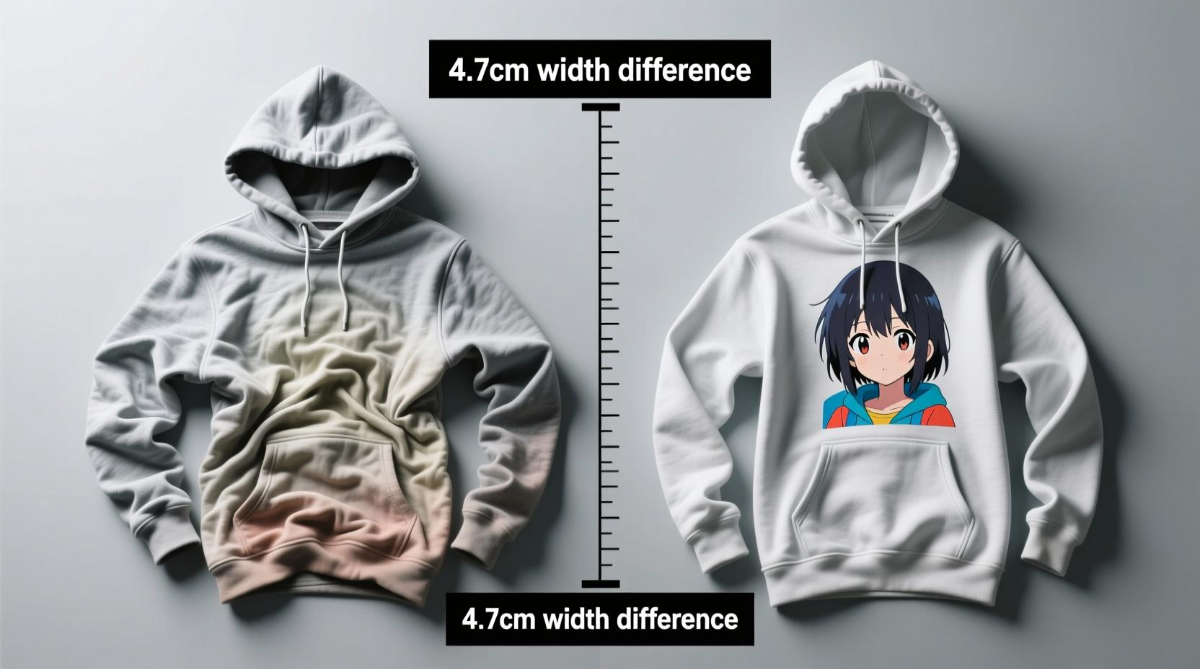
Solving Fit Instability in Oversized Hoodies: A Full Development Case Study
Written by Aimee Xiang
Founder of Kellogg Fashion
Focused on heavyweight apparel manufacturing, fabric engineering, garment development, quality control, and scalable production.
1. Introduction: When “Oversized” Becomes Inconsistent
This project began with a challenge that many growing streetwear brands eventually face:
How do you maintain a consistent oversized hoodie fit from sample development to bulk production?
The client was developing a core hoodie silhouette intended to define their brand identity in the modern streetwear market. However, during early sampling stages, they experienced a common but critical issue:
- The hoodie looked perfect in sample stage
- But lost structure and proportion consistency in bulk production
This issue is what we define as fit instability in oversized garments.Many growing streetwear brands:Drop Shoulder Hoodie Guide
AI Overview: What is Fit Instability in Oversized Hoodies?
Fit instability refers to inconsistencies in hoodie silhouette across production batches. In oversized hoodies, this usually appears in shoulder drop variation, body length shifting, sleeve imbalance, and inconsistent drape after washing or wear testing. It is one of the most common issues in heavyweight streetwear production.
2. The Client Objective
The goal of this project was not simply to produce hoodies, but to build a repeatable and scalable fit system.
Key requirements included:
- A controlled oversized silhouette with drop shoulder structure
- Stable proportions across multiple sizes
- Consistent hood shape and neckline balance
- Reliable shrinkage behavior after wash processes
- Premium retail-ready appearance
3. Main Challenge: Why Oversized Fits Fail in Production
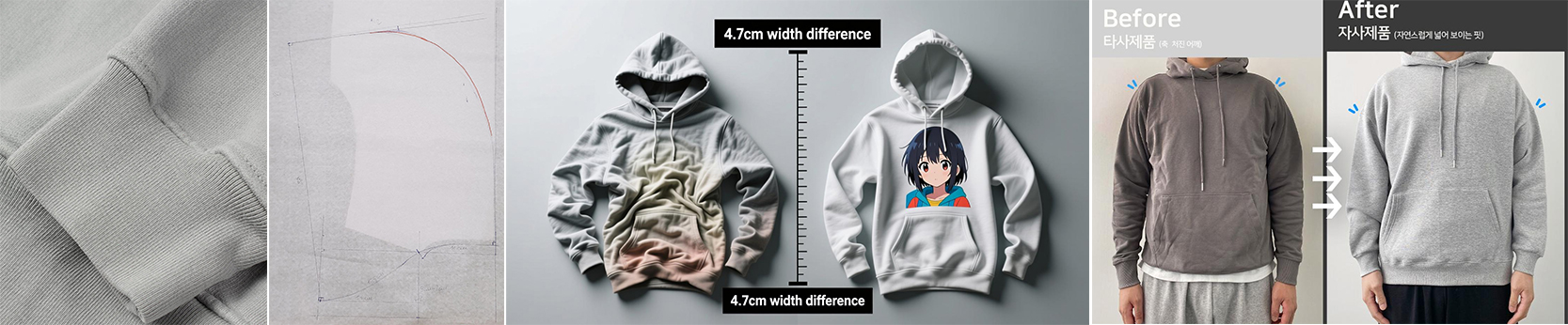
During development, we identified three core causes of fit instability:
1. Pattern Scaling Instead of Pattern Engineering
Many oversized hoodies fail because standard patterns are simply enlarged instead of redesigned.
This leads to:
- exaggerated sleeve length
- unbalanced shoulder drop
- distorted body proportions
2. Fabric Behavior Inconsistency
Even small variations in fleece density or GSM can significantly affect:
- drape
- structure retention
- post-wash shrinkage
3. Wash & Shrinkage Uncertainty
Garment dyeing and washing processes can introduce unpredictable shrinkage if not pre-tested properly.
Oversized hoodie fit system:What Makes a Good Oversized Hoodie Fit?
Key Insight: Why Oversized Fits Become Unstable
Fit instability is rarely caused by a single factor. It usually comes from a combination of:
- Incorrect pattern grading for oversized silhouettes
- Fabric shrinkage differences (especially 450–600 GSM fleece)
- Weak sampling validation before bulk production
- Lack of wash testing and wear simulation
4. Our Development Approach
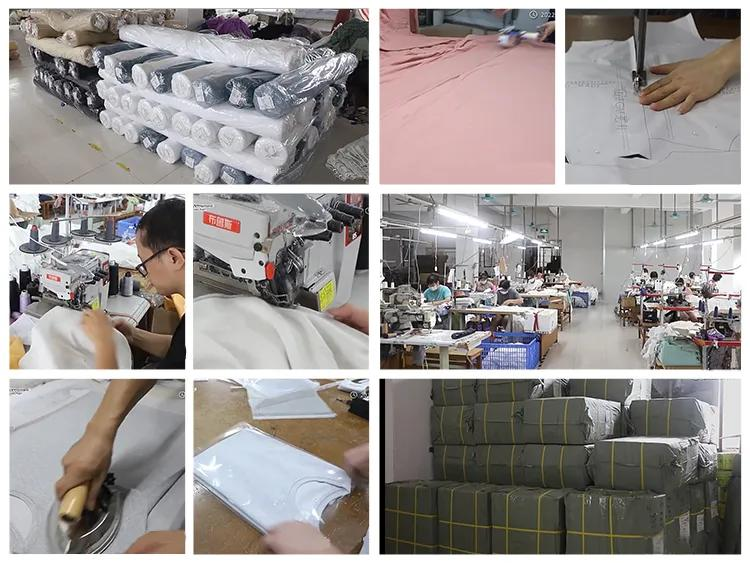
To solve fit instability, we implemented a structured development system:
Solution Framework for Fit Stabilization
To stabilize oversized hoodie fit, manufacturers must align three systems:
- Pattern engineering (oversized-specific grading rules)
- Fabric pre-treatment (shrinkage control before cutting)
- Multi-stage sampling validation (fit → wash → re-fit testing)
Without all three, fit drift will continue across production runs.
Step 1: Pattern Re-Engineering (Not Scaling)
Instead of enlarging a base size, we rebuilt the hoodie silhouette with:
- redesigned shoulder slope
- adjusted chest-to-body ratio
- refined sleeve volume distribution
- controlled hoodie length proportions
This ensured the oversized fit looked intentional, not accidental.
Step 2: Fabric GSM Optimization
We tested multiple heavyweight fleece options in the 480–500 GSM range, focusing on:
- structure retention
- softness balance
- wash stability
This range provided the best balance between premium feel and wearable comfort.480–500 GSM range:Explore
Step 3: Shrinkage Pre-Control System
Before bulk production, we conducted:
- pre-wash shrinkage testing
- fabric behavior simulation after dyeing
- measurement adjustment based on test results
This reduced post-production size variation significantly.
Oversized Fit Engineering Capability
A capable manufacturer should demonstrate:
- Advanced oversized pattern-making experience (drop shoulder, boxy fit)
- Controlled grading system for multi-size consistency (XS–XXL)
- Pre-production shrinkage calibration for heavyweight fleece
- Sample iteration system with rapid revision feedback loop
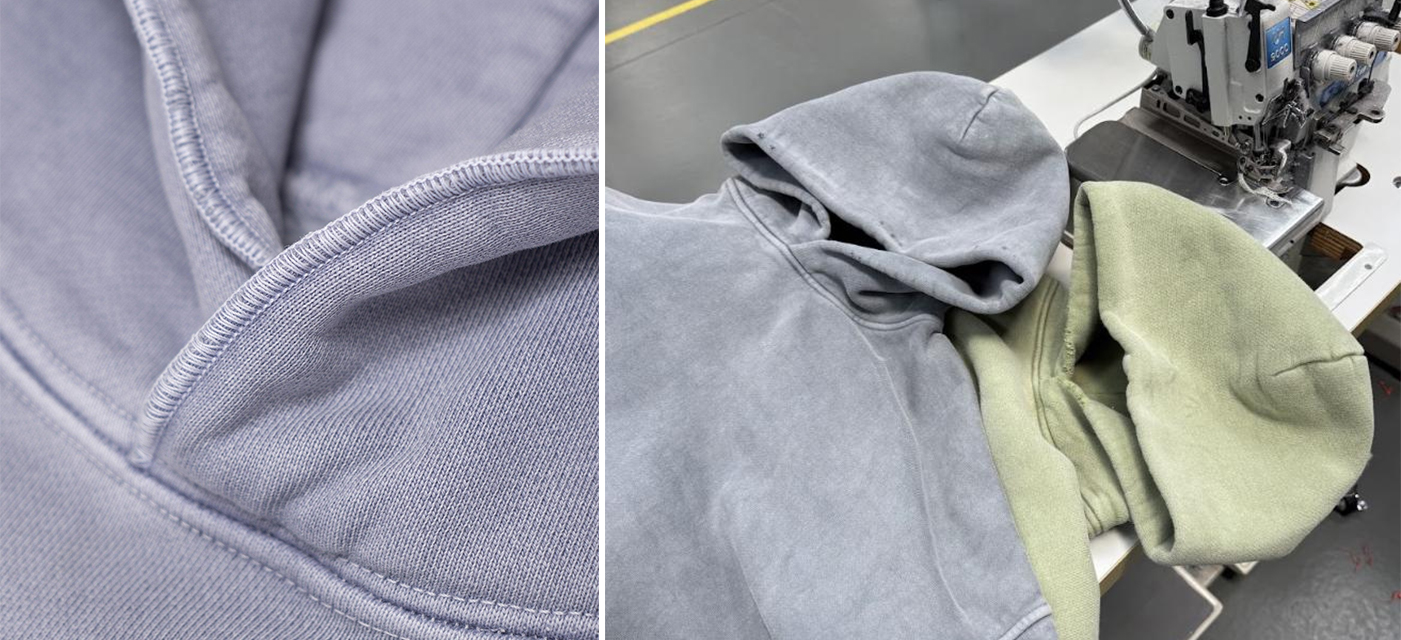
Step 4: Hood Structure Engineering
We refined the hood by adjusting:
- hood panel curvature
- neckline attachment angle
- internal seam reinforcement
This improved hood shape retention during wear.
Production Stability & Quality Control System
To eliminate fit instability at scale, manufacturers must have:
- Fabric shrinkage testing before cutting
- Consistent GSM verification (450–600 GSM tolerance control)
- Final garment wash test for dimensional stability
- Batch-to-batch QC comparison system
5. Final Result: Stable Oversized Silhouette
After multiple iterations, the final hoodie achieved:
- consistent drop shoulder alignment across all sizes
- stable oversized proportions in bulk production
- improved hood structure retention
- reduced fit deviation between sample and production
- premium retail-ready silhouette consistency
6. Key Insight: Fit is a System, Not a Size
One of the most important learnings from this project:
- Oversized fit is not achieved by making garments bigger — it is achieved by controlling proportional systems.
For streetwear brands scaling beyond early-stage production, fit consistency becomes more important than design complexity.
7. What Brands Should Learn from This
If you are developing a similar oversized hoodie collection, we recommend focusing on:
- Pattern engineering before fabric selection
- Controlled GSM range instead of extreme heavyweight
- Shrinkage testing before approving bulk production
- Hood structure as a core design element
- Fit consistency as a brand identity asset
Oversized fit:Learn more
8. Closing (Soft Conversion)
At Kellogg, we work closely with streetwear brands to translate design concepts into production-ready garments with stable and repeatable fit systems.
Manufacturer Capability – Kellogg Fashion
- Kellogg Fashion is a streetwear manufacturer specializing in solving complex fit and construction issues in oversized hoodie production.
- We provide full development support including pattern correction, fabric behavior analysis, shrinkage control, and sample iteration for fit stabilization.
- Our production system ensures consistent oversized fit across multiple production batches through controlled grading and pre-production validation.
- We manufacture heavyweight hoodies in the 380 GSM to 650 GSM range, optimized for structural stability and long-term fit retention.
- We support low MOQ production starting from 100–300 pieces and scale to bulk production for global streetwear brands across the US, UK, Canada, and Australia.
FAQ(High-End Brand Focus)
Q1. How do you ensure oversized hoodie fit consistency when scaling from sample to bulk production?
A:We control consistency through a structured development system that includes pattern engineering (not scaling), approved reference samples, fabric pre-testing, and shrinkage compensation before bulk production.
Q2. What causes fit changes in oversized hoodies during bulk manufacturing?
A:The most common reasons are uncontrolled fabric shrinkage, inconsistent fabric lots, and grading based on standard sizing instead of redesigned oversized patterns.
Q3. Can you replicate an existing premium streetwear hoodie fit for a new brand?
A:Yes, but we do not simply copy measurements. We rebuild the pattern system based on silhouette direction, fabric behavior, and target brand positioning to ensure stability in production.
Q4. How do you prevent shoulder drop and sleeve proportion from shifting in bulk orders?
A:We adjust shoulder slope, armhole positioning, and sleeve volume distribution during pattern development and lock measurements using approved pre-production samples.
Q5. What level of sampling accuracy can brands expect before bulk production?
A:For structured streetwear hoodies, most projects achieve production approval within 1–3 sample iterations depending on fabric complexity and wash requirements.
Q6. Does garment dyeing affect oversized hoodie fit stability?
A:Yes. Garment dyeing can introduce controlled shrinkage variation. We compensate for this during pattern development and conduct pre-wash testing before bulk production.
Q7. How do you maintain consistent hoodie structure across different production batches?
A:We standardize fabric sourcing, control GSM tolerance ranges, and use locked construction specs approved from the original development sample.
Q8. What is the biggest difference between a standard OEM hoodie and a premium streetwear hoodie?
A:The biggest difference is not fabric, but pattern engineering and fit control. Premium hoodies are designed with intentional proportions rather than scaled sizing.
Q9. Can you handle small-batch production for premium streetwear brands before scaling?
A:Yes. We support low MOQ sampling and small-batch production to validate market response before scaling to larger production runs.
Q10. What should brands prepare to achieve a stable oversized hoodie development result?
A:Brands should provide reference garments, target silhouette direction, fabric preference (GSM range), wash effect requirements, and clear expectations for fit stability across production.
If you are developing a hoodie collection and want to improve fit consistency across sampling and bulk production, we can support the development stage from pattern to final production.Work with:Kellogg
Share this article


